
Pests and Diseases
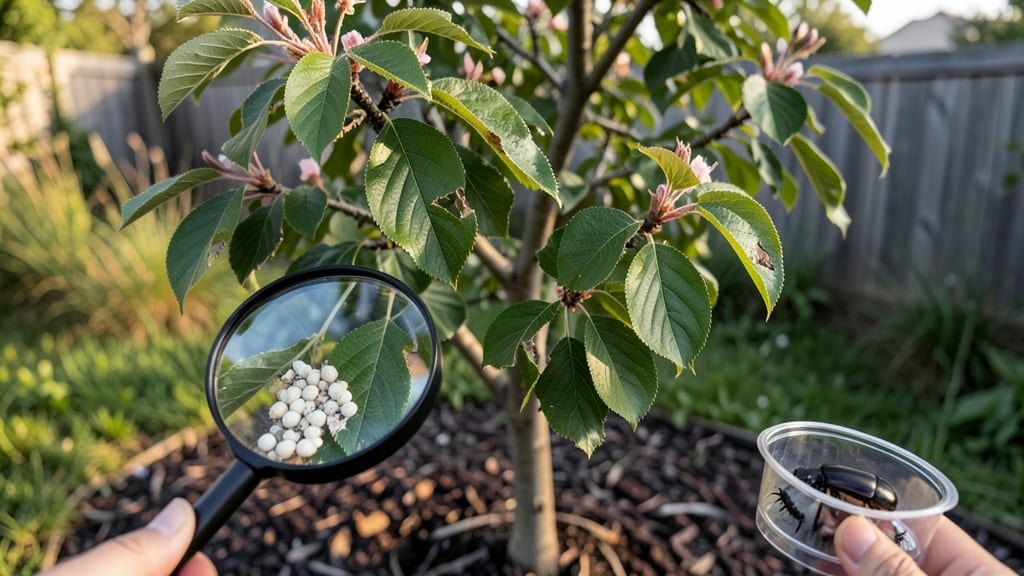
Your cherry tree’s leaves disappearing faster than a squirrel raid isn’t just frustrating—it’s a clear sign something’s munching away. 🌿 I’ve seen caterpillars skeletonize branches overnight, beetles chew jagged edges, and even deer nibble like they’re at an all-you-can-eat buffet.
The damage looks different depending on the culprit, and knowing the signs is half the battle.
Most leaf-eaters leave clues: caterpillars spin silk webbing, beetles leave behind tiny holes, and mites cause stippling or yellowing. Deer, meanwhile, leave clean-cut edges and droppings nearby.
The good news? Organic fixes like neem oil, beneficial insects, or physical barriers can turn the tide—without harsh chemicals that harm your tree (or you).
By the end of this, you’ll spot the pest in seconds and know exactly how to stop it. We’re talking fewer chewed leaves, more fruit, and a tree that thrives instead of gets stripped. The key is acting fast—before the damage spreads like gossip at a garden club meeting.
Whether you’re dealing with a backyard cherry or a neighborhood tree, these solutions work. Let’s get your tree back to lush and productive—before the next leaf disappears! The first step? Identifying who’s really behind the snack attack.
Root Causes of Leaf Loss
If your cherry tree’s leaves are disappearing faster than a summer picnic snack, the culprits are likely one (or more) of these common culprits. Understanding why this happens is the first step to reclaiming your tree’s health.
Below, we break down the science behind the damage—so you can act fast and save your harvest.
Insects are the most aggressive leaf-eaters, and cherry trees are a buffet for them. Here’s how they strike:
- Caterpillars (e.g., Tent Caterpillars, Gypsy Moths): These fuzzy or hairless larvae devour leaves from the edges inward, leaving behind a skeletonized mess. 🌿→💀 They thrive in early spring when new growth is tender.
- Japanese Beetles: These metallic-green invaders chew irregular holes in leaves and skeletonize them in days. They’re most active in late June–August and target stressed or overwatered trees.
- Aphids & Spider Mites: Tiny but mighty, these sap-suckers don’t eat leaves directly—they pierce cells, causing yellowing, curling, or stippling (tiny white dots). Heavy infestations lead to leaf drop.
- Cherry Leafminers: The larvae of these flies burrow inside leaves, creating winding tunnels that kill leaf tissue. Infested leaves turn brown and crispy.
💡 Pro Tip: Check the underside of leaves for eggs (tiny white ovals) or frass (insect poop). Early detection = easier control!
While not "eating" leaves, pathogens weaken them, making them easier targets for pests or causing premature drop. Here’s how:
- Leaf Spot Diseases (e.g., Cercospora, Anthracnose): Fungal spores splatter onto leaves during wet weather, creating dark spots with yellow halos. Infected leaves yellow, crisp, and fall off.
- Powdery Mildew: This white, flour-like fungus coats leaves, blocking sunlight and causing premature leaf drop, especially in shady or humid conditions.
- Bacterial Leaf Spot: Water-soaked brown spots with yellow edges appear, often during rainy seasons. Bacterial ooze (a gummy film) may leak from severe spots.
🌡️ Key Trigger: Overhead watering or poor air circulation amplifies fungal growth. Prune for airflow and water at the base!
Leaves aren’t just food—they’re sensors for your tree’s health. When conditions go wrong, they drop as a survival tactic:
- Drought Stress: Cherry trees need consistent moisture. Dry soil causes leaves to curl, brown, and drop to conserve water. Deep roots = deeper water needs!
- Overwatering: Soggy soil drowns roots, cutting off nutrients. Leaves turn yellow (a sign of chlorosis) and fall off.
- Extreme Heat or Cold: Sudden temperature swings (e.g., late frosts or 90°F+ heat) shock trees into abscission (premature leaf drop).
- Poor Soil Nutrition: Deficiencies in nitrogen, iron, or magnesium cause yellowing between veins (for iron) or purple stems (for phosphorus). Weak leaves = easy pest snacks.
✨ Quick Fix: Test your soil’s pH and nutrients. Cherry trees prefer slightly acidic soil (6.0–6.5) and balanced NPK (10-10-10 fertilizer).
While insects get the blame, larger critters also strip cherry trees bare:
- Deer & Rabbits: They browse leaves and twigs in late winter/early spring, leaving jagged edges (vs. smooth insect bites).
- Squirrels & Birds: They peck at buds and young leaves, especially in fruit-bearing trees (they’re after the future cherries!).
- Rodents (e.g., Mice, Voles): They gnaw on leaf stems and bark, causing leaves to wilt and drop.
🚨 Warning Sign: Look for gnaw marks (clean cuts) or droppings near the base of the tree.
Fixing Leaf Damage Fast
Now that you’ve identified the culprit behind your cherry tree’s disappearing leaves, it’s time to take action! The good news? Most of these pests and issues have straightforward, effective solutions—whether you’re dealing with hungry insects, fungal invaders, or environmental stressors.
Below, we’ve mapped out practical fixes for each common cause, along with prevention tips to keep your tree thriving long-term.
If chewed leaves, webs, or tiny critters are to blame, these steps will help you reclaim your tree.
🔥 Japanese Beetles: Drown or Deter Them Japanese beetles are relentless leaf munchers, but you can outsmart them: - Handpick them in the early morning when they’re sluggish.
Drop them into soapy water to kill them instantly. - Use neem oil spray (1 tbsp neem oil + 1 tsp mild soap per quart of water).
Spray leaves every 5–7 days until they’re gone. - Set up traps like pheromone traps, but place them far from your tree—they can attract more beetles if too close! - Pro tip: 🌿 Plant trap crops like roses or marigolds nearby to lure them away from your cherries.
🍳 Tent Caterpillars: Burn or Bag the Nests These fuzzy bands of caterpillars spin silk tents on branches. Act fast: - Prune and destroy nests in early spring before they hatch.
Burn or bag them to prevent reinfestation. - Apply Bacillus thuringiensis (Bt)—a natural bacteria that kills caterpillars but is safe for bees and birds. Reapply after rain. - Encourage natural predators like birds and parasitic wasps by keeping your yard pesticide-free.
👨🍳 Sawfly Larvae: Spray When Young Sawfly larvae look like tiny caterpillars but lack legs.
Target them early: - Spray with insecticidal soap or horticultural oil when larvae are small (they’re less resistant then). - Remove heavily infested leaves and dispose of them in sealed bags. - Prevent future outbreaks by pruning to improve airflow—sawflies love dense, damp foliage.
🥘 Aphids & Mites: Blast Them Off
Tiny but destructive, these sap-suckers weaken your tree:
- Blast them off with a strong stream of water from your hose (repeat every few days).
- Use a mix of water and dish soap (1 tsp soap per quart of water) to smother them.
- Introduce ladybugs or lacewings, their natural enemies, by purchasing them online or attracting them with companion plants like dill or fennel.
If your leaves are yellowing, spotting, or oozing, fungi or bacteria are likely the culprits.
🔪 Leaf Spot Fungus: Prune and Prevent
- Remove infected leaves and branches immediately, then sterilize pruners with rubbing alcohol.
- Apply copper fungicide (like Bordeaux mixture) or a baking soda spray (1 tbsp baking soda + 1 tsp soap per gallon of water) every 10–14 days.
- Improve drainage—fungi thrive in wet conditions.
Mulch around the base (but keep it 3–4 inches away from the trunk) and water at the base, not overhead.
🌡️ Powdery Mildew: Scrub and Spray
- Wipe leaves with a damp cloth to remove fungal growth, then trim back crowded branches for better airflow.
- Spray with a homemade remedy: Mix 1 tsp baking soda, 1 quart of water, and a few drops of dish soap.
Apply in the early morning to avoid burning leaves. - Prevent recurrence by avoiding overhead watering and spacing plants properly.
🎯 Bacterial Leaf Spot: Sterilize and Isolate
- Prune and destroy infected leaves (don’t compost them!). Sterilize tools between cuts.
- Apply copper-based fungicide to prevent spread.
Unfortunately, bacterial infections often require removing severely infected trees to save the rest of your orchard. - Prevent future outbreaks by avoiding overhead irrigation and cleaning up fallen leaves promptly.
Sometimes, the “pest” isn’t alive—it’s your tree’s reaction to poor conditions.
✨ Overwatering or Poor Drainage: Fix the Soil - Check drainage: Dig a small hole near the tree.
If water pools after 30 minutes, amend the soil with compost or sand. - Water deeply but less often—cherry trees prefer 1–1.5 inches of water per week, delivered at the base. - Mulch properly: Use 2–3 inches of organic mulch (like wood chips) and keep it away from the trunk to prevent rot.
💡 Nutrient Deficiencies: Feed the Right Way
- Test your soil (kits are cheap and available at garden centers). Cherry trees need balanced NPK (10-10-10) fertilizer in early spring.
- Add micronutrients like iron or manganese if leaves are pale or stunted.
Use chelated fertilizers for better absorption. - Avoid over-fertilizing—too much nitrogen causes lush leaves but weak fruit.
🌞 Sunburn or Wind Damage: Shield Your Tree - Young trees need protection from harsh sun or wind.
Use shade cloth or a windbreak (like a fence or burlap screen) during extreme conditions. - Prune strategically to open the canopy for better airflow and light penetration. - Water deeply before heatwaves to help leaves withstand stress.
The best defense is a healthy, resilient tree. Here’s how to stay ahead: - Inspect leaves weekly during growing season.
Catch problems early! - Encourage beneficial insects like ladybugs, lacewings, and parasitic wasps by planting native flowers (e.g., alyssum, yarrow). - Rotate treatments if pests recur—don’t rely on one method forever. - Plant resistant varieties if possible (e.g., ‘Stella’ or ‘Lapins’ cherry trees are less prone to some pests).
By tackling the root cause—whether it’s ravenous insects, sneaky fungi, or environmental stress—your cherry tree can bounce back stronger. Act fast, stay consistent, and soon you’ll be enjoying healthy leaves (and maybe even a sweet harvest!) 🍒🌿
Frequently asked questions
Why are my cherry tree leaves disappearing overnight?
Rapid leaf loss usually means caterpillars like tent caterpillars or sawfly larvae are at work. These pests devour leaves from the edges inward, leaving behind skeletonized foliage. Check for silken webs or fuzzy bands on branches—these are classic signs of caterpillar activity.
What’s the difference between insect damage and deer browsing?
Insect damage typically leaves jagged, irregular holes or skeletonized leaves, while deer browsing creates clean, straight cuts along leaf edges. Look for droppings near the base of your tree—deer leave behind pellet-like feces that are unmistakable.
Can I use neem oil on my cherry tree if I have fruit?
Yes, but apply it early in the morning when bees are less active. Neem oil is safe for fruit trees when used correctly—just avoid spraying directly on flowers or open blossoms. The key is timing: apply it before fruit sets to maximize pest control without harming pollinators.
How do I know if my cherry tree has a fungal infection?
Look for dark spots with yellow halos (leaf spot) or white powdery coatings (mildew). Bacterial infections often show as water-soaked brown patches that may ooze when touched. Prune infected branches immediately and sterilize your tools with rubbing alcohol to prevent spread.
Will my cherry tree recover if most leaves are gone?
It depends on the cause! If it’s pests, your tree can regrow leaves—but severe defoliation weakens it. For environmental stress (like drought), recovery is possible with proper care. The key is acting fast: address the root cause and keep the tree well-watered while it regrows its canopy.