
Plants
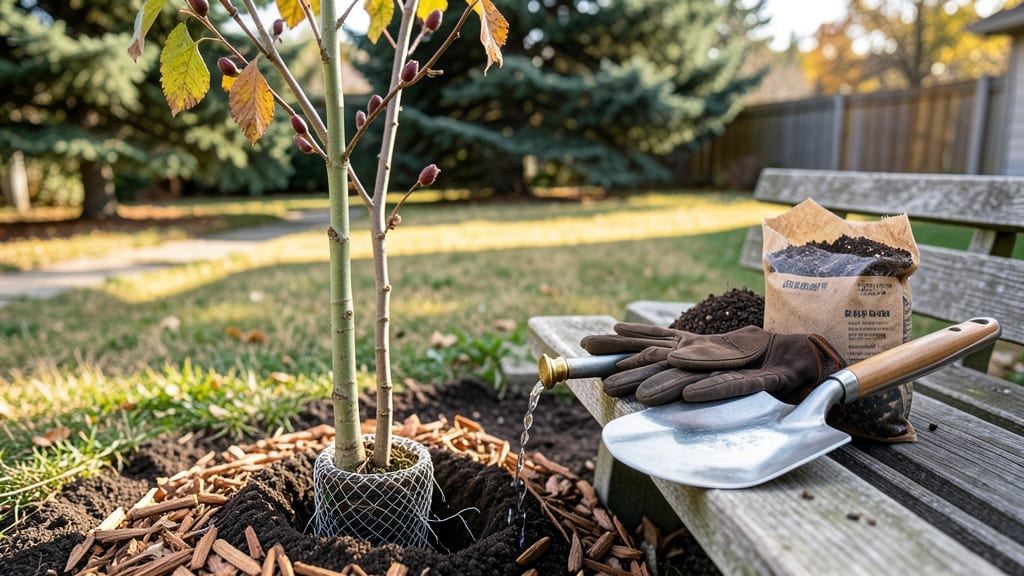
Planting a tree in Colorado at the right time can mean the difference between a thriving 🌳 and a struggling sapling fighting frost and drought.
If you’ve ever watched a newly planted tree wilt under late-spring frosts or struggle to establish roots before winter, you know timing is everything.
Colorado’s USDA zones 5-7 and dramatic elevation shifts—from Denver’s urban heat islands to the Western Slope’s high desert—make the best planting months a microclimate puzzle.
Here’s how to pick the perfect window for your region, from fall’s root-building advantage to spring’s frost-free start, plus the species that thrive in each zone.
Colorado’s optimal tree planting windows by elevation Zone
Colorado’s diverse elevations create three distinct tree-planting zones, each with unique frost-free windows and ideal species. The Front Range (5,000–8,000 ft) offers the most flexibility, while Western Slope (4,000–6,000 ft) and Mountain regions (8,000+ ft) demand precise timing to avoid frost damage.
Understanding these zones ensures your tree thrives from day one.
For the Front Range, including Denver and Boulder, the best planting window spans September through October or late March to early April. This aligns with frost-free dates of mid-April to mid-October, giving roots time to establish before winter.
Species like Colorado Blue Spruce and Quaking Aspen flourish here with minimal stress.
In the Western Slope, where cities like Grand Junction and Durango experience earlier frost-free dates (March 15–April 15), planting shifts slightly to August through November or February to March.
Drought-resistant trees like Ponderosa Pine and Gambel Oak are ideal, as they handle the region’s hotter, drier summers and colder winters.
The Mountain regions, such as the Rocky Mountain National Park area (8,000–12,000 ft), have the shortest growing season. Here, planting must occur between May and June or September to early October to avoid late frosts.
Native species like Engelmann Spruce and Subalpine Fir are hardy enough to survive the shorter frost-free period (60–90 days).
| Elevation Zone | Best Planting Months | Frost-Free Window | Top Tree Species | Key Consideration |
|---|---|---|---|---|
| Front Range (5,000–8,000 ft) | September–October Late March–Early April |
Mid-April–Mid-October | Colorado Blue Spruce Quaking Aspen American Elm |
Moderate winters; well-draining soil needed |
| Western Slope (4,000–6,000 ft) | August–November February–March |
March 15–April 15 October 15–November 15 |
Ponderosa Pine Gambel Oak Russian Olive |
Hot, dry summers; drought-tolerant species preferred |
| Mountain Regions (8,000+ ft) | May–June September–Early October |
June 1–September 15 | Engelmann Spruce Subalpine Fir Mountain Mahogany |
Short growing season; cold-hardy species essential |
Timing isn’t the only factor—soil temperature and moisture levels also play critical roles. In the Front Range, soil warms to 50°F+ by late April, signaling it’s safe to plant.
For the Western Slope, aim for soil temps above 55°F to avoid root shock. In Mountain regions, wait until soil thaws completely (usually late May) before planting.
Container-grown trees offer flexibility in timing compared to bare-root varieties. You can plant them up to 6 weeks before or after the ideal window, but avoid extreme heat or frost.
For example, a container-grown Colorado Blue Spruce can handle a late October planting in the Front Range, while a bare-root Ponderosa Pine in the Western Slope should go in by mid-March.
Native species are your best bet for long-term success in Colorado. Aspens and Pines thrive across elevations, while Cottonwoods dominate riverbanks in the Front Range. Always check the USDA Hardiness Zone (5–7 for most of Colorado) to match your tree’s tolerance.
For instance, a Zone 6 Blue Spruce won’t survive winters in Zone 4 Mountain regions.
After planting, mulch heavily (3–4 inches) to retain moisture and regulate soil temperature. In the Front Range, apply mulch in October to protect roots during winter freezes.
For the Western Slope, mulch in November to combat dry winds. In Mountain regions, mulch in late September to insulate roots before early snowfall.
Monitor your tree’s progress with seasonal check-ins. In spring, look for new growth by mid-May in the Front Range or late June in Mountain regions. If growth stalls, it may need additional water or fertilizer.
For example, a stressed Aspen in the Western Slope might benefit from a slow-release fertilizer in May.
By aligning your planting schedule with Colorado’s elevation-specific windows, you’ll give your tree the best chance to establish strong roots before winter. Whether you’re in Denver’s urban heat, the
Microclimate factors that change planting timing in Colorado
Colorado’s diverse geography means your Denver backyard might share frost dates with Grand Junction—but not the same planting window. Urban heat islands in cities like Colorado Springs can delay first frost by 2-3 weeks compared to rural areas, while wind exposure at 10,000 feet speeds up soil cooling.
These microclimates shift when you should plant deciduous trees (like cottonwoods) versus evergreens (like blue spruce).
Soil drainage is another game-changer. Clay-heavy soils in Fort Collins hold moisture longer, extending fall planting into November, while sandy soils in Pueblo dry out faster, pushing deadlines to early October.
Even within a single neighborhood, a south-facing slope might support late-spring planting of heat-tolerant species like Russian olive, while a north-facing yard requires earlier fall prep for cold-sensitive varieties.
Here’s the key takeaway: Adjust your planting schedule based on these three critical factors—urban heat, wind exposure, and soil type—to match Colorado’s variable frost-free periods.
🌳 Colorado Planting Adjustments by Microclimate
| Factor | Denver (5,280 ft) | Grand Junction (4,800 ft) | Mountain Towns (8,000+ ft) |
|---|---|---|---|
| Urban Heat Island | Plant 2 weeks later (Nov 15) | Plant 1 week earlier (Oct 1) | No adjustment (cold dominates) |
| Wind Exposure | Windbreaks needed; plant spring | Moderate wind; fall preferred | High wind; spring only |
| Soil Drainage | Amend clay; plant early fall | Fast-draining; plant late fall | Well-draining; spring |
💡 Pro Tip: Use a soil thermometer—roots need 40°F+ soil to establish.
For high-altitude gardens above 8,000 feet, like Aspen or Leadville, prioritize spring planting (April–May) to avoid late-summer frosts. In these zones, even hardy species like Engelmann spruce struggle if planted too late in fall.
Meanwhile, valley locations like Pueblo can push fall planting to mid-November for drought-tolerant varieties such as desert willow.
Don’t overlook microclimate shelters, like fences or berms, which can create warmer pockets for tender species like Japanese maple. In urban Denver, these structures might extend your planting window by 3-4 weeks compared to open fields.
Always test your soil’s drainage rate—a simple percolation test (dig a 12-inch hole, fill with water, time drainage) reveals if your site needs amendments before planting.
Finally, wind exposure dictates species choice as much as timing. Fast-growing willows thrive in sheltered microclimates, while rocky mountain juniper handles exposed ridges. Match your tree selection to local wind patterns to avoid transplant shock—even with perfect timing.