
Pruning
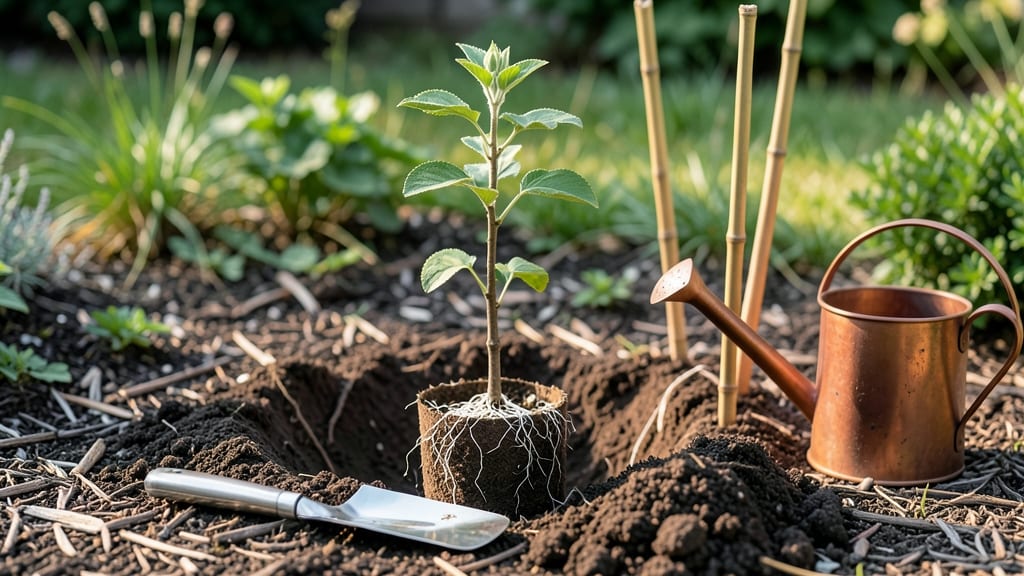
Planting an apple tree in the wrong zone means frost-killed blooms every spring. 🌱 The USDA planting zones map isn't just about temperature—it determines which varieties will thrive in your yard, from the heat-tolerant 'Anna' in Zone 9 to the cold-hardy 'Honeycrisp' in Zone 3.
My first apple tree died because I ignored the zone recommendations, but now I know exactly which varieties match my climate.
Start by checking your zone on the USDA map—most people are in Zones 4 through 8, where apple trees do best. Once you know your zone, pick varieties bred for your climate: Northern growers need 'McIntosh' or 'Cortland,' while Southern gardeners should look for 'Dorsett Golden' or 'Ein Shemer.'
The right tree means fewer winter struggles and more fruit in your future.
You'll end up with a tree that blooms just as the last frost passes, sets fruit reliably, and grows strong through summer heat or winter cold. The key is matching the tree to your zone and your microclimate—whether that's a sheltered spot or a windy hillside.
A well-chosen tree means less work and more apples by harvest season.
For those in transition zones (like Zone 5-6 borders), consider semi-dwarf varieties—they handle temperature swings better than standard trees. And always plant in early fall or late winter to give roots time to establish before the next growing season. The right zone makes all the difference.
📚 In This Guide
- What you need
- Instructions
- Tips and common mistakes
- Wrapping up and next steps
What you need
- ● Apple tree sapling: Choose a cold-hardy variety suited to your USDA Planting Zone (e.g., Honeycrisp for Zones 3-7, Fuji for Zones 5-8). Buy from a reputable nursery.
- ● Shovel or trowel: A round-point shovel (for digging) and a hand trowel (for precision).
- ● Compost or well-aged manure: 5–10 gallons to enrich the planting hole.
- ● Mulch (wood chips or straw): 2–3 inches to retain moisture and suppress weeds.
- ○ Tree stakes (optional but recommended): 2–3 stakes (2–3 feet tall) + soft ties (nylon or fabric) to support young trees.
- ● Watering can or hose with nozzle: For deep, consistent watering.
- ● Pruning shears: Bypass pruners (sharp, sterilized) for shaping.
- ● Fertilizer (balanced, slow-release): 10-10-10 or organic options like fish emulsion (follow package rates).
- ● Root stimulator: Powder or gel to encourage root growth.
- ● Tree guard or cage: Protects from critters (rabbits, deer) in early years.
- ● Soil test kit: Check pH (ideal: 6.0–7.0) before planting.
- ● Drip irrigation system: For automated watering in dry climates.
How to choose the right apple tree varieties for your planting Zone
Selecting cold-hardy apple varieties ensures strong growth and fruit production—here's how to match trees to your USDA zone.
🌱 Step 1: Determine Your USDA Planting Zone
Find your zone by checking the USDA Plant Hardiness Map online or using a zip code tool. Most gardeners fall between Zone 3 (northern climates) and Zone 8 (warmer regions). Write down your exact zone number—this dictates which apple varieties will thrive.
Here's the thing—some zones have sub-zones (like 5a vs 5b). If you're unsure, check the average minimum winter temperature for your area. For example, Zone 5a has winters dipping to -20°F, while 5b stays above -15°F. This small difference matters when choosing varieties.
☀️ Step 2: Select Cold-Hardy Varieties for Your Zone
For Zones 3-5, prioritize varieties like 'Honeycrisp', 'McIntosh', or 'Cortland'—these handle winters down to -30°F without issue. In Zones 6-7, 'Gala', 'Fuji', and 'Granny Smith' perform well, tolerating drops to -10°F. Warmer Zones 8-9 suit 'Anna', 'Dorsett Golden', or 'Ein Shemer', which prefer milder winters.
I always cross-reference with local extension service recommendations. For instance, 'Honeycrisp' does poorly in Zone 9's heat, while 'Anna' struggles in Zone 5's cold snaps. Your county's agricultural extension office often has zone-specific lists—call or visit their website for tailored suggestions.
🪴 Step 3: Consider Pollination Requirements
Most apple trees need a pollinator—another variety blooming at the same time. For example, 'Honeycrisp' pairs well with 'McIntosh' or 'Golden Delicious'. Check each variety's bloom time (early, mid, or late season) to ensure compatibility. Plant pollinators within 50 feet for effective cross-pollination.
If space is limited, choose self-pollinating varieties like 'Liberty' or 'Enterprise'. These produce fruit alone but may yield less than pollinated pairs. I've seen 'Liberty' thrive in small urban yards—just plant one tree and enjoy consistent harvests.
⏰ Step 4: Time Planting for Optimal Establishment
Plant apple trees in early spring (as soon as soil thaws) or fall (6-8 weeks before first frost). Bare-root trees establish faster than container-grown ones. For container trees, plant anytime the ground isn't frozen, but spring gives them the full growing season to root before winter.
Dig a hole twice as wide as the root ball but no deeper. Amend the native soil with compost or organic matter only if your soil is heavy clay or pure sand. Mixing in too much compost can harm root growth by creating a nutrient "hot spot." Water deeply after planting to eliminate air pockets around roots.
✂️ Step 5: Protect Young Trees in Harsh Zones
In Zones 3-5, wrap tree trunks with tree guard or burlap to prevent rodent damage. Use a 4-6 inch layer of mulch (wood chips or straw) around the base, keeping it 6 inches away from the trunk to avoid rot. This insulates roots during extreme cold.
For young trees in Zone 6 and below, consider a tree blanket or snow fence during the first two winters. I've seen unprotected saplings split apart when ice forms on branches. Prune in late winter to remove weak growth—this encourages strong structural development before the next growing season.
Tips & tricks for perfect apple tree planting by Zone
These practical insights will help you navigate the nuances of planting apple trees that thrive in your specific climate.
Zone-Specific Variety Selection: Beyond the recommended varieties, consider local microclimates. For example, in Zone 5, a 'Cortland' might struggle in a frost pocket but thrive in a south-facing slope. I always check with nearby orchards—they often know which varieties perform best in your specific area. The 5°F difference between 5a and 5b can mean the difference between a thriving tree and one that barely survives.
Pollinator Pairing Strategy: When selecting pollinators, match bloom times precisely. Early bloomers like 'McIntosh' pair well with mid-season varieties, while late bloomers like 'Golden Delicious' need compatible partners. I keep a simple chart of bloom windows for my local varieties—this prevents wasted space from incompatible pairings. Remember, pollinators need to bloom within 10-15 days of each other for effective cross-pollination.
Planting Timing Insights: The 6-8 week window before frost is critical for fall planting. I always check my local frost date calendar, which is available through agricultural extension services. For container trees, plant in early spring to give roots time to establish before summer heat stress. This timing difference makes all the difference in first-year survival rates.
Winter Protection Hacks: For Zone 3-5, I've found that wrapping tree trunks with tree guard and adding a 4-6 inch mulch layer creates a thermal blanket effect. The key is keeping mulch 6 inches from the trunk—this prevents rot while still insulating roots. I also use burlap wraps to deter rodents, which can girdle young trees in winter.
Pro Tips for Apple Tree Planting Zones
- These practical insights will help you navigate the nuances of planting apple trees that thrive in your specific climate.
- Zone-Specific Variety Selection: Beyond the recommended varieties, consider local microclimates.
- Pollinator Pairing Strategy: When selecting pollinators, match bloom times precisely.
Frequently asked questions
Got questions about planting apple trees in the right zones? You’re not alone! Here are some of the most common concerns—plus straightforward answers to help you grow thriving fruit trees.
What USDA planting zones are best for apple trees?
Apple trees thrive in USDA Zones 4–8, with most varieties doing best in Zones 5–7. Cold-hardy varieties like ‘Honeycrisp’ or ‘McIntosh’ excel in Zones 4–6, while heat-tolerant types (e.g., ‘Anna’ or ‘Dorsett Golden’) suit Zones 7–9. Always check your local microclimate—frost pockets or urban heat can shift suitability!
When is the best time to plant an apple tree?
Plant in early spring (after last frost) or fall (6–8 weeks before first frost). Spring planting gives roots time to establish before summer heat, while fall planting lets them settle before winter dormancy. Avoid planting in extreme heat or freezing temps—root shock is a real risk!
Can I grow apple trees in containers or small spaces?
Yes! Dwarf or semi-dwarf varieties (like ‘Columnar’ or ‘Spindle’) are perfect for containers or urban gardens. Use a 50+ gallon pot with drainage, well-draining soil, and full sun. Just note: container trees may need annual repotting and extra watering. Pollination can also be tricky—plant two compatible varieties if you want fruit!
Why isn’t my apple tree producing fruit?
Common culprits include:
- Lack of pollination: Most apple trees need a second variety blooming at the same time.
- Immaturity: Dwarf trees may take 3–5 years; standard trees can wait 5–7 years.
- Poor growing conditions: Check soil pH (ideal: 6.0–6.5), sunlight (6+ hours/day), and watering.
- Pests/disease: Inspect for apple maggots, fire blight, or powdery mildew.
Do I need to cross-pollinate apple trees?
Most apple trees are self-unfruitful and need a second variety within 50–100 feet for pollination. Exceptions include ‘Golden Delicious’ and ‘Granny Smith’, which can pollinate each other. Plant two compatible varieties (check labels!) or choose a self-pollinating type like ‘Liberty’ or ‘Enterprise’ for guaranteed fruit.
Wrapping up and next steps
Planting an apple tree is a rewarding journey—especially when you choose a variety that thrives in your USDA planting zone! 🌳 Whether you're in the chilly Zone 3 or the milder Zone 8, cold-hardy varieties like Honeycrisp, McIntosh, or Granny Smith can turn your backyard into a fruitful paradise.
Now that you’re armed with the right knowledge, take the next step: mark your calendar for early spring or fall planting, gather your supplies, and get ready to nurture your tree with love (and maybe a little pruning know-how!). Happy growing—your future harvest is waiting! 🍏✨