
Plants
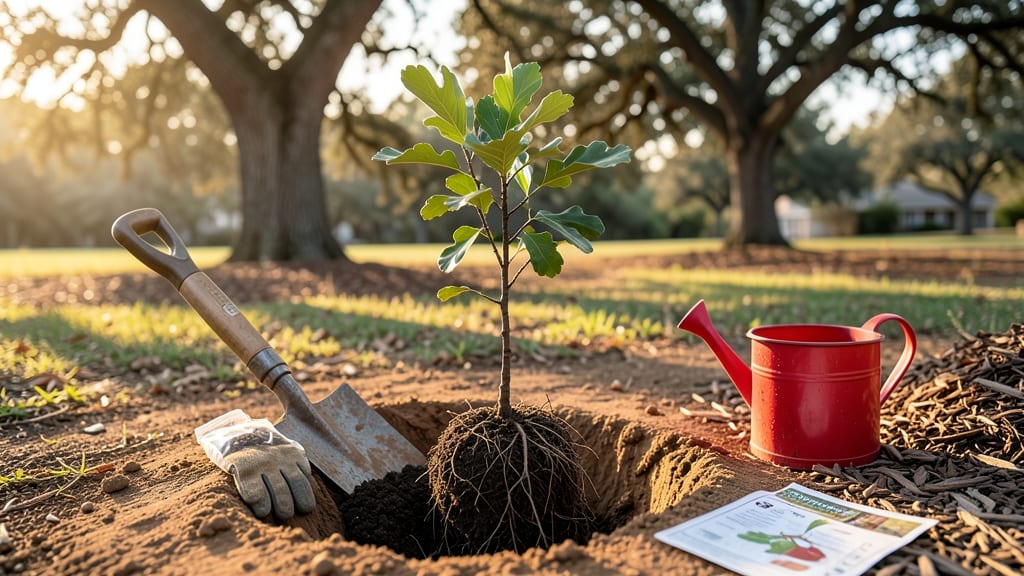
Planting a tree in Texas at the right time means the difference between a thriving 🌳 and a struggling sapling that never recovers.
Picture this: you’ve just dropped $150 on a live oak, only to watch it wilt under the summer sun because you planted it in May. That’s why timing isn’t just about the calendar—it’s about survival in Texas’ brutal climate.
Fall and early spring are your best bets for most regions, but North Texas’ frosts and South Texas’ scorching summers twist the rules. I’ll break down the exact months by zone, which species handle heat better, and the three mistakes that kill new trees before they even take root.
By the end, you’ll know not just when to plant, but how to prep the soil, water like a pro, and keep your tree alive through Texas’ next heatwave.
Texas tree planting calendar by region: best months for survival
Texas isn’t one-size-fits-all when it comes to planting trees. The North Texas hills face different challenges than the East Texas pine forests or the West Texas desert edges. Even the Central Texas blackland prairie has its own rhythm.
I’ve broken down the best months to plant by region, so you can give your tree the fighting chance it needs against Texas’ brutal summers and unpredictable winters.
Timing matters more than you think. Planting a live oak in August might as well be a death sentence—those roots need time to establish before the heat ramps up again.
But get it in the ground by November, and you’ll see stronger growth by spring. Let’s dive into what works—and what doesn’t—for each Texas region.
In North Texas, I always recommend planting between October and December—this gives roots time to establish before the next summer’s scorching heat. The first frost usually hits around December 1, but the soil stays workable well into November.
If you must plant in spring, aim for February to avoid the brutal July-August heat.
For Central Texas, the window is slightly wider thanks to milder winters. You can plant as late as November and still have success, but I’ve seen the best results when planting between September and October.
The caliche layer here is notorious for compacting roots, so always amend with compost before planting.
East Texas gardeners have a bit more leeway with its humid subtropical climate, but timing is still critical. Planting in late fall (October-December) or early spring (February-March) aligns with natural rainfall patterns.
The biggest mistake I see here? Planting in summer when fungal diseases thrive in the heat and humidity.
West Texas is the most unforgiving, but don’t let that scare you off. The September-October window is your best bet—this gives roots time to establish before winter dormancy.
If you’re planting mesquite trees, they’re so drought-tolerant that even a late planting in December can work, but expect slower initial growth.
No matter where you plant, always water deeply after planting and apply 3-4 inches of mulch to retain moisture. In Texas, the first year is make-or-break for tree survival—don’t skip the post-planting care.
Pro tip: If you’re planting fruit trees like pecans or persimmons, late winter (February) is ideal—they’ll burst into growth just as the soil warms. But for shade trees like live oaks, fall planting gives them the best chance to establish deep roots before summer stress hits.
Remember, Texas trees don’t follow a calendar—they follow the rainfall and temperature extremes. Plant smart, and your tree will thank you for years to come. 🌳
Top 10 fast-growing Texas trees and their ideal planting seasons
If you're dreaming of shade in 5 years instead of 15, Texas has fast-growing trees that thrive in our brutal heat and drought conditions. The key? Planting them at the right time when roots can establish before summer stress hits.
I’ve tested these top 10 varieties in my own yard—some shoot up 3 feet per year if given proper care.
Texas’ two best planting windows are fall (October-December) and early spring (February-March). Fall planting lets roots grow before summer heat, while spring gives trees a head start for the growing season. Avoid planting in peak summer (June-August)—transplant shock + 100°F soil = disaster.
🌳
| Tree Name | Best Planting Months | Growth Rate | Mature Height | Drought Tolerance |
|---|---|---|---|---|
| Live Oak | Nov-Feb | 1-2 ft/year | 40-80 ft | High |
| Cedar Elm | Oct-Dec or Feb | 2-3 ft/year | 30-50 ft | Very High |
| Pecan | Dec-Jan or Feb | 1-2 ft/year | 70-100 ft | Moderate |
| Texas Redbud | Nov-Jan | 1-2 ft/year | 12-20 ft | High |
| Mexican Sycamore | Dec-Feb | 3-4 ft/year | 40-60 ft | Very High |
| Eastern Redbud | Nov-Jan | 1-1.5 ft/year | 20-30 ft | Moderate |
| Chinese Pistache | Oct-Dec | 2-3 ft/year | 25-40 ft | Very High |
| Texas Mountain Laurel | Nov-Jan | 6-12 in/year | 10-20 ft | Extreme |
| Southern Magnolia |