
Plants
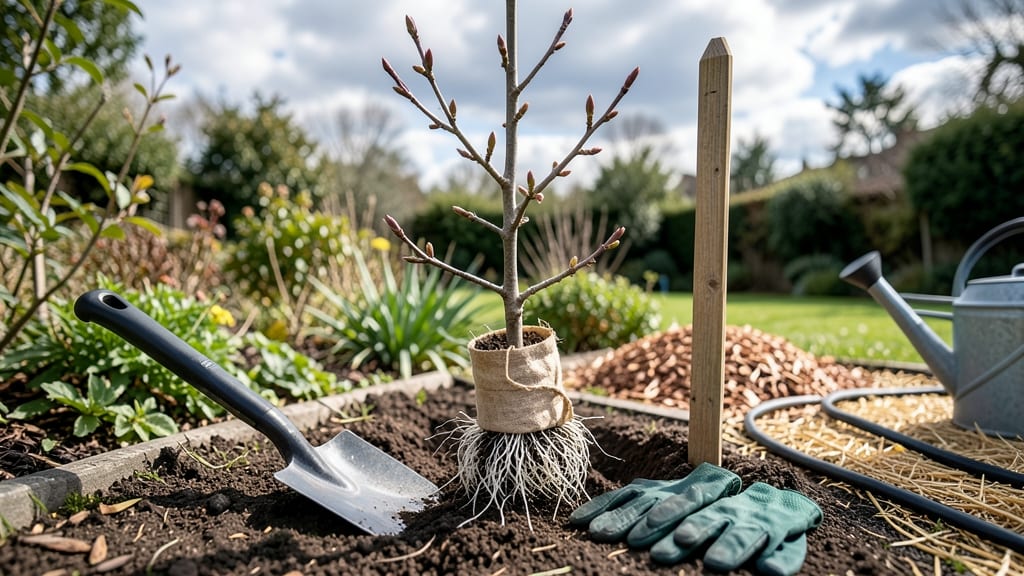
Planting a tree in the ground at the right time is the difference between a thriving 🌳 and a struggling one that never reaches its full potential.
Picture this: you’ve just dug that perfect hole, your tree is wrapped and ready, and the weather forecast looks ideal—only to realize too late that you’ve planted in the dead of summer. That’s a recipe for stress on your new tree, and in some cases, even death.
Timing isn’t just about the calendar; it’s about soil conditions, local climate, and whether your tree is bare-root or container-grown.
In USDA Zone 6a, like many northern regions, early spring or fall are your best bets—after the last frost in April or before the first frost in October. But what if you’re in a warmer zone?
Or if you’ve got a container-grown tree that needs different care? I’ll break down the best months for planting based on where you live, plus how to tell when your soil is truly ready.
By the end, you’ll know exactly when to plant, how to avoid common mistakes, and what to watch for so your tree grows strong and healthy for decades to come.
Best months to plant trees by USDA climate zone
Timing your tree planting is crucial for root establishment and long-term health. The USDA climate zones help determine the best window, as each zone has unique frost dates and seasonal patterns.
Deciduous trees and evergreens have different needs, so I'll break down the ideal months for each zone to maximize your tree's success.
In cooler zones (3-6), focus on planting during dormancy periods—either early spring (before bud break) or early fall (6-8 weeks before frost). These windows allow roots to establish without competing with foliage growth. For warmer zones (7-11), late summer or early fall planting avoids extreme heat stress.
Evergreen trees, like pines or spruces, prefer fall planting in most zones because their roots grow best in cooler temperatures. Deciduous trees, such as oaks or maples, thrive when planted in early spring to take advantage of the growing season.
Always check your local last frost date to avoid planting too early.
Here’s a quick reference for the best planting months by zone, including dormancy considerations and seasonal tips:
For container-grown trees, you can plant year-round in mild climates, but always avoid extreme heat or frost. Bare-root trees, however, must be planted during their dormant season—typically late fall or early spring—to prevent stress.
If you're unsure about your zone, check the USDA Plant Hardiness Zone Map for precise guidelines.
In Zone 5-6, for example, planting in September or early October gives roots time to establish before winter. Meanwhile, Zone 9-10 gardeners can plant in late summer to avoid the hottest months. Always adjust for local microclimates—shady spots may stay cooler longer, extending your planting window.
Pro tip: Test your soil temperature before planting. Roots struggle to grow in soil colder than 40°F (4°C) or hotter than 85°F (29°C). Use a soil thermometer to confirm ideal conditions. If your soil is too cold, wait a few weeks or mulch heavily to insulate the roots.
Evergreens, like pine or cedar, are more flexible but still benefit from fall planting in most zones. Their needles transpire moisture year-round, so keep the soil consistently moist during the first growing season.
For deciduous trees, like maple or oak, prioritize early spring planting to align with natural growth cycles.
Signs your local climate is ready for tree planting
Determining the perfect time to plant a tree isn't just about checking a calendar—it's about reading your local climate. The ideal conditions create an environment where roots can establish without stress from extreme heat, drought, or frost.
For me, the key indicators always include soil temperature, rainfall patterns, and leaf drop timing in my region. These signs tell me when nature is ready to support new growth.
One of the first things I check is the soil temperature. Trees thrive when the ground is warm enough to encourage root growth but not so hot that it dries out too quickly.
A soil thermometer is my go-to tool here—60°F (15°C) or warmer is typically the sweet spot for most tree species. If your soil is still chilly, wait a few more weeks. Cold soil can shock delicate roots and stunt early development.
🌱 5 Key Signs Your Climate Is Ready for Tree Planting
- 🌡️ Soil temperature reaches 60°F (15°C)—test with a soil thermometer 6 inches deep. Warm soil signals root-friendly conditions.
- 🌧️ Rainfall patterns show consistent moisture—aim for 1 inch of rain per week or supplement with deep watering. Drought stress weakens new roots.
- 🍂 Leaf drop timing for deciduous trees—plant 4-6 weeks after leaves fall in autumn or 2-4 weeks before buds swell in spring.
- ☀️ Daytime temperatures stabilize between 50°F (10°C) and 80°F (27°C). Avoid planting during heatwaves or frost risk periods.
- 🌱 Local nurseries stock bare-root trees—this is a universal signal that planting conditions are prime in your area.
Pro Tip: Combine these signs with your USDA hardiness zone for the most accurate timing.
Rainfall patterns are another critical factor I monitor. Trees need consistent moisture to establish their root systems, especially in their first year. If your area is experiencing drought conditions, I recommend holding off until rainfall increases or plan to water deeply 2-3 times per week after planting.
A simple rain gauge can help you track weekly totals—aim for at least 1 inch of rain per week during the growing season.
For deciduous trees, I pay close attention to leaf drop timing. This natural cycle gives me a built-in calendar. In my climate, I wait 4-6 weeks after leaves fall in autumn to plant. This delay allows the ground to cool slightly and reduces competition for water.
In spring, I plant 2-4 weeks before buds swell, giving roots time to establish before the tree focuses on foliage growth.
Evergreen trees have different cues. I look for new growth at the tips of branches as a sign that the tree is ready to adapt to a new location. This usually happens in early spring, but timing can vary by species.
For example, pine trees often respond well to fall planting because their roots grow even in cooler weather. Always check the specific needs of your tree variety.
Finally, I trust the local nurseries in my area—they’re often the best indicators of planting readiness. When bare-root trees appear in stores, it’s a clear signal that conditions are ideal. These trees are typically dug up when they’re dormant, so they’re primed for planting.
If you’re buying container-grown trees, the timing is less critical, but you’ll still want to avoid extreme heat or frost.