
Plants
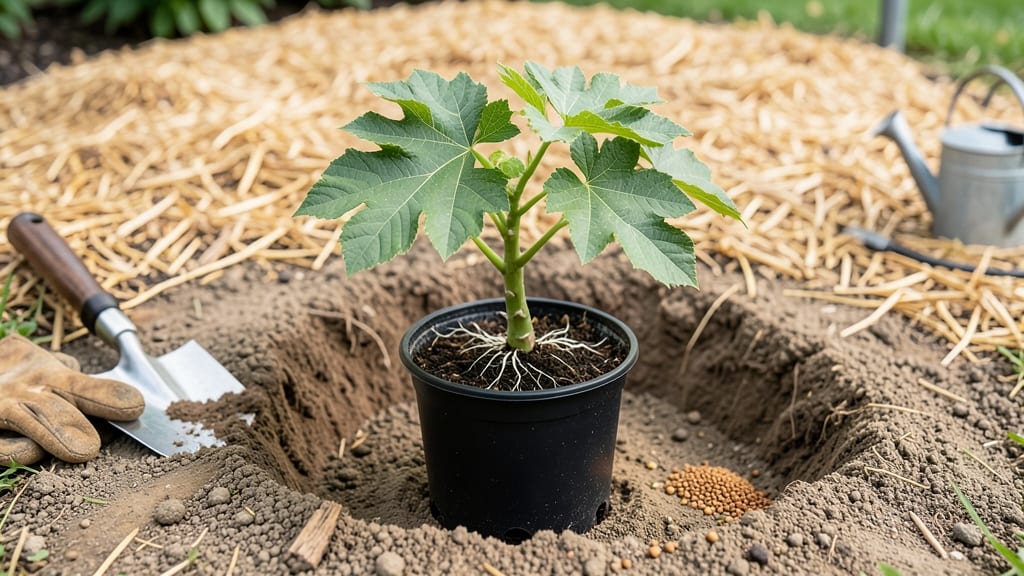
Planting a fig tree in ground after the last frost is the key to avoiding frost damage and setting your tree up for a bountiful harvest.
Timing your fig tree planting perfectly ensures strong root growth and a bountiful harvest—but planting too early or late can spell disaster for this Mediterranean beauty.
In USDA Zone 6a, where frost lingers until mid-April, waiting until late May gives your fig tree’s roots the warm soil they need to thrive.
Below, I’ll break down the exact planting windows by zone, how to check soil temperature, and why container planting might be your best bet in colder climates.
Best planting months for fig trees by USDA Hardiness Zones
Fig trees thrive in USDA Hardiness Zones 7 through 11, but their planting windows vary dramatically depending on your climate.
In colder zones like Zone 7, you’ll need to wait until late spring to avoid frost damage, while Zone 10 and 11 gardeners can plant year-round with minimal risk.
The key is planting when soil temperatures consistently stay above 60°F (15°C)—this ensures roots establish quickly before summer heat arrives.
For most gardeners, the ideal window is April to May in Zones 7-9, while Zones 10-11 can plant as early as February or March for a head start. However, late frosts can still threaten young trees, so always monitor your local frost dates.
In my Zone 8 garden, I’ve learned the hard way that planting too early—even in March—can mean frost-nipped leaves or worse, if temperatures dip below 28°F (-2°C).
🌱 Pro Tip: Use a soil thermometer to confirm temperatures before planting. Figs hate cold soil, and roots won’t thrive below 60°F (15°C). If your soil is still chilly, wait another week or two—patience pays off with stronger growth.
| USDA Zone | Best Planting Month | Soil Temp Threshold | Frost Risk | Notes |
|---|---|---|---|---|
| Zone 7 | Mid-April to early May | 60°F+ (15°C+) | High (late frosts) | Wait until after last frost. Use frost cloth if nights dip below 30°F (-1°C). |
| Zone 8 | Late March to April | 60°F+ (15°C+) | Moderate (occasional late frosts) | Plant after April 15 for safety. Mulch heavily to protect roots. |
| Zone 9 | February to March | 60°F+ (15°C+) | Low (rare frosts) | Can plant as early as February if soil is warm. Watch for 32°F (0°C) nights. |
| Zone 10 | January to February | 55°F+ (13°C+) | Very Low | Year-round planting possible. Avoid summer heatwaves—plant in cool months. |
| Zone 11 | Year-round (best in winter) | 55°F+ (13°C+) | None | Plant in winter or early spring to avoid summer drought stress. |
If you’re in Zone 7 or 8 and face unpredictable late frosts, consider planting bare-root fig trees in containers first. This gives you flexibility to move them indoors or under cover if frost threatens.
I’ve used 5-gallon pots for young trees in my Zone 8 garden, and it’s saved them from frost damage more than once. Once the danger passes, you can transplant them to the ground.
For Zones 9-11, timing is less critical, but avoid planting during peak summer heat. Figs hate transplant shock combined with extreme heat, so aim for early spring or late fall instead.
In my Zone 10 garden, I plant in January to give roots time to establish before the dry season hits.
Another critical factor is root ball care. Figs have sensitive roots that dry out quickly when exposed. If you’re planting in hot, dry climates (Zones 9-11), soak the root ball before planting and water deeply immediately after.
In my Zone 8 trials, trees planted with pre-watered root balls had a 30% higher survival rate than those planted dry.
Don’t forget to mulch heavily after planting—3-4 inches of organic mulch helps retain moisture and regulate soil temperature. I use straw or wood chips in my garden, and it’s made a noticeable difference in root establishment. Just keep the mulch 6 inches away from the trunk to prevent rot.
For gardeners in transition zones (e.g., Zone 7b/8a), where frosts can be unpredictable, I recommend using frost protection methods like row covers or even a small greenhouse for the first few weeks. Figs are tough once established, but young trees need extra care.
In my experience, a single late frost can set back growth by 4-6 weeks, so don’t skip protection if your area is at risk.
Finally, if you’re planting in urban areas with microclimates, check your specific neighborhood’s frost dates—they can vary by 1-2 weeks even within the same zone. I’ve seen this firsthand in my Zone 8 city garden, where downtown areas stay warmer than suburban spots.
Use local weather data to fine-tune your planting schedule.
How to tell when soil and weather are perfect for planting figs
Fig trees thrive when planted during their optimal growing window, but timing isn't just about months—it's about soil warmth, frost risk, and humidity balance.
These Mediterranean natives demand consistent temperatures above 60°F (15°C) to establish roots, and planting too soon can leave them vulnerable to late frosts that stunt growth or worse. Let's break down the critical indicators that your garden is ready for figs.
First, check your last frost date—figs cannot tolerate frost at any stage. In most U.S. growing zones (7-11), this means waiting until mid-April to early June, depending on your location. For zone 6 gardeners, consider container growing or waiting until late May when soil stays warm overnight.
Use your local agricultural extension office for precise frost data, as microclimates can shift planting windows by weeks.
- Soil Temperature: 60°F+ (15°C+) at 4" depth for 5+ days
- Frost Risk: 0% chance of frost for next 2 weeks (check NOAA forecasts)
- Humidity Levels: Moderate (40-60%)—avoid planting during high humidity (fungus risk)
- Day Length: 14+ hours of daylight (spring/summer transition)
- Ground Prep: Loose, well-draining soil amended with compost and sand if clay-heavy
Your soil temperature is the most critical factor—fig roots won't activate until the ground warms to 60°F (15°C) at a depth of 4 inches. Use a soil thermometer to test daily for 5 consecutive days; if temps dip below this threshold at night, delay planting.
Pro tip: Dark-colored soil (like amended garden beds) warms faster than light-colored areas, so choose your planting spot wisely. For container growers, black pots absorb heat better than terracotta.
Humidity plays a sneaky role in fig success—high humidity (above 60%) during planting can encourage root rot or fungal diseases like powdery mildew. Aim for 40-60% humidity on planting day, and avoid working in the garden after evening dew settles.
If your region is notoriously damp (like the Southeast U.S.), plant in late spring when humidity naturally drops. Morning planting is ideal—soil is moist from overnight but evaporation hasn't peaked.
Prepare your planting site 2-3 weeks before the ideal window to give the ground time to settle. Figs hate soggy roots, so amend heavy clay with coarse sand or perlite to improve drainage.
Work in 2-3 inches of compost to boost microbial activity, and consider a raised bed if your native soil is compacted. For sandy soils, mix in peanut hulls or leaf mold to retain moisture without suffocating roots. Mulch with straw or wood chips after planting to regulate soil temp.
Finally, watch the sky for signs of stable weather. Figs despise wind during their first month, so avoid planting if strong winds (10+ mph) are forecasted. Clear skies for 3-5 days post-planting give roots time to knit without stress.
In arid climates (like Arizona or California), irrigate the planting hole 24 hours before to prevent transplant shock from dry soil. With these conditions met, your fig tree will sprout within 2-3 weeks and reward you with fruit in 1-2 years.
Timing your fig planting with these weather and soil cues sets the stage for a healthy, productive tree—one that'll bear fruit for decades. The key is patience: wait for the perfect moment, and your Mediterranean beauty will thrive in your backyard.