
Plants
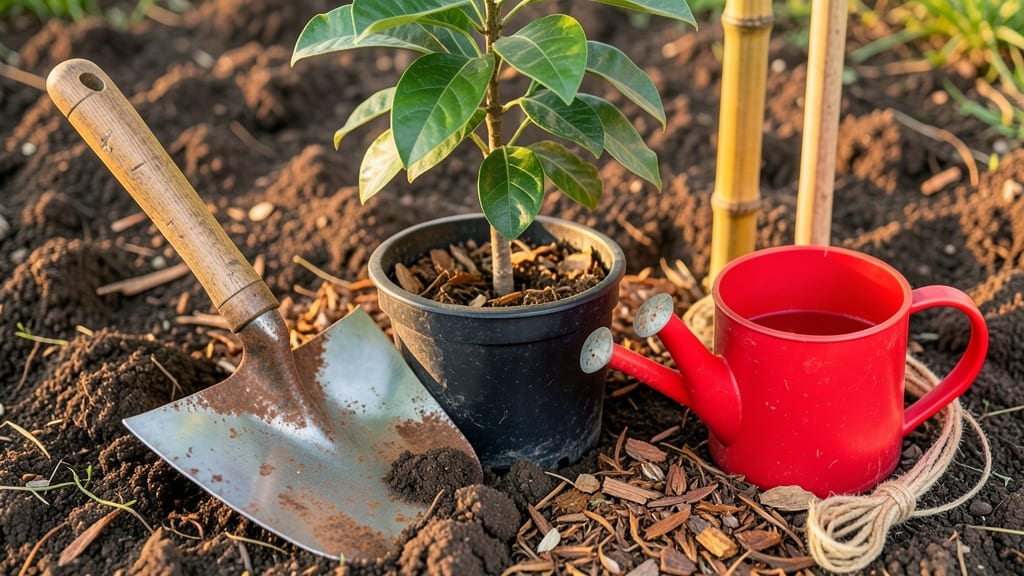
Planting a mango tree in the ground at the right time means the difference between a thriving 🥭 that bears fruit in 3-5 years and one that struggles for decades—or worse, never recovers from a late frost.
Picture this: you’ve spent months nurturing a sapling, only to watch it wilt under a surprise freeze. Or worse, you plant in the dead of summer, and the roots bake before they even take hold.
Timing isn’t just about the calendar—it’s about soil warmth, frost risk, and your local climate’s quirks.
In warmer zones like Florida or California, the window opens in early spring when nights stay above 50°F. But in cooler areas like Zone 9, you might need to wait until late spring or even summer to avoid frost damage.
The key? Plant when the soil is warm enough to encourage root growth—usually when daytime temps hit 70°F consistently.
Below, I’ll break down the exact months for your zone, how to prep soil for faster establishment, and the one mistake that kills mango trees before they even get started. Let’s get your tree off to the right start.
Best planting months by USDA climate Zones for mango trees
Mango trees (Mangifera indica) thrive in warm climates, but their planting window varies dramatically by USDA climate zone. In Zones 10-11, you can plant year-round, while Zones 7-9 require precise timing to avoid frost damage.
The key is establishing roots in soil temperatures above 65°F—any cooler, and growth stalls.
For Zones 10-11, the best time is late winter to early spring (February-March) when rains are light, but avoid monsoon season (June-September) when heavy downpours can drown young roots. In Zones 9-8, aim for April-May after the last frost date, ensuring 60+ frost-free days before winter.
In Zones 7-6, planting is riskier—only attempt it in late spring (May-June) with microclimate protection (e.g., containers moved indoors). Mango trees cannot tolerate temperatures below 32°F, so even a single frost will kill unprotected saplings.
Here’s a quick reference for your zone, including temperature thresholds and root establishment windows to maximize success:
In Zones 10-11, I recommend planting in February to give roots time to establish before summer rains. Use well-draining volcanic soil (common in Hawaii) or amended garden soil with 50% compost to mimic tropical conditions. Avoid planting in July-August—the heat and humidity can stress young trees.
For Zones 9-8, like South Florida or Southern California, focus on April planting when daytime highs hit 75°F+ consistently. Test soil moisture weekly—mango roots need 1.5–2 inches of water per week during establishment. Mulch with wood chips to retain moisture and regulate temperature.
In Zones 7-6, such as Central Texas or Georgia, container growing is your best bet. Plant in late May and move pots indoors (60°F+) when nighttime temps drop below 50°F. Use dwarf varieties like ‘Cogshall’, which tolerate cooler temps slightly better than standard types.
Pro tip: Use a soil thermometer to confirm 65°F+ soil temps before planting—this is non-negotiable for root growth. If your soil is too cold, delay planting or use black plastic mulch to warm it faster. In Zones 7-6, consider a greenhouse or cold frame for overwintering saplings.
Remember, mango trees are slow to fruit—it can take 3–5 years for a properly planted tree to bear fruit. Planting at the right time in your zone cuts that wait time by 20–30%, so don’t rush it. Patience and precision now mean juicy rewards later.
How to adjust planting time for tropical vs. subtropical growing conditions
Mango trees thrive in warm climates, but the planting window shifts dramatically between tropical (like Hawaii) and subtropical (like Florida) zones. In tropical regions, you can plant year-round, while subtropical areas require precise timing to avoid frost damage.
Understanding these differences ensures your mango tree establishes strong roots and bears fruit faster.
For Florida's subtropical climate, the best planting time is late spring to early summer (April–June) when soil temperatures exceed 65°F (18°C). Meanwhile, California's coastal regions (USDA Zones 9–10) allow planting from March to May, avoiding summer heat stress.
In contrast, Florida Keys and Hawaii offer year-round planting, but monsoon seasons can delay root establishment if not timed carefully.
Tropical vs. Subtropical Planting: Key Differences
Tropical Regions (Hawaii, Florida Keys)
- ✅ Pros: Plant anytime
- ✅ Pros: No frost risk
- ✅ Pros: Faster growth
- ❌ Cons: Monsoon delays
- ❌ Cons: Humidity risks
Subtropical Regions (Florida, California)
- ✅ Pros: Clear planting window
- ✅ Pros: Avoids summer stress
- ✅ Pros: Soil warming strategies
- ❌ Cons: Frost risk
- ❌ Cons: Slower root growth
In subtropical zones, I always test soil temperature before planting—aim for 70°F (21°C) or higher. Use row covers or greenhouse setups to protect young trees if late spring planting is unavoidable.
For tropical regions, the key is avoiding heavy rain periods (like Hawaii's summer monsoons), which can waterlog roots and stunt growth.
Another critical factor is monsoon season timing. In southern Florida, planting in June–July risks hurricane-related flooding, while Hawaii's Kona region sees peak rains in winter. I recommend planting 2–3 months before the monsoon season to give roots time to anchor before heavy rains arrive.
For cooler subtropical areas (like San Diego or coastal Georgia), I’ve had success using container planting to move trees indoors during winter. This strategy lets you plant earlier in spring and still protect the tree from light frosts.
Just ensure containers are at least 24 inches deep to accommodate root growth.
Remember, soil preparation is just as critical as timing. In sandy Florida soils, I mix in compost and coconut coir to retain moisture, while California's clay-heavy soils benefit from gypsum amendments to improve drainage. These adjustments help compensate for climate-specific challenges and set your mango tree up for success.