
Pests and Diseases
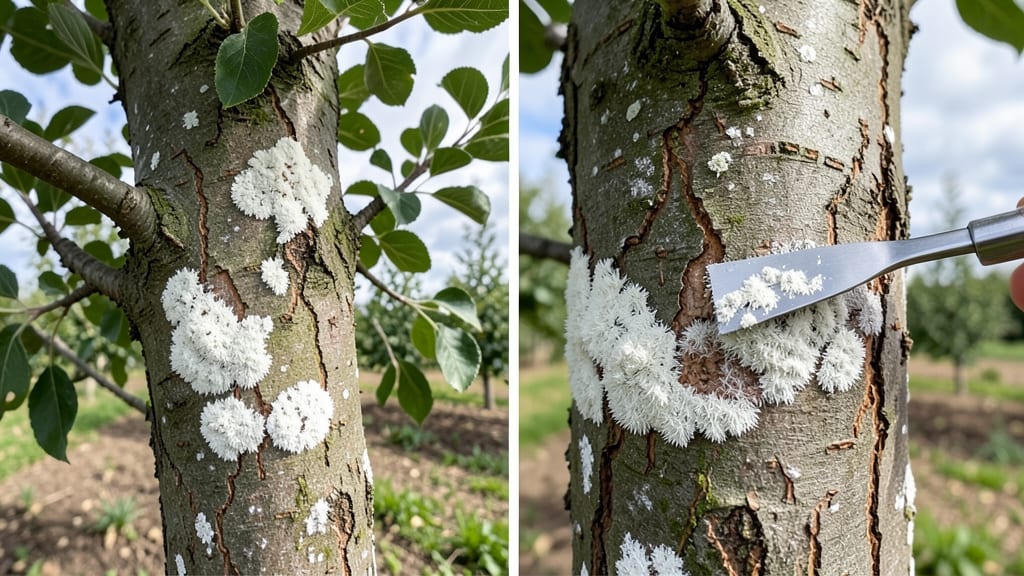
That white fungus creeping up your apple tree bark isn’t just unsightly—it’s stealing nutrients and weakening your tree’s defenses. 🌿 I’ve seen it turn healthy orchards into struggling shadows, but there’s hope: with the right ID and treatment, you can reclaim your tree’s vitality before the damage spreads.
The culprit is often powdery mildew or lichen, but distinguishing them matters—powdery mildew leaves a chalky residue that wipes off, while lichen clings like moss. Both thrive in shady, humid spots, so check your tree’s pruning habits and airflow.
My first step is always a close-up inspection with a magnifying glass (or a sharp eye) to confirm what you’re dealing with.
Once you’ve identified the fungus, the fix starts with pruning infected branches 6 inches below the growth and disposing of them in the trash—not your compost.
Follow up with a baking soda spray (1 tsp baking soda + 1 quart water + a drop of dish soap) for mildew, or a copper fungicide for stubborn cases. Repeat every 7–10 days until the white haze disappears.
Prevention is where the real magic happens: thin your tree’s canopy to improve airflow, mulch with 3–4 inches of organic material to regulate moisture, and choose disease-resistant apple varieties like ‘Liberty’ or ‘Enterprise.’ Your tree won’t just survive—it’ll thrive, producing fruit for years to come.
Root Causes of Bark Fungus Growth
White fungal growth on apple tree bark isn’t just an unsightly nuisance—it’s a sign your tree is under stress or battling invisible threats. Understanding the why behind this issue is the first step to stopping it before it spreads.
Below, we break down the most common culprits, from environmental factors to hidden pests, with clear explanations of how they create the perfect conditions for fungal outbreaks.
Fungi thrive in wet, humid conditions, and apple trees are particularly vulnerable when their bark stays damp for prolonged periods. Here’s how excess moisture fuels white fungal growth:
- Overwatering or heavy rainfall: Apple trees need consistent moisture, but soggy soil and bark create a breeding ground for fungal spores. Botryosphaeria and Nectria (common bark pathogens) latch onto wet surfaces like a sponge.
- Poor drainage: Compacted or clay-heavy soil traps water against the trunk, preventing the bark from drying out. This is especially risky in container-grown trees or young saplings planted in low-lying areas.
- Frequent overhead watering: Sprinklers that soak the trunk (instead of drip irrigation) mimic a rainstorm, keeping the bark perpetually moist. Pro tip: Aim water at the base, not the bark, to mimic natural rainfall patterns.
💡 Actionable fix: Improve soil drainage by amending with compost or sand, and water early in the day so the bark has time to dry before evening humidity sets in.
A healthy apple tree’s bark has natural defenses—waxy cuticles, beneficial microbes, and resinous compounds that repel fungi. But when these defenses falter, white fungal growth takes hold. Common triggers include:
- Nutrient deficiencies: Lack of potassium or phosphorus weakens the tree’s ability to produce protective compounds. Yellowing leaves or stunted growth? Your tree’s immune system is compromised.
- Physical damage: Cracks, sunburn, or wounds from pruning create entry points for fungal spores. Even bird peck marks or hail scars can become infection sites.
- Stress from drought or heat: While drought might seem like the opposite of excess moisture, it stresses the tree, making it more susceptible to fungal attacks once conditions turn humid.
🔥 Actionable fix: Conduct a soil test to check nutrient levels, and apply a balanced fertilizer (like 10-10-10) in early spring. Seal pruning wounds with pruning paint to prevent fungal invasion.
Some of the worst fungal outbreaks start as a pest problem in disguise. Insects and borers don’t just damage bark—they invite fungi by:
- Bark borers (e.g., Scolytus species): These beetles tunnel into the bark, creating moist, decaying tunnels where fungi like Eutypa (a white, powdery pathogen) can colonize.
- Scale insects or aphids: Their sticky honeydew residue attracts sooty mold, a black or grayish fungus that can mask (or precede) white fungal growth.
- Canker-causing bacteria (e.g., Pseudomonas syringae): These pathogens weaken the bark, making it easier for fungi to establish. Look for oozing cankers alongside white fungal patches.
👨🍳 Actionable fix: Inspect the bark for frass (sawdust-like debris) or tiny holes—signs of borers. Treat with neem oil or insecticidal soap early in the season to prevent infestations.
Fungal spores are everywhere, but they need a launchpad to infect your apple tree. Common sources include:
- Infected mulch or wood chips: Using untreated or diseased wood mulch near the trunk can introduce spores directly to the bark.
- Wind or rain from infected trees: Apple orchards or neighboring trees with fungal diseases (like Valsa canker) can spray spores onto your tree during storms.
- Contaminated tools or clothing: Pruning shears, gloves, or even your shoes can transfer spores from one tree to another.
✨ Actionable fix: Sterilize tools with 70% isopropyl alcohol between uses, and avoid mulching with wood chips from unknown sources. Keep a 3-foot clearance between mulch and the trunk.
Fungi don’t just need moisture—they need the perfect temperature to germinate. White fungal growth on apple trees peaks when:
- Temperatures hover between 60–80°F (15–27°C): This range accelerates spore growth. Cooler nights slow it down, but consistent warmth fuels outbreaks.
- Humidity stays above 70% for >48 hours: Foggy mornings or dew-heavy seasons create a fungal paradise. Pro tip: If your area is prone to high humidity, prune in dry weather to minimize open wounds.
🎯 Actionable fix: Improve air circulation around the tree with proper spacing (15–20 feet between trees) and thinning dense branches to let sunlight and wind dry the bark faster.
How to Treat and Prevent Fungal Bark Issues
Fungal growth on apple tree bark isn’t just unsightly—it can weaken your tree, reduce fruit yield, and even kill it if left unchecked. The good news? With the right approach, you can reverse the damage, restore your tree’s health, and keep future outbreaks at bay.
Below, we break down targeted solutions based on the most common causes, from quick fixes to long-term prevention strategies.
1. Prune Infected Branches Immediately
If the white fungus (likely powdery mildew, sooty mold, or lichen) is already spreading, aggressive pruning is your first line of defense. Fungal spores thrive in damp, shaded areas—removing infected branches stops the spread and improves airflow.
- 👨🍳 Step 1: Inspect the tree for discolored, cracked, or peeling bark with fuzzy white growth.
- 🔪 Step 2: Use sterilized pruning shears (wipe with rubbing alcohol or bleach solution) to cut 6–12 inches below the visible infection.
- 🗑️ Step 3: Dispose of infected branches in the trash (not compost)—fungal spores can survive in yard waste.
- ⏰ Pro Tip: Prune on a dry, sunny day to reduce stress on the tree and prevent new spores from landing on fresh cuts.
2. Clean and Disinfect the Tree
Fungal spores hide in crevices, old bark, and tools. A deep clean starves the fungus and removes its hiding spots.
- 🧹 Scrub the Bark: Use a stiff brush (or a plastic scraper) to gently remove loose bark and fungal growth.
Avoid damaging healthy tissue. - 💦 Spray with Water: Rinse off debris, then let the tree dry completely (fungus loves moisture). - 🧴 Apply Fungicide (If Needed): - For powdery mildew: Spray with neem oil (1%) + water + a drop of dish soap (reapply every 7–10 days). - For sooty mold: Clean the tree first, then spray with copper fungicide (follow label instructions). - ✨ Organic Alternative: Mix 1 tbsp baking soda + 1 tsp oil + 1 gallon water for a mild antifungal spray.
3. Improve Airflow and Light Exposure
Fungus hates sunlight and fresh air. If your apple tree is crowded, shaded, or planted too closely to structures, it’s a fungus magnet.
- 🌳 Thin Out Nearby Plants: Remove overgrown shrubs, weeds, or other trees within 6–10 feet of your apple tree.
- 🌞 Prune for Sunlight: Trim branches that block sunlight from reaching the trunk and lower limbs.
- 💨 Space Out Trees: If planting new trees, keep them at least 20 feet apart for proper airflow.
4. Adjust Watering Habits
Overwatering or poor drainage creates the perfect fungal breeding ground. Fix your watering routine to dry out the bark faster.
- 💧 Water at the Base: Aim for the roots, not the leaves or trunk (use a soaker hose or drip irrigation).
- ⏰ Water Early: Water before 10 AM so foliage dries by evening.
- 🌡️ Avoid Wet Bark: If your tree stays damp (e.g., in a low spot), raise the soil level slightly or install a French drain.
- 🔥 Pro Tip: Mulch correctly—keep mulch 3–4 inches deep but 6 inches away from the trunk to prevent moisture buildup.
5. Strengthen the Tree’s Defenses
A healthy tree fights off fungus better. Boost its natural resistance with proper care:
- 🍎 Fertilize Smartly: Use a balanced, slow-release fertilizer (10-10-10) in early spring to support growth.
- 💪 Avoid Over-Fertilizing: Too much nitrogen = soft, fungus-loving growth. Stick to moderate feeding.
- 🌱 Prune for Structure: Remove weak, crossing, or dead branches to improve overall health.
| Cause | Prevention Strategy | When to Do It |
|---|---|---|
| High Humidity | Install a tree fan or dehumidifier in the orchard. | Spring–Fall |
| Poor Air Circulation | Thin out branches and avoid overcrowding. | Late Winter (Dormant Season) |
| Old, Damaged Bark | Scrape and seal cracks with pruning paint (optional). | After Pruning |
| Sap-Sucking Pests | Treat for aphids, scale, or mites with insecticidal soap. | Early Season (Before Fungus Starts) |
| Contaminated Tools | Sterilize pruners between cuts with bleach or alcohol. | Every Pruning Session |
💡 Bonus: Natural Fungus Repellents
- 🍋 Vinegar Spray (Early Season): Mix 1 part white vinegar + 3 parts water + 1 tsp baking soda.
Spray foliage (not bark) to deter spores. - 🌿 Garlic or Chili Pepper Spray: Blend 1 crushed garlic clove + 1 tsp cayenne + 1 quart water.
Strain and spray—fungus hates the smell! - 🌿 Copper or Sulfur Sprays: Use as a preventive in early spring before fungal spores activate.
If your apple tree shows large patches of dead bark, oozing sap, or severe wilting, it may have a deeper infection (like canker disease).
In this case: - Contact a local arborist for a diagnosis and treatment plan. - Avoid DIY fixes if the fungus is spreading rapidly—some diseases require specialized fungicides.
🎯 Final Reminder: Act fast—fungus spreads within days, especially in warm, wet conditions. With proper pruning, cleaning, and prevention, your apple tree can bounce back stronger and produce healthier fruit next season!
Frequently asked questions
Is white fungus on apple tree bark always harmful?
Not all white growth is dangerous—lichen is harmless and often just a sign of moisture-loving plants. However, powdery mildew or sooty mold can weaken your tree by blocking sunlight and spreading rapidly. Always scrape a small patch: if it wipes off easily (like chalk), it’s likely mildew. If it clings like moss, it’s probably lichen or a more serious fungal issue.
Can I use household items to treat fungal growth?
For powdery mildew, mix 1 tbsp baking soda + 1 tsp dish soap + 1 gallon water and spray every 7 days until the fungus disappears. Neem oil (1%) also works well as a natural fungicide. For stubborn cases, hydrogen peroxide (3%) can be sprayed directly on infected areas, but test a small spot first.
Will pruning alone stop the fungus from spreading?
Pruning removes infected branches, but it’s only part of the solution. Always cut 6+ inches below visible fungus to prevent regrowth, and sterilize tools between cuts with rubbing alcohol. Follow up with a fungicide spray and improve airflow around the tree to break the fungus’s cycle. Without these extra steps, spores can linger and reinfect.
How do I know if my tree has a serious infection vs. just surface fungus?
Surface fungus (like powdery mildew) usually stays on the bark’s surface, while serious infections often show oozing cankers, cracked bark, or dead branches. If you see yellowing leaves, wilting, or dieback, the fungus may have spread into the tree’s vascular system. In these cases, consult an arborist—some infections require systemic fungicides or even tree removal.
Can I still harvest fruit from a tree with white fungus?
Yes, but only if the fungus is surface-level (like lichen or powdery mildew) and hasn’t affected the fruit directly. Wash apples thoroughly before eating. If the tree has canker disease or sooty mold, the fungus can contaminate fruit—inspect carefully and harvest only clean specimens. When in doubt, cook or peel the fruit to minimize risk.