
Trees
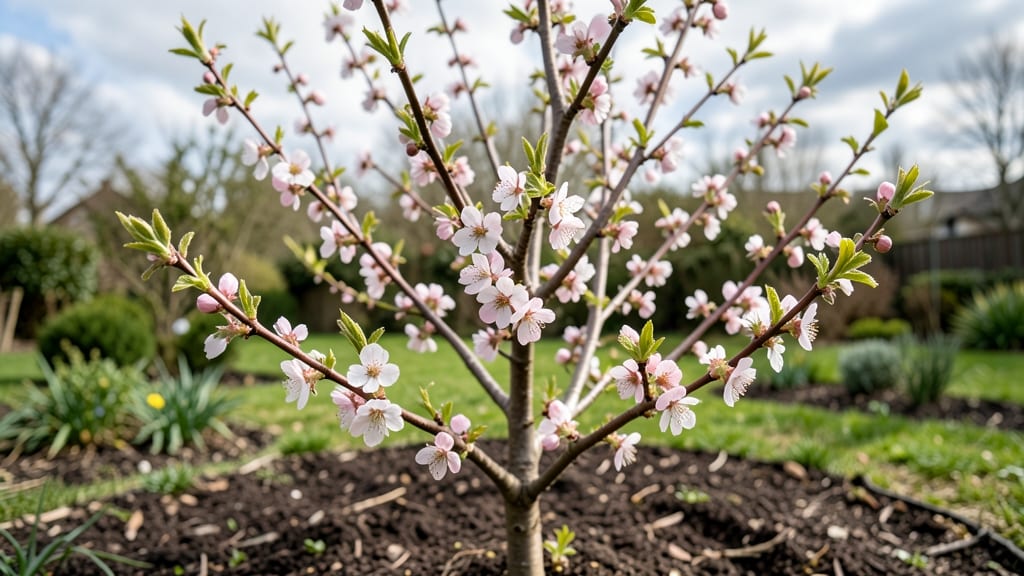
Your young apricot tree’s leaves tell a story—yellowing edges, sticky residue, or tiny webs all mean it’s time to act. 🌿 I’ve spent years watching these trees struggle with fungal spots and aphid swarms, and I’ll show you exactly how to turn those problems around with simple pruning and organic treatments.
Start by inspecting the leaves up close: curled edges signal mites, black spots mean fungal infection, and sticky leaves? Aphids are your culprit. The good news?
Pruning out damaged branches in late winter or early spring gives your tree a fresh start, while neem oil or insecticidal soap tackles pests without harsh chemicals.
You’ll see healthier, glossier leaves within weeks—no more brown patches or wilting. The key is timing: prune before buds swell, and spray treatments when pests are most active (early morning or evening). Your tree will reward you with lush foliage and sweet fruit next season.
Works for any young apricot tree, whether it’s in your backyard or a community orchard. Let’s get those leaves thriving again—naturally and effectively.
📚 In This Guide
- What you need
- Instructions
- Tips and common mistakes
- Wrapping up and next steps
What you need
- ● Pruning shears or loppers: Sharp, bypass-style shears (for clean cuts) or loppers (for thicker branches). Size: 6-8" blades for shears, 10-12" for loppers.
- ● Disposable gloves: Heavy-duty, nitrile-coated gloves (2 pairs) to protect against thorns and sap.
- ● Large buckets or mesh bags: 2-3 5-gallon buckets (for leaves) or breathable mesh bags (to prevent mold).
- ○ Pruning saw (optional but helpful): For thicker branches—folding saw with 7-8" blade for precision.
- ● Spray bottle with water: Small, 16-ounce bottle to dampen leaves if harvesting for pest control sprays.
- ● Labeling tags: Waterproof tags + marker to label buckets by harvest date/tree location.
- ● Safety glasses: Protects eyes from debris (especially when using a saw).
- ● Long sleeves/pants: Lightweight, quick-dry fabric to shield against sap and thorns.
- ● Pest control additives (if needed): Neem oil (1% solution): 16 oz bottle + sprayer for organic pest deterrents.
- ● Food-grade diatomaceous earth: 5 lb bag (sprinkle lightly on leaves for aphid control).
- ● Portable stool or step ladder: Foldable stool (12-18" height) or lightweight ladder (6-8 ft) for hard-to-reach branches.
Step-by-step guide to pruning and pest control for young apricot tree leaves
Here’s how to keep your young apricot tree healthy with the right pruning and pest management.
🌿 Step 1: Inspect and Identify Healthy Leaves
Start by examining the tree’s branches for first true leaves—these are the small, oval-shaped leaves that appear after the initial fuzzy growth. Healthy leaves should be deep green, firm, and free of spots or holes. I like to do this in early spring when new growth begins, as this is when pests like aphids and mites are most active.
Look for signs of distress: yellowing, curled edges, or sticky residue (a sign of sap-sucking insects). If you spot any damaged leaves, set them aside for disposal—they might carry pests or disease. This step ensures you’re only working with the healthiest parts of the tree.
✂️ Step 2: Prune for Airflow and Light
Use clean, sharp pruning shears to trim any crossing branches, dead wood, or leaves growing inward—these block sunlight and airflow, which weakens the tree. I cut just above a leaf node or outward-facing bud to encourage new growth in the right direction. Avoid cutting more than 25% of the tree’s foliage at once, as this can stress young apricot trees.
Focus on removing suckers (shoots growing from the base or roots) and water sprouts (fast-growing, vertical shoots). These compete with the main branches for nutrients. After pruning, wipe your shears with rubbing alcohol to prevent spreading disease between cuts.
💧 Step 3: Check for Pests and Treat Early
Run your fingers gently over the leaves to feel for tiny bumps or webs—common signs of mites or aphids. If you see sticky residue on leaves, it’s likely honeydew from sap-sucking pests. I spray a neem oil solution (1 tablespoon per quart of water) on the undersides of leaves, where pests hide. Apply in the early morning or late evening to avoid harming beneficial insects.
For scale insects, use a soft brush dipped in soapy water to scrub them off. Avoid harsh chemicals, as young apricot trees are sensitive. If pests persist, repeat treatments every 7-10 days until they’re gone. Healthy leaves bounce back faster with consistent care.
☀️ Step 4: Monitor and Maintain Post-Pruning
After pruning, water the tree at the base deeply—about 1-2 gallons—to help it recover. Mulch around the trunk with 2-3 inches of organic mulch (like wood chips) to retain moisture and suppress weeds. Keep the mulch 6 inches away from the trunk to prevent rot.
Watch the tree for new leaf growth over the next 2-3 weeks. If you notice yellowing or wilting, it could mean over-pruning or stress. Adjust care by reducing water slightly and ensuring the tree gets full sun (6+ hours daily). Young apricot trees thrive with consistent light and moderate watering.
Tips & tricks for pruning young apricot trees
These practical insights will help you maintain a thriving apricot tree while avoiding common pruning pitfalls.
Timing is Everything: Early spring is the best time to prune because the tree is just waking up from dormancy. This is when you'll spot those first true leaves—small, oval-shaped ones that signal new growth. I've learned the hard way that pruning too late in spring can stress the tree, so mark your calendar for late February to early March in most climates. This timing also helps you catch pests early before they get established.
Pruning Technique: When you're cutting back those crossing branches in Step 2, always make your cuts just above a leaf node or outward-facing bud. This encourages new growth in the right direction. I've found that using a slight upward angle on your cut helps water run off, preventing rot. And remember, never remove more than 25% of the foliage at once—this can shock your young tree and set back its growth for the season.
Pest Prevention: The neem oil solution in Step 3 is your best defense against pests, but here's what I've learned about application: focus on the undersides of leaves where pests hide. Early morning or late evening applications work best because the sun isn't as intense, and you're less likely to harm beneficial insects. I like to add a few drops of dish soap to my neem oil mix—it helps the solution stick better to the leaves and improves coverage.
Post-Pruning Care: After you've done your pruning, that deep watering (1-2 gallons at the base) is crucial for recovery. I've seen trees struggle when people forget this step. Also, when you're adding mulch, keep it 6 inches away from the trunk to prevent rot. Think of the mulch as a protective blanket that keeps moisture in while keeping weeds out—just don't smother the tree.
Pro Tips for Young Apricot Tree Leaves
- These practical insights will help you maintain a thriving apricot tree while avoiding common pruning pitfalls.
- Timing is Everything: Early spring is the best time to prune because the tree is just waking up from dormancy.
- Pruning Technique: When you're cutting back those crossing branches in Step 2, always make your cuts just above a leaf node or outward-facing bud.
Frequently asked questions
Got questions about harvesting young apricot tree leaves? You’re not alone! Here are some of the most common concerns—plus quick, actionable answers to keep your tree thriving.
When is the best time to harvest apricot leaves for pruning?
The ideal time to harvest apricot leaves is late winter or early spring, just before new growth begins (typically February–March in most climates). This ensures you remove dead or diseased foliage while avoiding stress to the tree. Avoid harvesting during peak bloom or fruit set, as leaves play a key role in energy production.
How do I protect young apricot trees from pests while pruning?
Start with clean tools (sterilize pruners with rubbing alcohol) to prevent spreading diseases. Remove infested leaves (e.g., curled or spotted foliage) and dispose of them in sealed bags. For persistent pests like aphids or spider mites, apply neem oil or insecticidal soap after pruning to avoid harming beneficial insects.
How long does it take for a young apricot tree to recover after leaf harvest?
A healthy apricot tree typically recovers within 4–6 weeks if you harvest no more than 20–30% of the foliage at once. Focus on thinning out rather than shearing—remove only dead, diseased, or overcrowded leaves. Monitor for new growth; if leaves yellow or wilt, reduce harvest intensity next time.
Can I use apricot leaves for anything other than pruning?
Young apricot leaves are edible and packed with vitamins (A, C, and E). Use them in salads, teas, or pest-repellent sprays. For a natural insect deterrent, blend leaves with water (1:10 ratio) and spray on nearby plants. Pro tip: Harvest leaves from organic trees only, as conventional sprays may leave residues.
What should I do if my apricot tree’s leaves turn brown after pruning?
Brown leaves after pruning usually signal stress or over-harvesting. Check for:
- Underwatering (apricots need 1–1.5 inches of water weekly)
- Fungal issues (remove affected leaves immediately and treat with copper fungicide)
- Nutrient deficiency (apply a balanced fertilizer in early spring)
Wrapping up and next steps
Harvesting young apricot tree leaves for pruning and pest control doesn’t have to be intimidating—it’s all about timing, technique, and a little patience! 🌿 Whether you’re trimming for healthier growth or using leaves as a natural pest deterrent, the key is to stay consistent and observant.
Now that you’re armed with the right tools, knowledge, and tips, there’s no better time to roll up your sleeves and give your apricot tree the care it deserves.
Ready to take the next step? Start by scheduling your next pruning session—mark your calendar and keep an eye on those leaves! With each harvest, you’ll not only boost your tree’s health but also enjoy the satisfaction of nurturing something beautiful. Happy gardening! 🌱