
Pruning
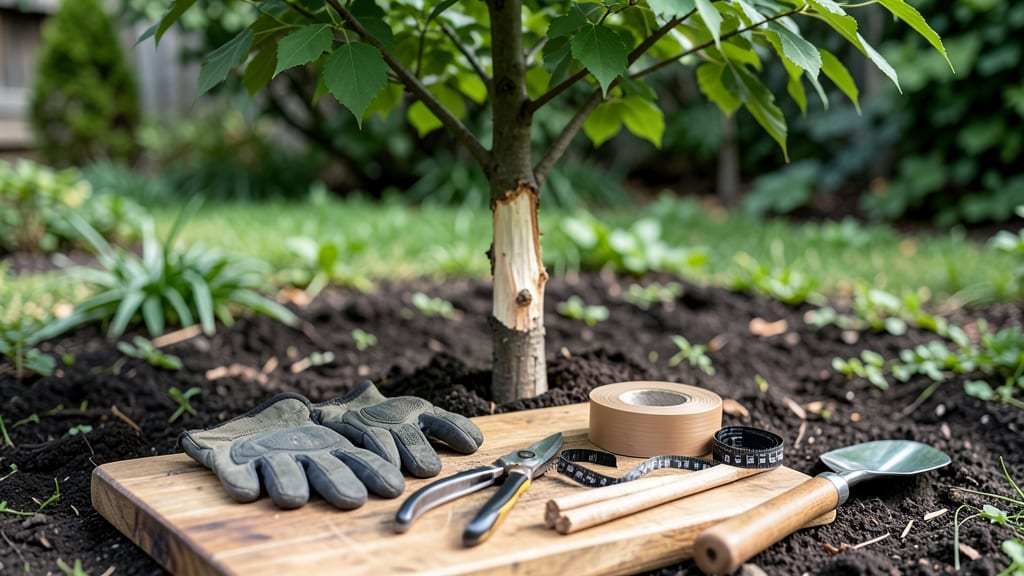
A young tree snapped in half isn’t always a death sentence—sometimes it just needs the right pruning. 🌳 I’ve nursed back more broken branches than I’d like to admit, and the key is acting fast with split-recovery techniques that let the tree heal itself.
Start by assessing the damage: if the break is clean and the trunk is still attached at the base, you can often save it.
Use clean pruners to trim any jagged edges and remove dead wood, then stabilize the trunk with a 3-point support system (stakes or branches) to prevent further stress.
The real magic happens in the pruning: make angled cuts just outside the damaged area to encourage new growth from dormant buds. With proper care—watering, mulching, and monitoring—you’ll see fresh shoots within 4-6 weeks, and the tree can fully recover in a season or two.
This method works for most young trees (apple, cherry, or even maple) as long as the root system is intact. Let’s get that tree back to growing strong!
Why it happens
A young tree that snaps in half is often a heartbreaking sight—but understanding the why behind it can help you prevent future damage. Trees don’t just "break" randomly; they succumb to a mix of environmental stress, poor growth habits, and sometimes even human interference.
Below, we break down the most common root causes of tree snapping, so you can identify risks and act before it’s too late.
🌪️ Extreme Weather Events
Mother Nature is the #1 culprit when it comes to young trees snapping. While mature trees have thick trunks and deep root systems to withstand storms, young trees are vulnerable to high winds, ice, and heavy snow. Here’s how it happens:
- Wind Stress: Even moderate winds can exert torsional force (twisting) on a young tree’s slender trunk. If the roots aren’t anchored deeply, the tree acts like a whipping reed, snapping at the weakest point—often where the trunk meets the soil.
- Ice Accumulation: A heavy ice storm adds 20–50 lbs per square foot to branches and trunks. Young trees lack the structural integrity to support this weight, causing mid-trunk breaks.
- Snow Load: Wet, heavy snow can bend branches beyond their elastic limit, leading to permanent damage or a clean snap. Evergreens are especially at risk due to their dense foliage.
Actionable Tip: If you live in a high-wind or icy region, stake young trees temporarily (but remove stakes after 1–2 years to avoid girdling from the tie). Choose wind-resistant species like oak, hickory, or serviceberry for high-risk areas.
🌱 Poor Root Development
A tree’s strength starts below ground. If roots don’t grow deep and widespread, the tree becomes a top-heavy weakling, prone to snapping in storms or even under its own weight. Common root-related causes include:
- Shallow Planting: Burying the root flare (where roots meet trunk) too deep strangles oxygen flow and prevents root expansion. This leaves the tree with a weak root plate, unable to anchor properly.
- Compacted Soil: Construction, foot traffic, or heavy machinery can compress soil, limiting root growth. Roots struggle to penetrate dense layers, creating shallow, brittle networks.
- Root Girdling: If the tree was bare-rooted or B&B (balled-and-burlapped) and planted with circling roots, they can strangle the trunk as they grow, weakening structural support.
Actionable Tip: When planting, ensure the root flare is visible above soil level. Loosen soil around the planting hole to encourage root spread, and avoid over-watering (which can suffocate roots). For high-value trees, consider soil aeration to improve drainage.
🪓 Improper Pruning Mistakes
Pruning is supposed to strengthen a tree, but bad cuts can turn a young tree into a snapping hazard. Here’s how pruning goes wrong:
- Over-Pruning: Removing more than 25% of the canopy in one session shocks the tree, reducing its ability to produce structural support tissues (like lignin and cellulose).
- Topping or Heading Back: Cutting the terminal leader (top bud) forces the tree to grow multiple weak, upright branches. These compete for dominance, creating a V-shaped crotch that’s prone to splitting.
- Poor Cut Angles: Leaving stubs or making cuts too close to the trunk invites disease and weakens the collar, reducing the tree’s stability.
Actionable Tip: Follow the 3-cut pruning method for larger branches, and never remove more than 25% of the canopy in a year. If a tree has co-dominant stems (two main trunks growing upright), prioritize thinning over topping to improve strength.
🌿 Biological Weaknesses
Some trees are simply born weak—either due to genetics or disease. Here’s what puts them at risk:
- Weak Wood Formation: Certain species (like willow, poplar, or birch) have fast-growing but weak wood. Their branches are prone to splintering under stress.
- Fungal Infections: Pathogens like Armillaria root rot or honey fungus decay roots and trunk tissue, making the tree structurally unsound. Look for conks (shelf fungi) at the base or mushrooms growing nearby.
- Pests: Insects like emerald ash borer or gypsy moth larvae hollow out bark and cambium, weakening the trunk’s integrity.
Actionable Tip: If you suspect disease, test the soil and consult an arborist. For pest issues, use targeted treatments (like systemic insecticides for borers) before the tree becomes a hazard. Choose native, resilient species for high-risk areas.
🏗️ Human-Induced Stress
From construction to DIY "help," humans accidentally sabotage tree strength every day. Common offenders:
- Soil Compaction: Heavy machinery or parking on roots crushes soil, limiting oxygen and water uptake.
- Improper Staking: Leaving stakes on for more than 2 years causes girdling from ties, restricting trunk growth.
- Vandalism or Climbing: Kids swinging from branches or tying ropes to trees creates stress points that snap under pressure.
Actionable Tip: Create a 5-foot "tree protection zone" around young trees—mark it with mulch rings to deter foot traffic. If staking is necessary, use soft ties (like rubber or fabric) and check them monthly.
Reviving a Broken Tree: Step-by-Step Fixes
A snapped young tree can feel like a heartbreaking loss—but with the right care, it often has a fighting chance. The key is acting fast, assessing the damage correctly, and applying split-recovery pruning (a specialized technique for broken branches or trunks).
Below, we break down solutions by cause and offer practical fixes to nurse your tree back to health.
If the snap is straight and clean (no jagged tears), your tree may still heal with proper pruning. Follow these steps:
🔪 Step 1: Assess the Damage
- Check if the cambium layer (the green, growth-producing layer under the bark) is intact.
If it’s exposed, healing is possible. - Look for sprouts at the break—these signal the tree’s resilience. - If the break is less than 1/3 of the trunk’s diameter, recovery is more likely.
🌿 Step 2: Prune with Precision
- Remove dead or hanging wood – Use clean, sharp pruners to trim any broken pieces that aren’t attached.
- Leave the callus tissue – The tree will naturally form a protective layer (callus) around the wound. Do not cut into it.
- Thin out competing branches – Reduce the load on the tree by removing 20-30% of the canopy to ease stress.
💡 Pro Tip:
> "Avoid sealing wounds with paint or tar—this traps moisture and invites rot. Let the tree’s natural healing process work!"
If the break happened due to strong winds, ice, or storms, the tree may need structural support while it recovers.
🛠️ Step 1: Stabilize the Break
- Use tree cabling or bracing to hold the broken sections together temporarily. Wrap the break with elastic tree tape or rubber bands (not wire—it can cut into the bark).
- For large breaks, consult an arborist to install proper support systems.
🌱 Step 2: Encourage New Growth
- Fertilize lightly with a balanced, slow-release fertilizer (10-10-10) to support recovery.
- Water deeply but infrequently—overwatering can weaken the tree further.
Aim for 1-2 inches of water per week. - Mulch around the base (2-3 inches deep) to retain moisture and protect roots.
⚠️ Warning:
> "If the tree is leaning severely or the break is near the base, it may not recover. In this case, removal may be the safest option to prevent further damage."
If the snap was caused by borers, fungal infections, or decay, the tree needs aggressive treatment to prevent further decline.
🛡️ Step 1: Treat the Underlying Issue
- For borers: Apply systemic insecticides (like imidacloprid) or use beneficial nematodes to kill larvae.
- For fungal infections: Treat with copper fungicide or baking soda spray (1 tbsp baking soda + 1 quart water + a drop of dish soap).
- For rot: Remove infected wood below the break to prevent spread.
🌿 Step 2: Boost Tree Health
- Prune out diseased branches at least 6 inches below the visible damage.
- Improve soil health with compost or mycorrhizal fungi to strengthen roots.
- Avoid heavy pruning—focus on removing only the worst-affected areas.
💡 Pro Tip:
> "If the tree is still alive but struggling, delay heavy pruning until spring—this gives it time to recover before dormancy."
The best way to avoid a snapped tree? Proactive care!
✅ 🌱 Plant the right tree – Choose flexible, strong-wooded species (like willows, dogwoods, or crape myrtles) for young trees. ✅ 🌪️ Support during storms – Stake young trees for the first 1-2 years to prevent wind damage. ✅ 🌿 Prune correctly – Thin out branches (never remove more than 25% of the canopy at once) to improve wind resistance. ✅ 💧 Water deeply in droughts – Deep watering encourages strong root systems, reducing snap risk. ✅ 🐛 Monitor for pests – Regular inspections catch borers or disease early before they weaken the tree.
Final Thought: A snapped young tree isn’t always a death sentence—with the right pruning, support, and care, many recover beautifully. Act quickly, assess the damage honestly, and give your tree the best chance to bounce back! 🌿💪
Frequently asked questions
Can a young tree with a clean break actually heal itself?
If the cambium layer (the green growth layer under bark) is intact and the break is less than 1/3 of the trunk’s diameter, your tree has a great chance to recover. Look for new sprouts forming at the break—this shows the tree’s natural healing process is already working. Just avoid sealing the wound with paint or tar, as this traps moisture and encourages rot.
How do I know if I should save the tree or remove it?
Remove it if the break is near the base, the tree is leaning severely, or you see signs of disease (like oozing sap, mushrooms at the base, or extensive rot). For uncertain cases, consult an arborist—they can assess structural integrity. If the roots are healthy and the break is high enough, pruning and support often work wonders!
What’s the best way to stabilize a broken young tree?
Use a 3-point support system: wrap the break with elastic tree tape or rubber bands (never wire), then install two stakes on opposite sides with soft ties to gently hold the trunk upright. For large breaks, an arborist can install proper cabling or bracing. Check supports monthly to ensure they’re not cutting into the bark.
Will fertilizing help a snapped tree recover faster?
Light fertilization can help, but go easy—overdoing it stresses the tree further. Use a balanced, slow-release fertilizer (10-10-10) in early spring, and pair it with deep watering (1-2 inches per week). The goal is to support recovery without overwhelming the tree’s weakened system.
How long does it take for a snapped young tree to show signs of recovery?
With proper care, you’ll often see new shoots forming within 4-6 weeks. Full structural recovery can take 1-2 seasons, depending on the tree species and severity of the break. Monitor for fresh growth, and avoid heavy pruning until spring—let the tree focus on healing first!