
Pruning
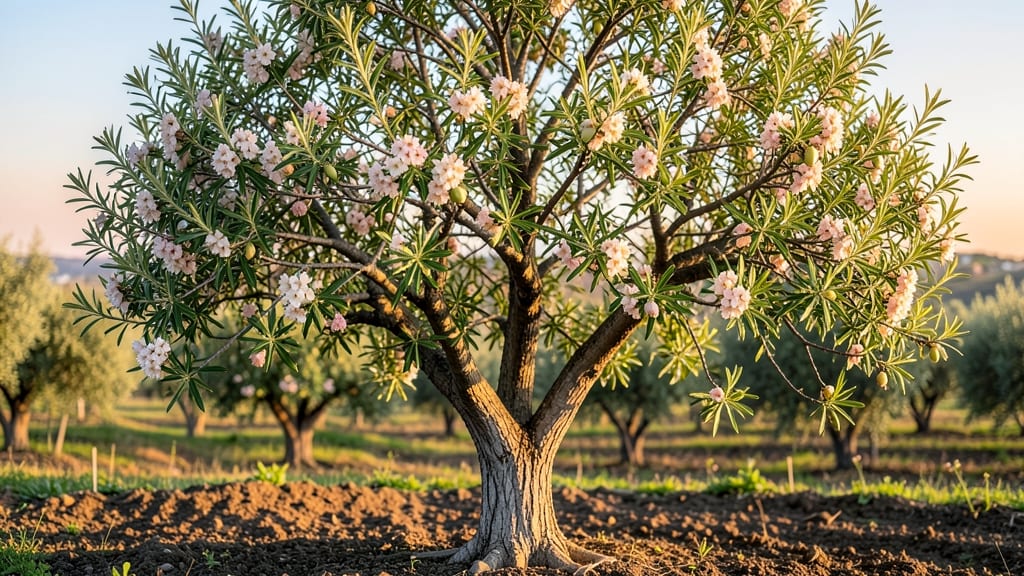
Almond trees thrive best in USDA hardiness zones 5 through 9, but their nut production depends on winter chill hours (300–1,000). Zones 6–8 offer ideal conditions, while zone 5 requires cold protection, and zone 9 may face summer heat challenges. Cold-hardy varieties like ‘Butte’ or ‘Price’ adapt more easily across broader climates.
Understanding your almond tree zone isn't just about the number—it's about how cold temperatures trigger flowering and nut development. 🌳 Trees in zone 5 might need winter wraps or mulch to survive sub-zero temps, while zone 9 growers should prioritize shade and irrigation during summer heatwaves.
The right variety can make all the difference: ‘Nonpareil’ needs more chill hours than ‘Jordan,’ so your local nursery's zone recommendations are your best guide.
For consistent harvests, focus on varieties that match your specific microclimate. Zone 6–8 growers can experiment with multiple types, while zone 5 gardeners should stick to proven cold-hardy selections. Remember, even within a zone, elevation and wind exposure can shift what works best for your specific almond orchard.
💡 In This Article
- How USDA Zones Affect Almond Tree Growth and Nut Production
- Best Almond Tree Varieties for Different USDA Zones
How USDA zones affect almond tree growth and nut production
Almond trees rely on a biological process called dormancy triggered by winter chill hours—typically 300–1,000 hours below 45°F. This cold exposure breaks dormancy, allowing buds to flower in spring.
Zone 5–7 trees need these chill hours to set fruit, while zone 8–9 varieties often require 500–800 hours for optimal production. Without sufficient chill, trees may flower poorly or not at all, leading to sparse nut yields.
The root zone plays a critical role in cold tolerance. Almond roots extend 3–5 feet deep and need insulation from freezing temps. In zone 5, where winter lows can drop to -15°F, mulching with 12–18 inches of straw or wood chips can protect roots.
Conversely, zone 9’s hot summers (95°F+) stress trees by drying soil—drip irrigation and shade cloth become essential for survival.
Variety selection directly impacts zone success. For example, ‘Nonpareil’ almonds need 600–800 chill hours, making them ideal for zones 6–8, while ‘Butte’ handles 300–500 hours, thriving in zones 5–7.
The difference lies in their genetic cold tolerance—some varieties have adapted to survive -10°F temps, while others struggle below 20°F. 🌡️
Extreme heat in zone 9 can also disrupt flowering. When daytime temps exceed 90°F during bloom, pollen viability drops, reducing fertilization. This is why zone 9 growers often choose early-blooming varieties like ‘Carmel’ that finish flowering before summer heat peaks.
Meanwhile, zone 5 trees face a different challenge: late frosts (28°F) after bloom can kill flowers before they set fruit.
Microclimates further complicate zone matching. A south-facing slope in zone 6 may experience 10°F warmer winters than a north-facing valley, allowing for more heat-sensitive varieties. Wind exposure also matters—trees in open areas lose 20–30% more heat at night, increasing cold stress.
Planting windbreaks or using frost cloths can mitigate this in marginal zones.
Soil moisture levels interact with cold tolerance too. Dry soils conduct heat poorly, making roots more vulnerable to freeze damage. In zone 5, maintaining 40–50% soil moisture during winter helps buffer temperature swings.
Conversely, zone 9 trees need consistent moisture to offset summer drought stress, which weakens their cold resistance for the next winter.
For best results, test your local chill hours using a chill hour calculator (available from university extension services) before selecting varieties. This data reveals whether your microclimate aligns with a tree’s needs—or if you’ll need to adjust planting locations or use cold protection techniques. 🌱