
Pruning
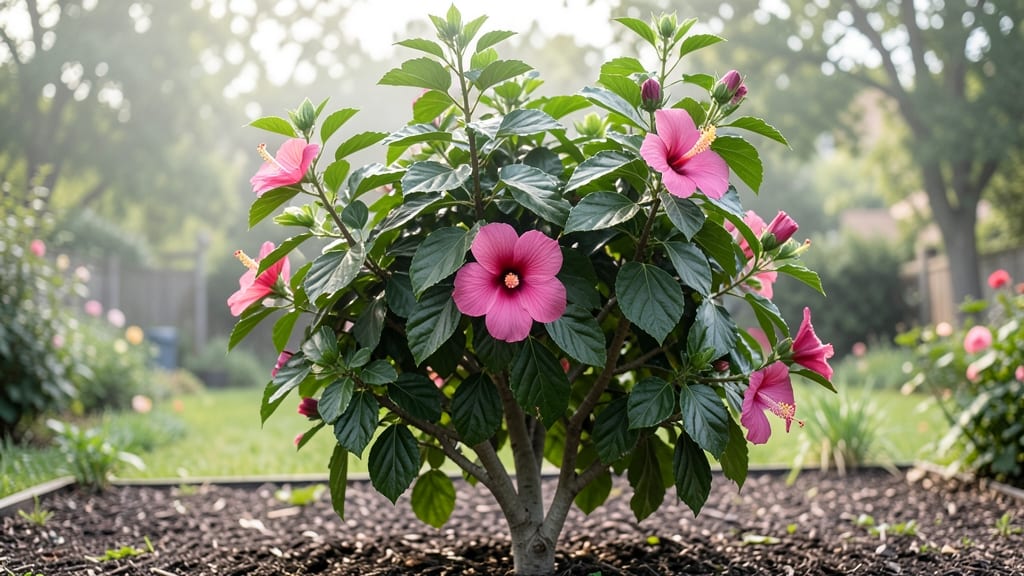
Your hibiscus tree thrives in zones 5-9, but the wrong pruning can turn those bold blooms into a sad, leggy mess. 🌸 I’ve pruned hibiscus for years—from my zone 7 backyard to a friend’s container-grown tropical hibiscus in zone 10—and the secrets to keeping them flowering like crazy start with understanding their zone.
Tropical hibiscus (like Hibiscus rosa-sinensis) need year-round warmth, while hardy hibiscus (Hibiscus syriacus) handle frost but still crave summer heat to burst into color.
The real magic happens when you match pruning to your zone. In colder zones (5-6), prune lightly in early spring to avoid frost damage, while tropical hibiscus in zones 10-11 can take heavier cuts year-round.
Microclimates matter too—my inland zone 7 hibiscus gets crisp nights, so I protect it with burlap, while coastal hibiscus in the same zone bask in milder winters. Even in less-than-ideal zones, containers let you move plants to sheltered spots or bring them indoors when temps dip.
By pruning at the right time—just after the last frost for hardy types, or after flowering for tropicals—you’ll trigger a second flush of blooms that lasts until fall. The key is patience: hibiscus grow fast, but rushing cuts leads to sparse flowers.
I’ve seen zone 5 gardeners with hibiscus that bloom like crazy by summer’s end, all because they waited until the soil warmed to 60°F before pruning. That’s when the real bloom magic begins.
Whether you’re in a frost-prone zone or a steamy coastal climate, small adjustments—like mulching for cold snaps or adding shade in hot inland summers—keep hibiscus happy. The payoff? A tree that flowers from June to October, with blooms so vibrant they stop neighbors in their tracks.
Let’s get those shears sharp and those branches trimmed right.
📚 In This Guide
- What you need
- Instructions
- Tips and common mistakes
- Wrapping up and next steps
What you need
- ● Pruning shears: Sharp, bypass-style shears (for clean cuts on smaller branches). Quantity: 1 pair.
- ● Loppers: For thicker branches (1–2 inches in diameter). Quantity: 1 pair.
- ● Pruning saw: Heavy-duty saw for stubborn, thick branches (2+ inches). Quantity: 1.
- ● Gloves: Heavy-duty gardening gloves (to protect from thorns and sap). Quantity: 1 pair.
- ● Disinfectant: 70% isopropyl alcohol or a pruning sealant (to prevent disease spread). Quantity: Small bottle.
- ● Rag or paper towels: For wiping tools between cuts.
- ● Ladder or step stool: If your hibiscus is tall (6+ feet). Safety tip: Always secure it!
- ● Hand pruners with extended handles: For high branches without a ladder.
- ● Plant tie or twine: To support branches after heavy pruning.
- ● Fertilizer (balanced, 10-10-10): Post-pruning boost for recovery. Quantity: Small bag.
- ● Notebook & pen: To sketch your tree’s shape before/after pruning.
Instructions for pruning hibiscus trees for nonstop blooms
Here’s how I keep my hibiscus trees flowering like crazy year after year—no secret fertilizers, just smart pruning.
✂️ Step 1: Prune After Major Blooming Periods
Timing matters most. I prune my hibiscus trees right after their primary bloom cycle—usually late spring or early summer for tropical varieties, and late winter for hardier types. This gives the plant time to recover before setting new buds. Look for spent blooms with dried petals as your cue; they’ll be brown and crispy to the touch.
Use sharp, clean pruners to cut back branches just above a leaf node or outward-facing bud. Never leave stubs—this prevents disease and encourages stronger regrowth. I like to shape the tree into a vase-like form, wider at the top than the bottom, to maximize sunlight exposure for future blooms.
✂️ Step 2: Thin Out Overcrowded Branches
Hibiscus trees bloom best when air circulates freely. I remove 10-20% of the oldest, thickest branches each year to prevent overcrowding. These are usually the ones growing straight up or rubbing against others. Cut them back to a healthy side branch or leaf node—never to a bare stem.
You’ll know you’ve thinned enough when you can see light and air moving through the center of the tree. This also reduces the risk of fungal issues, which love to hide in dense foliage. If a branch feels mushy when you squeeze it, it’s already compromised—prune it out immediately.
✂️ Step 3: Encourage New Growth with Strategic Cuts
To trigger more blooms, I make light pruning cuts on the outer third of the tree during late summer. This stimulates fresh growth at the tips, which will develop into flower buds by next season. Avoid heavy pruning now—you’ll shock the plant and delay blooming.
Watch for new shoots emerging within 4-6 weeks after pruning. These are your future bloomers! If you notice any leggy growth (long, bare stems with few leaves), trim those back by one-third to encourage bushier, more compact growth. This keeps the tree balanced and full.
⏰ Step 4: Light Winter Pruning for Hardier Varieties
If you’re growing a cold-hardy hibiscus (like Hibiscus syriacus), I do a light pruning in late winter before new growth starts. Remove any dead, damaged, or crossing branches first. Then, shape the tree by cutting back selective branches to a strong outward-facing bud—never more than one-third of the tree’s total volume at once.
This is also the time to clean up any leaf litter or debris around the base—hibiscus roots appreciate good airflow. If your tree is in a pot, I trim back the roots by 10-15% when repotting to encourage fresh root growth. You’ll see new leaves unfurling within 2-3 weeks of this pruning.
☀️ Step 5: Post-Pruning Care for Maximum Blooms
After pruning, I give my hibiscus trees a balanced fertilizer (10-10-10) to support new growth. Water deeply once a week until the soil is 6 inches deep and evenly moist. Avoid wetting the leaves—this can lead to fungal issues. If your tree is in full sun, you might need to water every 3-4 days in hot weather.
Keep an eye out for new flower buds forming in the leaf axils (the spot where a leaf meets the stem). These will look like tiny green bumps. Once they appear, reduce fertilizer slightly to encourage blooming over leafy growth. With consistent care, your hibiscus will reward you with nonstop blooms for months.
Tips & tricks for perfect hibiscus tree pruning
Smart pruning transforms your hibiscus from occasional bloomer to year-round showstopper. Here’s how to make every cut count.
Timing is Everything: The 4-6 week window after pruning is critical—this is when new shoots form into flower buds. I mark my calendar for late summer cuts because that’s when tropical varieties respond best. For hardier types, late winter pruning triggers spring blooms. Watch for those crispy brown petals as your cue to prune after major bloom cycles, not during.
Tool Prep Prevents Problems: Sharp, clean pruners are non-negotiable. I sterilize mine with rubbing alcohol between cuts to prevent spreading disease. Dull blades tear stems, creating wounds that invite fungal infections. And always cut at a 45-degree angle just above a leaf node—this encourages outward growth and prevents water pooling that causes rot.
Visual Cues Over Guesswork: Instead of measuring percentages, I use the "light test" for thinning branches. Hold your hand behind the tree—if you can’t see light through the center, you need to remove more branches. For leggy growth, trim back to the nearest outward-facing bud where you see new leaves forming. This simple visual check ensures balanced growth without over-pruning.
Root Care Matters Too: When repotting, trimming roots by 10-15% might seem drastic, but it’s essential for potted hibiscus. I use my pruners to snip the longest roots first, then trim the rest evenly. This stimulates fresh root growth that supports more blooms. Just be gentle—you’re not trying to remove half the roots, just encouraging healthier ones to develop.
Pro Tips for Hibiscus Tree Zone
- Smart pruning transforms your hibiscus from occasional bloomer to year-round showstopper. Here’s how to make every cu...
- Timing is Everything: The 4-6 week window after pruning is critical—this is when new shoots form into flower buds. I ...
- Tool Prep Prevents Problems: Sharp, clean pruners are non-negotiable. I sterilize mine with rubbing alcohol between c...
Frequently asked questions
What’s the best time of year to prune a hibiscus tree for maximum blooms?
The ideal time to prune is late winter or early spring (just before new growth starts) for tropical hibiscus or early spring (before buds swell) for hardy varieties. Avoid pruning in fall—it can stunt growth before winter. Pro tip: If you live in a warm climate, light pruning can happen year-round, but heavy cuts should still wait for the dormant season.
How much can I trim back my hibiscus tree without harming it?
You can safely remove up to one-third of the plant’s height in a single pruning session, but avoid cutting more than 25% of the total foliage at once. Focus on shaping, removing dead wood, and thinning crowded branches. Warning: Over-pruning (especially in one go) can stress the tree and reduce blooms. Start conservatively if your hibiscus is young or struggling.
Can I prune a hibiscus tree in summer? What are the risks?
Light pruning (like removing dead flowers or minor shaping) is fine in summer, but avoid heavy cuts—especially in extreme heat. Pruning stimulates new growth, which can stress the tree and leave it vulnerable to pests or sunburn. If you must prune in summer, do it early in the morning and water thoroughly afterward. Alternative: Wait for cooler weather or prune in late summer for a fall bloom boost.
What should I do if my hibiscus tree isn’t blooming after pruning?
Several factors could be at play: lack of sunlight (hibiscus needs 6+ hours of direct light daily), over-fertilizing with nitrogen (use a bloom-boosting fertilizer instead), or pruning at the wrong time. Check for pests (like spider mites) and ensure it’s well-watered but not soggy. Quick fix: Try a light prune in early spring and switch to a phosphorus-rich fertilizer to encourage flowers.
Are there hibiscus varieties that don’t need much pruning?
Yes! Some low-maintenance varieties like Hibiscus rosa-sinensis ‘Dwarf Red’ or Hibiscus syriacus (Rose of Sharon) tolerate minimal pruning. Hardy hibiscus (like the Rose of Sharon) can even rebloom on old wood, so aggressive pruning isn’t necessary. Tip: If you prefer easy care, opt for these varieties and just shape lightly after blooming to maintain size.
Wrapping up and next steps
Mastering the art of pruning your hibiscus tree unlocks a world of vibrant blooms year-round—and you’ve just got the secrets to make it happen! 🌺 From understanding your zone’s needs to timing cuts like a pro, every trim brings you closer to a lush, flourishing garden.
Now’s the perfect moment to grab those shears, roll up your sleeves, and transform your hibiscus into a blooming masterpiece.
Ready to dive in? Start with one branch today—your future hibiscus paradise begins with that first confident snip! 🌿✨