
Pruning
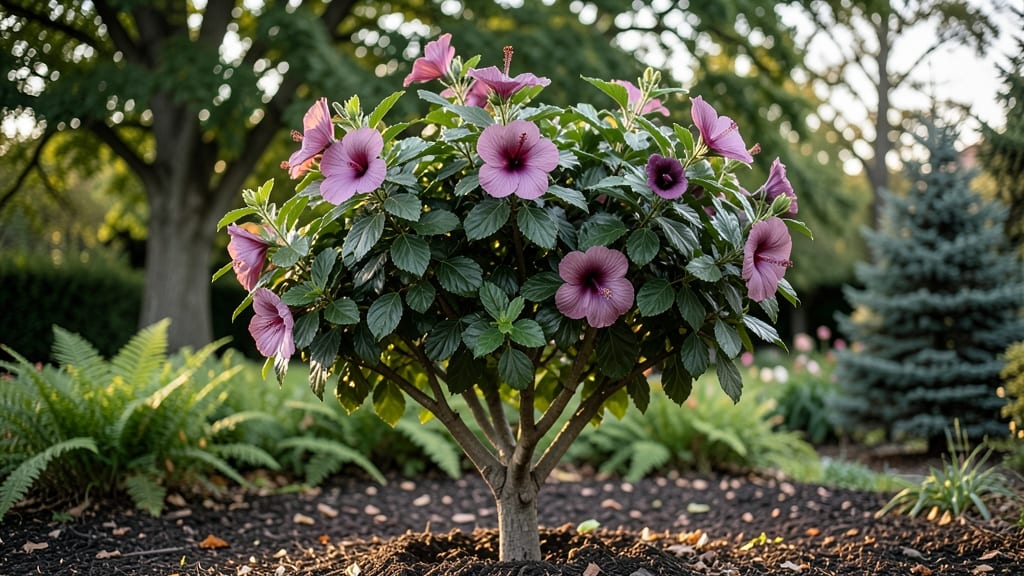
Shaping an Althea Tree 🌿 into a striking tree form is all about patience and precision—it’s not something that happens overnight, but the results are worth every careful cut.
Picture this: a single, sturdy trunk rising from the ground, crowned with a lush, balanced canopy of blooms. That’s the vision, and with the right pruning techniques, you can turn your Althea into a showstopper that stands out in any garden.
The key is understanding how this plant naturally grows and when to guide it toward that elegant structure.
Unlike many shrubs that sprawl or multiply into thickets, an Althea Tree thrives when given direction. By focusing on selective pruning—especially in late winter or early spring—you encourage a strong central leader while keeping the branches evenly spaced.
It’s a game-changer for garden design, adding height and drama without sacrificing those stunning flowers.
In this guide, I’ll walk you through the exact steps to prune your Althea for that perfect tree form, from choosing the right branches to cut to avoiding common mistakes that can leave your plant looking leggy or uneven.
Ready to transform your garden with a bold, balanced focal point?
Understanding Althea tree form: key growth habits and structural needs
Transforming your Althea (Hibiscus syriacus) into a tree-like form starts with understanding its natural growth habits. Unlike its shrubby cousins, this plant can develop a single-trunk structure with proper pruning and care.
The key lies in its branching angles and seasonal growth cycles, which respond differently to pruning than shrub forms.
Althea’s wood structure is semi-woody, meaning it’s flexible enough to support training but firm enough to maintain shape. When cultivated as a tree, it typically reaches 10-15 feet tall with a balanced canopy.
The secret to achieving this form is knowing when and how to prune to encourage upward growth while maintaining structural integrity.
Here’s how Althea’s growth compares to its shrubby counterpart: shrubs develop multiple stems from the base, while tree forms require selective pruning to eliminate lower branches and strengthen the main trunk. This process takes 2-3 years of consistent care but yields a stunning, architectural focal point in your garden.
| Growth Characteristic | Tree Form Specification | Shrub Form Comparison |
|---|---|---|
| Trunk Development | Single, strong central trunk with minimal lower branches | Multiple stems from base, no dominant trunk |
| Branching Angle | 45-60° upward angles for structural support | Varies, often wider angles (60-90°) |
| Pruning Window | Late winter (dormant season) + summer shaping | Year-round maintenance, minimal winter cuts |
| Growth Rate | Slower vertical growth (2-3 ft/year) | Faster horizontal spread (3-4 ft/year) |
| Flower Production | Concentrated on upper canopy | Distributed along multiple stems |
| Wood Strength | Thicker trunk, supports 10+ ft height | Thinner stems, may require staking |
Althea’s seasonal growth cycles are critical to timing your pruning efforts. In late winter (February-March), the plant is dormant, making it the ideal time for structural pruning. This is when you’ll remove any competing lower branches to establish your central leader trunk.
Summer pruning, around June-July, focuses on shaping the canopy and removing overcrowded branches to improve airflow.
One common misconception is that Althea’s wood is too brittle for tree training. In reality, its semi-woody structure becomes stronger with age when given proper support.
The ideal branching angle for tree form is between 45-60 degrees—this creates natural tension in the wood, reducing the risk of wind damage or splitting. Always prune just above a bud facing outward to encourage healthy growth.
When shaping your Althea as a tree, pay special attention to the first 2-3 years of growth. During this period, the plant establishes its structural foundation. If you allow too many lower branches to develop, you’ll end up with a multi-stemmed shrub rather than a single-trunk tree.
Use tie-downs or stakes for young trees to prevent wind rock and encourage straight upward growth.
The critical pruning window for tree form is February-March during dormancy. This is when you should:
- Remove all branches below 3-4 feet from the ground
- Select 3-5 strong upward-growing branches to form the canopy 3.
Cut back any crossing or rubbing branches 4. Prune to open the center of the tree for better light penetration
Althea’s wood structure responds well to selective thinning rather than heavy cutting. Avoid removing more than 25% of the canopy in any single pruning session, as this can stress the plant.
Instead, focus on gradual shaping over multiple seasons. The goal is to create a balanced silhouette where the widest part of the canopy is at the top third of the tree.
In summer months (June-August), your focus shifts to maintenance pruning. This involves:
- Trimming overly long shoots to maintain shape
- Removing dead or diseased branches
- Pinching back new growth to encourage bushier foliage
- Ensuring even light distribution throughout the canopy
Remember that Althea’s flower production is directly tied to its structural health. A well-pruned tree form will produce larger, more abundant blooms because energy isn’t wasted on excessive foliage or weak branches. The ideal tree form should have a clear central leader,
Step-by-step pruning guide for shaping Althea into a tree form
Shaping your Althea (Hibiscus syriacus) into a tree form requires patience and precision, but the results—a single-trunk base with a balanced canopy—are worth the effort. This seasonal pruning approach ensures your plant grows strong, blooms abundantly, and maintains its architectural beauty year after year.
Start by understanding that tree form pruning differs from standard shrub maintenance, focusing on selective cuts to encourage vertical growth while controlling lateral branches.
Before you begin, gather your pruning tools: a sharp bypass pruner for clean cuts, loppers for thicker branches, and rubbing alcohol to sterilize tools between cuts. Work during dormant season (late winter) for major structural changes, and summer shaping to refine the form.
Always prune just above a bud or branch collar to promote healthy regrowth and prevent disease. Let’s dive into the step-by-step process to transform your Althea into a stunning tree.
Step-by-Step Pruning Guide for Althea Tree Form
-
1
Winter Dormancy Pruning (Late February - Early March)
Remove dead, diseased, or crossing branches first. Select 1-2 strong vertical branches near the base to serve as your future trunk. Cut competing branches back to the branch collar to encourage upward growth.
-
2
Summer Light Pruning (June - July)
Pinch back new growth tips on lateral branches to promote bushier growth in the canopy. Remove overly dense foliage to improve airflow and sunlight penetration, which boosts flower production.
-
3
Annual Trunk Reinforcement (Early Spring)
By year 2-3, reinforce your primary trunk by removing all but 3-5 scaffold branches spaced evenly around the trunk. These branches should emerge at a 45-degree angle for stability.
-
4
Emergency Pruning (As Needed)
If a branch is damaged by storms or pests, prune it immediately to the nearest healthy bud or branch collar. Avoid over-pruning more than 25% of the foliage in one session to prevent stress.
-
5
Final Shape Adjustments (Fall)
In late fall, trim any suckers or water sprouts at the base of the trunk. Lightly shape the canopy to maintain balance and remove any weak or leggy growth.
After pruning, sterilize your tools with rubbing alcohol to prevent the spread of bacterial or fungal diseases. Apply a light layer of mulch around the base of your Althea to retain moisture and protect roots during the growing season.
Water deeply once a week to encourage strong root development, especially after major pruning sessions. Patience is key—your Althea’s tree form will gradually emerge over 3-5 years with consistent care.
For optimal results, pair your Althea tree form with complementary plants like boxwood shrubs for structure or perennials like lavender for texture. Place it in a sunny, sheltered spot in your garden to highlight its architectural beauty and seasonal blooms.
With these techniques, your Althea will become a showstopping focal point in your landscape.
🌿