
Pruning
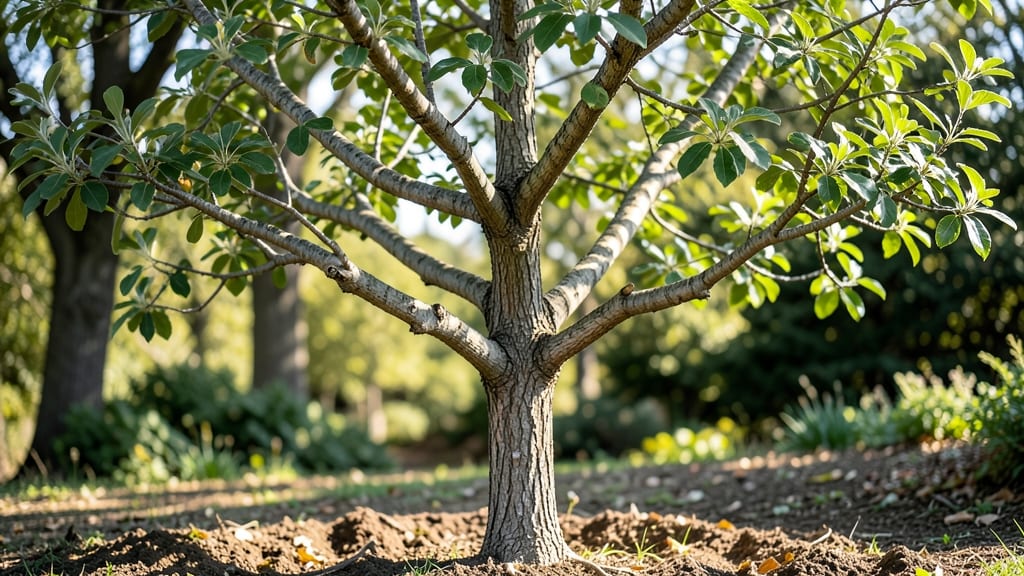
Your American plum tree’s bark isn’t just protective—it’s the lifeline for stronger sap flow and healthier fruit. 🌳 The rough, reddish-brown texture tells you everything about its health: peeling spots mean moisture stress, while deep cracks invite pests.
I’ve learned that pruning the right way keeps that bark resilient year-round, and it all starts with understanding what’s normal versus what needs attention.
First, grab your pruners and inspect the bark closely. Healthy bark should feel firm with a few natural fissures—nothing alarming. But if you spot peeling patches or blackened streaks, those are signs of sun scald or fungal issues.
Prune only during dormant seasons (late winter or early spring) to avoid stressing the tree when it’s actively growing.
When you prune, cut just outside the branch collar where it meets the trunk—never tear the bark. This keeps wounds clean and speeds up healing. After pruning, apply a thin layer of tree wound sealant to larger cuts to prevent disease.
The goal? A tree that looks sturdy, with bark that stays smooth and intact, not flaky or cracked.
This approach works for any mature American plum—whether it’s a young sapling or a well-established tree in your yard. The key is consistent checks twice a year, and you’ll see stronger branches, better fruit set, and a tree that thrives for decades. Here’s how to keep it that way.
📚 In This Guide
- What you need
- Instructions
- Tips and common mistakes
- Wrapping up and next steps
What you need
- ● Pruning shears: Bypass pruners (sharp, clean, and disinfected with rubbing alcohol or bleach solution—1 part bleach to 9 parts water). Size: 6-8 inches for medium branches.
- ● Loppers: For thicker branches (up to 2 inches in diameter). Quantity: 1 pair, with a bypass blade for precision cuts.
- ● Pruning saw: For branches larger than 2 inches. Type: Curved-tooth saw for clean cuts.
- ● Gloves: Heavy-duty, cut-resistant gloves (e.g., leather or reinforced fabric) to protect hands from thorns and rough bark.
- ● Ladder or step stool: Adjustable or extendable (height: at least 8-10 feet for tall trees). Safety note: Use a stable, three-legged ladder for balance.
- ● Disinfectant solution: 1 part bleach to 9 parts water (or 70% isopropyl alcohol) to sterilize tools between cuts and prevent disease spread.
- ● Plastic bags or bucket: For collecting pruned branches and bark debris (quantity: 1-2 large bags or a 5-gallon bucket).
- ○ Marking twine or flags: Colored twine or small flags to tag branches for removal (optional but helpful for planning).
- ● Hand saw or reciprocating saw: For stubborn, thick branches that won’t yield to a pruning saw.
- ● Tree wound dressing: Pruning sealant (e.g., Tanglefoot Tree Wound Pruning Seal)—controversial but useful for large cuts to reduce sap loss.
- ● Safety glasses: To protect eyes from debris or sap splashes.
- ● Work apron or tool belt: Keeps essentials handy while you work.
- ● Camera or sketchbook: Document the tree’s structure before pruning for reference later.
- ● Know your tree: Confirm it’s an American plum (Prunus americana)—look for dark red/purple bark with horizontal lenticels and oval leaves. Avoid pruning during peak sap flow (late winter/early spring) unless necessary.
- ● Weather check: Prune on a dry, overcast day to minimize stress on the tree and reduce sap bleeding.
- ● Tool maintenance: Sharpen blades before starting—dull tools crush bark, inviting disease. 💡 Pro tip: Use a file or sharpening stone for pruners.
How to prune American plum trees for healthier bark and sap flow
Pruning isn't just about shaping—it's about unlocking your tree's full potential. Here's how to do it right, season by season.
⏰ Step 1: Plan Your Year-Round Pruning Schedule
American plums respond best to three key pruning times: late winter (before buds swell), early summer (after flowering), and light maintenance in fall. Late winter is the most critical—this is when you remove dead, crossing, or weak branches while the tree is dormant. I mark my calendar for February-March in most climates, but adjust if your last frost runs late.
Summer pruning, around June-July, focuses on thinning the canopy to improve airflow and sunlight penetration. This prevents fungal diseases that thrive in dense, shaded bark. Fall pruning is minimal—just remove any storm-damaged branches or suckers growing from the base. Never prune in late fall or winter when the tree is stressed.
✂️ Step 2: Use Proper Tools and Techniques for Clean Cuts
Start with sharp, sterilized pruning tools: a bypass pruner for branches up to ½ inch thick, and loppers for ½-2 inch branches. For anything larger, use a pruning saw with a fine-tooth blade. Sterilize tools between cuts with rubbing alcohol to prevent spreading bacterial canker—a common plum tree disease.
Make cuts at a 45-degree angle, just outside the branch collar (the swollen area where the branch meets the trunk). Avoid leaving stubs—they invite rot and weaken the tree. For larger branches, make a top cut first, then an under cut about 6 inches out, and finally the final cut just outside the collar. This prevents bark from tearing.
☀️ Step 3: Focus on Improving Airflow and Light Penetration
Your goal is to create an open-centered tree with sunlight reaching all the way to the inner branches. Remove any branches growing inward or rubbing against others—these compete for energy and damage bark. Thin out sparse areas to balance the canopy, and shorten overly vigorous branches to redirect growth upward.
Watch for water sprouts (fast-growing, vertical shoots) and suckers (shoots from the base)—these drain energy from fruit production. Cut these back to the main trunk or scaffold branch. After pruning, step back and visualize sunlight streaming through the branches. If you see dark, shaded areas, keep thinning until light reaches the center.
🌱 Step 4: Monitor Sap Flow and Bark Health Post-Pruning
Pruning stimulates sap flow, which is why you'll see clear, sticky sap at the cut edges—this is normal and healthy. However, if the sap turns dark, oozes excessively, or smells foul, your tree may be stressed or infected. Apply pruning sealant only to cuts larger than ½ inch to prevent moisture loss, but skip it on small cuts—it traps humidity and promotes rot.
Inspect the bark annually for cracks, cankers, or peeling—these are signs of stress or disease. Healthy American plum bark is smooth, gray-brown, and slightly rough to the touch. If you notice black, sunken lesions, prune those branches immediately and sterilize your tools. Mulch the base with 2-3 inches of organic mulch (like wood chips) to protect roots and retain moisture.
🪴 Step 5: Adjust for Young vs. Mature Trees
Young trees (under 5 years old) need structural pruning to establish a strong scaffold. Remove competing leaders (competing vertical branches) and low-hanging branches that will interfere with harvesting. For mature trees, prioritize rejuvenation pruning—gradually thinning over 2-3 years to open the canopy without shocking the tree.
I like to prune mature trees in stages: remove 25% of the canopy one year, then another 25% the next, and so on. This prevents stress and ensures consistent fruit production. Always prune no more than 25% of the canopy in a single season, or you risk weakening the tree's ability to support its own weight and produce fruit.
Tips & tricks for pruning American plum trees
Here's what nobody tells you about keeping your plum tree healthy through every season.
Seasonal Timing Secret: The February-March late winter pruning is your golden window—this is when the tree's dormant state makes it easiest to see dead or crossing branches. I check my local frost dates and adjust accordingly, but never prune after buds begin to swell. In summer (June-July), focus on thinning rather than removing—this prevents stress while still improving airflow. The key is to prune after flowering when the tree has already allocated energy to fruit production.
Tool Technique That Changed Everything: I've ruined more cuts than I'd like to admit by using dull tools. Always test your pruners on a small branch first—if it crushes rather than cuts cleanly, sharpen them. For larger branches, the three-cut method (top cut, under cut, final cut) prevents bark tearing, but I've learned the hard way that rushing this step leads to messy, healing wounds. Take your time, especially on branches over ½ inch thick where the branch collar matters most.
Canopy Visualization Trick: After pruning, step back and imagine sunlight streaming through your tree. If you see dark patches, you haven't thinned enough. I use a simple trick: hold a flashlight at the tree's center and look for shadows on the bark. This helps me spot areas where branches are still blocking light. For mature trees, I aim to remove just enough to let light reach the inner branches without over-pruning—think of it like thinning a haircut rather than buzzing it all off.
Bark Health Rescue Strategy: That clear sap after pruning is normal, but dark or foul-smelling sap means trouble. I keep a small bottle of pruning sealant handy for cuts over ½ inch, but I've learned to skip it on smaller cuts—it traps moisture and can cause rot. Instead, I monitor these areas closely for the first few weeks after pruning, looking for any unusual changes in bark texture or color. A quick inspection now can prevent major issues down the road.
Pro Tips for American Plum Tree Bark
- Here's what nobody tells you about keeping your plum tree healthy through every season.
- Seasonal Timing Secret: The February-March late winter pruning is your golden window—this is when the tree's dormant state makes it easiest to see dead or crossing branches.
- Tool Technique That Changed Everything: I've ruined more cuts than I'd like to admit by using dull tools.
Frequently asked questions
When is the best time to prune American plum trees for bark health?
The ideal time to prune is late winter or early spring (before buds swell) to avoid stressing the tree. Avoid heavy pruning in summer or fall, as it can disrupt sap flow and weaken bark resilience. Light maintenance pruning can occur in late winter to remove dead branches.
Can I prune American plum trees in summer without harming the bark?
Yes, but minimize heavy pruning—focus on removing only dead, diseased, or crossing branches. Summer pruning can stress the tree, slowing sap flow and potentially damaging bark. If needed, do it early summer and keep cuts clean to prevent infections.
What’s the best way to heal pruning wounds on American plum bark?
Use a sharp pruning saw for clean cuts (avoid tearing). Apply pruning sealant (optional for small wounds) or let the tree naturally seal with callus tissue. Avoid thick sealants—they trap moisture, promoting rot. Keep the area dry and well-ventilated for faster healing.
Are there alternatives to pruning for improving sap flow in American plum trees?
While pruning is key, you can also:
- Thin the canopy to improve air circulation (reduces stress).
- Apply balanced fertilizer (high nitrogen in early spring) to support bark health.
- Water deeply 1–2 times/week during dry spells to maintain sap flow.
- Monitor for pests/diseases (e.g., borers) that weaken bark.
My American plum tree’s bark is peeling—is this normal or a sign of trouble?
Some peeling is normal (especially on older bark), but excessive peeling, oozing sap, or cracks signal stress or disease. Check for:
- Sunburn (common on thin-barked trees).
- Bacterial canker (sunken lesions).
- Fungal infections (powdery spots).
Wrapping up and next steps
Mastering the art of pruning American plum tree bark isn’t just about aesthetics—it’s a year-round commitment to your tree’s health and vitality.
By following the right techniques, timing, and tools, you’ll unlock stronger sap flow, better fruit production, and a thriving canopy. Your tree will thank you with lush growth and delicious plums!
Ready to take the next step? Start by observing your tree’s growth patterns and scheduling your first pruning session—whether it’s winter’s dormant phase or summer’s post-harvest cleanup. Grab your pruners and dive in! 🌿✨