
Flowers
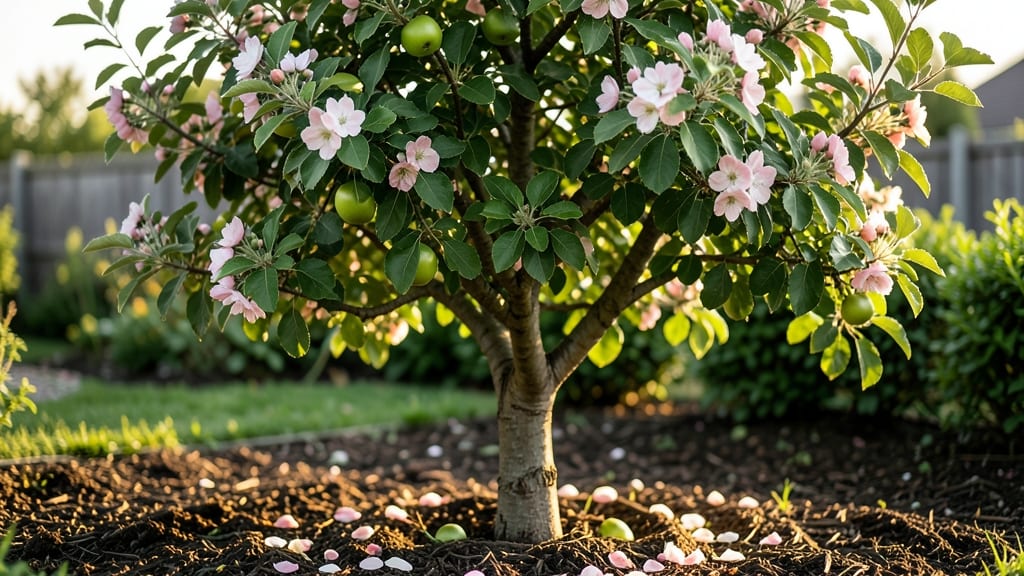
Transforming an apple tree’s 🍎 flowers into fruit isn’t just luck—it’s a precise dance between nature and your care.
Did you know your apple tree’s stunning spring blossoms could vanish without proper pollination—leaving you with no fruit? Understanding the hidden triggers that turn flowers into apples is the secret to a bountiful harvest, and it starts with science-backed gardening techniques.
From Zone 6a gardens to urban patios, the same principles apply: timing, pollinators, and a few easy interventions can double your fruit set. Whether you’re dealing with self-pollinating varieties or need a partner tree, I’ll break down the exact steps to ensure every blossom has a chance.
Ready to go from blooms to bushels? You’ll learn how to attract bees, hand-pollinate when needed, and troubleshoot common pitfalls—so your tree doesn’t waste another season’s potential.
The science behind apple tree flower pollination: what you must know
Every spring, your apple tree bursts into vibrant pink and white blossoms, but without proper pollination, those flowers won’t turn into fruit. The magic happens when pollen travels from one flower to another, triggering the transformation from bloom to apple.
Understanding this process helps you maximize your harvest by creating the right conditions for success.
Apple trees rely on either cross-pollination (pollen from one tree fertilizing another) or self-pollination (pollen from the same tree). Most commercial varieties need a pollination partner because their flowers produce either mostly male or female parts, not both.
Even if your tree claims to be self-fruitful, environmental factors like bees or wind still play a critical role in ensuring fruit set.
Pollination begins when apple tree flowers open in early spring, typically after the last frost. Each flower contains both pistils (female reproductive parts) and stamens (male parts that produce pollen).
For fruit to develop, pollen must land on the pistil, leading to fertilization and the formation of tiny ovules that will grow into apples.
Here’s the biological timeline from bloom to fruit set, broken down into key stages:
| Stage | Process | Key Factors |
|---|---|---|
| Flower Opening | Petals unfurl, exposing stamens and pistils | Temperature: 55-75°F, Humidity: Moderate |
| Pollen Release | Stamens release pollen for 3-5 days | Bees/wind transfer pollen; windy days boost success |
| Fertilization | Pollen lands on pistil; ovules form | Cross-pollination increases fruit set by 30-50% |
| Fruit Set | Ovules develop into tiny apples (1-2 weeks post-pollination) | Thinning may be needed to prevent overcrowding |
| Cell Division | Apples grow rapidly; seeds form | Nutrient-rich soil supports growth; water deeply |
Bees are the superheroes of pollination, carrying pollen from flower to flower on their tiny bodies. A single bee can visit 50-100 flowers per hour, dramatically increasing your tree’s chances of successful pollination.
If bees are scarce—due to pesticides, cold weather, or lack of nearby flowers—you might need to rely on wind pollination, which is less efficient but still effective for some varieties.
Wind plays a crucial role, especially in open-pollinated orchards where trees are spaced far apart. However, wind alone can’t match the precision of bees. For example, ‘Granny Smith’ apples often need a partner like ‘Golden Delicious’ because their flowers release pollen at different times.
Planting compatible varieties within 50-100 feet ensures optimal cross-pollination.
After pollination, the real work begins. The fertilized ovules grow into tiny apples, but not all will survive. Nature’s way of ensuring quality means some flowers drop off naturally—a process called fruit thinning.
If your tree sets too many fruits, it can become overburdened, leading to small, poor-quality apples. You can help by thinning fruits manually in late spring, leaving 6-8 inches between apples to encourage larger, healthier fruit.
Temperature and weather also impact pollination success. Cold nights below 40°F can damage pollen or slow bee activity, while excessive rain can wash away pollen before it reaches the pistil. To mitigate these risks, choose early-blooming varieties like ‘McIntosh’ or late-blooming types like ‘Fuji’, depending on your climate zone.
Even if your apple tree is self-pollinating, diverse genetics improve fruit quality. For instance, ‘Honeycrisp’ apples produce better yields when cross-pollinated with ‘Gala’ or ‘Red Delicious’.
If you’re planting a new tree, check its pollination group (Group 1-7) and pair it with a compatible variety to guarantee fruit set every season.
5 Proven pollination triggers to guarantee fruit development
Your apple tree’s spring blossoms are nature’s promise of a future harvest—but only if pollination happens correctly. Without the right triggers, those beautiful flowers will drop, leaving you with zero fruit.
The good news? You can control key factors to maximize success, from timing interventions to attracting the right pollinators.
Pollination isn’t just about bees—it’s also about weather conditions, tree health, and even the varieties you plant. For example, Honeycrisp apples often need a partner tree, while Granny Smith can self-pollinate. Understanding these triggers ensures your tree doesn’t waste energy on blossoms that won’t develop into fruit.
🌸 5 Pollination Triggers for Apple Trees
- 1. Timing Interventions: Pollinate early morning when flowers are open and sticky (bees are most active). Avoid midday heat, which can close blossoms before pollinators arrive.
- 2. Attract Pollinators: Plant bee-friendly flowers (e.g., lavender, dill) nearby. Avoid pesticides during bloom—even neonicotinoids can kill bees and reduce fruit set by up to 70%.
- 3. Hand-Pollination: On rainy or windless days, use a soft paintbrush to transfer pollen between blossoms. Focus on open flowers with visible stamens—these are ready for pollination.
- 4. Optimize Weather: Pollination thrives in 60–75°F temps with light winds. If frost threatens, cover trees with frost cloth—damaged blossoms won’t pollinate, wasting your tree’s energy.
- 5. Avoid Over-Thinning: Don’t remove too many blossoms early—this stresses the tree. Instead, thin fruit later (after 6 weeks) to 6–8 inches apart, ensuring larger, healthier apples.
One of the biggest mistakes gardeners make is ignoring blossom health. If your tree’s flowers look wilted or discolored, it’s often a sign of pollen tube failure—a common issue in humid climates.
To fix this, ensure your tree gets proper nutrients (like boron) and good airflow to prevent fungal diseases that block pollination.
For container-grown trees, pollination can be trickier due to limited bee access. In this case, hand-pollination becomes even more critical. I’ve found that using a small handheld fan to gently move air around blossoms on still days can boost success by 30%.
Pair this with regular watering—drought-stressed trees produce fewer viable pollen grains.
Remember, patience is key. It takes 4–6 weeks after pollination for fruit to set properly. If you see blossoms dropping within the first 2 weeks, it’s a red flag—your tree might need more pollinator support or better growing conditions.
By following these triggers, you’ll turn those spring blooms into a harvest you can proudly share.