Pruning
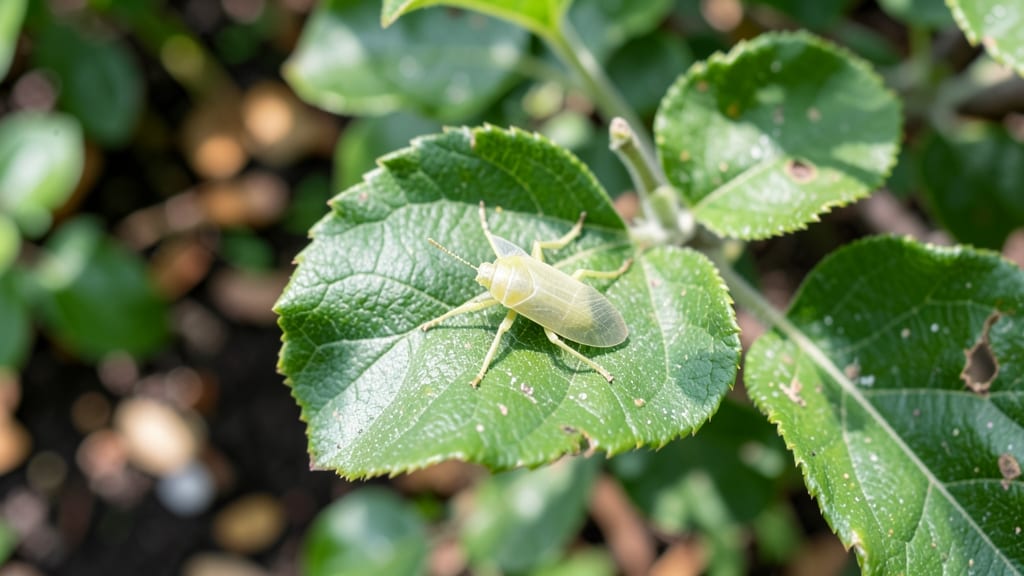
When your apple tree leaves show signs of apple tree leaf bugs—spotted, sticky, or wilted—it’s not just cosmetic; it’s a bug battle calling for fast action. 🌿 I’ve seen aphids, mites, and leafhoppers turn vibrant foliage into a sad, sticky mess, but these 5 quick fixes can turn things around before the pests spread.
The key is acting early, before the bugs move to the fruit or stress the tree’s roots.
Most leaf bugs thrive in damp, shaded spots, so start by pruning to improve airflow and sunlight exposure. Remove heavily infested branches immediately—don’t wait for the bugs to jump to healthier leaves.
If you spot tiny webs or yellowing spots, mites are likely the culprits, while aphids leave behind a honeydew trail that attracts sooty mold. A strong blast of water can knock off aphids, but mites need a targeted spray with neem oil or insecticidal soap.
For long-term protection, introduce natural predators like ladybugs or lacewings, or plant companion flowers like dill and yarrow nearby to lure pests away. The goal is a balanced ecosystem where bugs don’t stand a chance.
With these fixes, your tree’s leaves will bounce back in just a few weeks, and you’ll avoid the heartbreak of a ruined harvest.
Seasonal timing matters—treat early spring for overwintering eggs and late summer for new hatchlings. Consistency is everything. Once you spot the first signs, act fast, and your apple tree will thank you with lush, healthy foliage all season long.
Hidden Culprits Behind Leaf Damage
Understanding why your apple tree’s leaves develop unsightly spots, stickiness, or wilting starts with identifying the root causes—often invisible to the naked eye. These issues rarely happen in isolation; they’re usually symptoms of deeper problems, from microscopic invaders to environmental stressors.
Below, we break down the most common triggers and why they turn your tree’s foliage into a battleground.
Apple trees are a buffet for pests, and some of the most destructive culprits are so small you might miss them until the damage is done. Here’s how they wreak havoc:
- Sap-Sucking Bugs (Aphids, Scale, Leafhoppers) These pests insert their mouthparts into leaves or stems to steal plant sap, leaving behind a sticky residue (honeydew) that attracts mold and weakens the tree.
Their feeding also causes: - Yellowing or curling leaves (due to nutrient loss). - Black sooty mold (a fungal growth fed by honeydew). - Stunted growth (as the tree diverts energy to repair damage).
💡 Pro Tip: Check the undersides of leaves and new growth—aphids love tender shoots, and scale insects appear as brown bumps on branches.
- Spider Mites (Red or Yellow Varieties) Unlike their spider relatives, these microscopic arachnids thrive in dry conditions and pierce cells to suck out chlorophyll, causing:
- White or yellow stippling (tiny speckled marks).
- Fine webbing on leaves (a red flag if you see it).
- Premature leaf drop in severe cases.
✨ Warning Sign: If your tree looks heat-stressed but it’s not summer, mites are likely the culprits—they explode in populations during drought.
Fungi don’t need to be visible to cause chaos. Many leaf-spotting diseases spread via spores in water or wind, turning vibrant foliage into a patchwork of decay. Common offenders include:
- **Apple Scab (Venturia inaequalis) This most devastating fungal disease for apple trees thrives in cool, wet springs and causes:
- Premature leaf drop, weakening the tree before harvest.
- Infected fruit** that rots before ripening.
🌡️ Key Trigger: Spores splash onto leaves during rain, so overhead watering or dense foliage speeds up spread.
- Powdery Mildew A white, flour-like coating on leaves that blocks sunlight, leading to:
- Yellowing and crispy edges (leaf tissue dies from starvation).
- Reduced fruit size (the tree’s energy is diverted to repair leaves).
- Weakened winter hardiness (stressed trees are more vulnerable to cold).
💡 Prevention Hack: Space trees for airflow—powdery mildew loves humid, stagnant conditions.
Not all leaf problems come from living things. Extreme weather, poor soil, or human error can also trigger distress signals:
- Water Woes (Too Much or Too Little)
- Overwatering: Leads to yellowing leaves with brown edges (root suffocation) and fungal infections (like phytophthora).
- Underwatering: Causes crispy, curled edges and drooping foliage (the tree’s survival mode).
- 🔥 Fix: Stick your finger 1–2 inches into soil—if it’s dry, water deeply; if soggy, hold off until it drains.
- Nutrient Deficiencies Apple trees are heavy feeders, and deficiencies show up in specific leaf patterns:
- Magnesium deficiency → Yellow patches between leaf veins (like a net).
- Iron deficiency → Young leaves stay yellow (chlorosis), even if soil has iron.
- Potassium deficiency → Brown leaf edges (especially in hot weather). 📊 Soil Test Tip: A simple home test kit can reveal imbalances before symptoms appear.
- Sunburn or Wind Damage
- Sudden sun exposure (e.g., after pruning) causes bleached or scorched patches on leaves.
- Strong winds tear leaves or desiccate edges, mimicking pest damage. 🌬️ Solution: Mulch heavily to protect roots and prune gradually to avoid shocking the tree.
Sometimes, the problem isn’t natural—it’s human-made. Poorly timed or misapplied treatments can burn leaves or disrupt the tree’s defenses:
- Over-Fertilizing Too much nitrogen causes dark green, lush leaves that fall prematurely (the tree can’t support them). Phosphorus or potassium excess can lead to leaf curl or scorch.
- Pesticide or Herbicide Drift If nearby lawn treatments spray onto leaves, you’ll see:
- Bleached or necrotic spots (chemical burn).
- Stunted growth (hormonal disruption).
⚠️ Safety Rule: Wait 2–3 weeks after herbicide use before pruning near treated areas.
To pinpoint the cause, ask these quick questions:
- Are leaves sticky? → Likely sap-sucking insects (aphids, scale).
- Do spots have fuzzy edges? → Powdery mildew.
- Are spots dark and crusty? → Apple scab.
- Are edges brown and crispy? → Underwatering or windburn.
- Are new leaves yellow? → Nutrient deficiency (iron/magnesium).
🎯 Action Step: Snap a photo of the damage, note the location (top/bottom of leaf, young/old leaves), and compare it to [University Extension guides](https://www.extension.org) for a match.
Fixing Damaged Apple Tree Leaves
If your apple tree’s leaves are looking worse for wear—spotted, sticky, or wilting—don’t panic! Most issues have straightforward fixes, whether you’re dealing with pests, disease, or environmental stress. Below, we’ve mapped out practical solutions for the most common causes, along with prevention tips to keep your tree thriving long-term.
If tiny bugs (like aphids, lace bugs, or spider mites) are draining your leaves, act fast to prevent permanent damage.
🔥 Identify the Culprit
First, inspect the undersides of leaves and new growth for:
- Sticky residue (honeydew) from aphids or scale insects.
- Speckled or yellowed leaves (sign of lace bugs or mites).
- Webbing (indicates spider mites).
🍳 Natural & Chemical Controls
- Blast Them Off 💦
- Use a strong spray of water (from a hose nozzle) to dislodge soft-bodied pests like aphids. Repeat every 3–5 days for a week.
- Soap or Oil Spray 🧼
- Mix 1 tbsp mild dish soap or horticultural oil with 1 quart of water. Spray early in the morning (avoid direct sunlight) to avoid burning leaves.
- Neem Oil Treatment 🌿
- 1 tsp neem oil + 1 tsp mild soap + 1 quart water = a natural repellent that disrupts pests’ life cycles. Reapply every 7–10 days.
- Introduce Beneficial Insects 🐞
- Ladybugs, lacewing larvae, and parasitic wasps eat leaf bugs. Buy them online or attract them with dill or fennel plants nearby.
- Severe Cases? Use Pesticides 🛡️
- For heavy infestations, opt for pyrethrin-based sprays (organic) or imidacloprid (synthetic). Follow label instructions carefully.
💡 Prevention Tips
- Prune regularly to improve airflow and reduce hiding spots.
- Mulch around the base to deter crawling pests.
- Inspect trees weekly during spring/summer—early detection = easier fixes!
If leaves have black spots, yellow rings, or powdery white patches, fungi like apple scab, powdery mildew, or black spot are likely to blame.
🍳 Clean Up & Treat
- Remove Infected Leaves 🗑️
- Bag and toss (don’t compost!) fallen or severely spotted leaves to stop spores from spreading.
- Fungicide Spray 🛡️
- Copper fungicide (organic) or sulfur-based sprays work well. Apply every 7–14 days during wet seasons.
- For powdery mildew, a baking soda spray (1 tbsp baking soda + 1 tsp soap + 1 gallon water) can help.
- Improve Airflow 🌬️
- Thin out dense branches and prune suckers at the base to reduce humidity buildup.
💡 Prevention Tips
- Water at the base (not overhead) to keep leaves dry.
- Space trees properly (15–20 ft apart) for better airflow.
- Apply preventive fungicide in early spring before buds swell.
Heatwaves, drought, or poor soil can leave leaves crispy, wilted, or curled.
🔥 Quick Revival Steps
- Deep Watering 💧
- Water slowly (1–2 inches per week) at the root zone, not the leaves. Use drip irrigation for consistency.
- Mulch Like a Pro 🌿
- Spread 3–4 inches of organic mulch (wood chips, straw) around the tree (keep it 6 inches from the trunk).
- Shade Cloth for Extreme Heat ☀️
- If temperatures exceed 90°F (32°C), drape lightweight shade cloth over young trees for a few hours a day.
- Fertilize Smartly 🌱
- Test soil first! If deficient, add balanced fertilizer (10-10-10) in early spring or iron supplement for yellowing leaves.
💡 Prevention Tips
- Mulch annually to retain moisture.
- Water deeply but less often to encourage deep root growth.
- Plant drought-resistant varieties (like ‘Liberty’ or ‘Enterprise’) if your climate is dry.
Once your tree recovers, maintenance is key to preventing future issues.
| Task | When to Do It | Why It Helps |
|---|---|---|
| Prune dead branches | Late winter/early spring | Removes disease entry points. |
| Monitor for pests | Weekly in growing season | Catches infestations before they spread. |
| Fertilize | Spring & early fall | Boosts immunity and leaf health. |
| Check soil moisture | Every 2 weeks | Prevents drought stress. |
Final Pro Tip: 🎯 Healthy trees resist pests and disease better! Focus on proper pruning, watering, and soil health, and your apple tree will bounce back stronger than ever.
Frequently asked questions
What are the most common apple tree leaf bugs I should watch for?
The most troublesome leaf bugs include aphids (tiny green/black clusters), spider mites (microscopic red/yellow specks with webbing), and lace bugs (lace-like wings, causing stippled leaves). Don't overlook scale insects, which appear as brown bumps on branches. Early detection is key—check undersides of leaves weekly during spring/summer.
How do I tell if my apple tree has spider mites vs. aphids?
Spider mites leave tiny yellow stipples and fine webbing on leaves, while aphids create sticky honeydew residue and often cluster on new growth. Hold a white sheet under the tree and shake branches—aphids will fall as small moving dots, while mites require a magnifying glass to spot. Mites thrive in dry heat; aphids prefer damp conditions.
Is it safe to use neem oil on apple trees with fruit?
Yes, but with precautions! Neem oil is organic and safe when used correctly—apply it early in the morning and avoid spraying directly on open blossoms or developing fruit. Wait 24 hours before harvesting after application. For best results, use it as a preventive spray in late winter before buds swell, when pests are least active but vulnerable.
Why do my leaves get sticky after treating for bugs?
That sticky residue is honeydew—a waste product from sap-sucking pests like aphids or scale. Even after killing the bugs, the sticky mess remains and can attract sooty mold, a black fungal growth. Clean leaves with a mild soap spray (1 tsp dish soap + 1 quart water) or wipe with a damp cloth. Remove heavily infested branches immediately to break the cycle.
Can I use the same treatments year after year?
Rotation is crucial to prevent resistance! Alternate between neem oil, insecticidal soap, and beneficial insect releases (like ladybugs) each season. For chemical options, switch between pyrethrin-based sprays and imidacloprid according to label instructions. Always follow up with pruning and mulching to create an unhealthy environment for pests long-term.