
Pruning
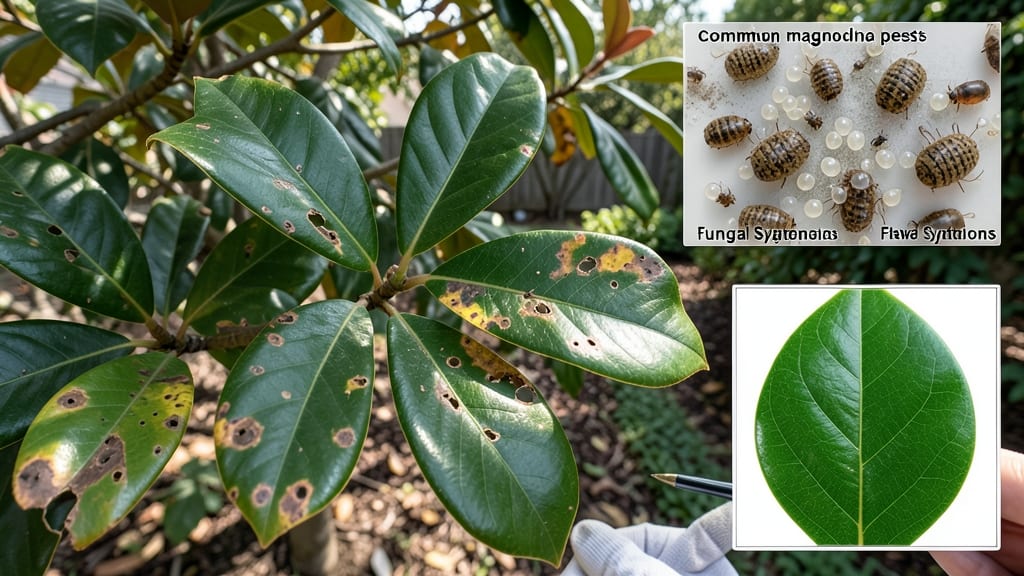
Seeing magnolia tree leaf problems—yellowing, spotting, or curling?—is a clear sign your tree is under stress. 🌿 I’ve nursed back dozens of struggling magnolias, and the fixes are simpler than you’d think, once you know what’s causing the damage.
The culprits range from overwatering (which drowns roots) to fungal infections (like powdery mildew) or nutrient deficiencies (especially iron or magnesium). Even pests like lace bugs can mimic these symptoms. The good news? Most issues respond within 2-4 weeks of targeted care—no drastic measures needed.
Start by checking the soil moisture and leaf undersides for pests. If it’s a fungal issue, a copper fungicide spray (applied in late afternoon) works wonders. For nutrient problems, a slow-release magnolia-specific fertilizer restores balance faster than generic blends.
This isn’t just about saving leaves—it’s about keeping your magnolia blooming for decades. Let’s diagnose the exact issue and get your tree back to its lush, healthy self.
Underlying Causes Of Leaf Issues
Magnolia trees are stunning additions to any landscape, but their leaves can sometimes send distress signals—yellowing, spotting, or curling—that hint at deeper problems. Understanding why these issues occur is the first step to restoring your tree’s health.
Below, we break down the most common culprits, backed by science, so you can diagnose and address the root cause.
Fungal pathogens are a leading cause of leaf discoloration, spots, and premature drop in magnolias. These microscopic invaders thrive in warm, humid conditions and often enter through wounds or weak spots on leaves.
- Powdery Mildew: A white, powdery coating on leaves (often on the undersides) is a classic sign.
This fungus blocks sunlight, stunting photosynthesis and causing yellowing. - Why it happens: Spores spread via wind or water, especially in shaded, poorly ventilated areas. - Actionable fix: Prune for airflow, apply fungicides with neem oil or sulfur-based treatments, and avoid overhead watering.
- Anthracnose: Dark, sunken spots with yellow halos appear on leaves, often in spring.
Severe cases cause defoliation. - Why it happens: Fungal spores overwinter in fallen leaves or bark, then infect new growth when conditions are wet and cool (50–75°F). - Actionable fix: Clean up debris, water at the base (not leaves), and treat with copper fungicide at the first sign.
- Leaf Spot Diseases: Brown or black spots with yellow borders (e.g., Gloeosporium or Phyllosticta) weaken leaves over time.
- Why it happens: Fungal spores splash onto leaves during rain or irrigation, especially if the tree is stressed.
- Actionable fix: Space out watering, remove infected leaves, and apply fixed copper fungicide preventatively.
Sap-sucking insects and chewing pests can turn magnolia leaves into a buffet, leading to discoloration, curling, or holes. Their damage weakens the tree’s ability to photosynthesize.
- Scale Insects: Tiny, immobile pests that attach to leaves/stems, excreting sticky honeydew that attracts sooty mold (a black fungal growth). - Why it happens: They thrive in hot, dry conditions and target stressed trees.
Female scales lay eggs year-round in protected areas. - Actionable fix: Blast off pests with water pressure, apply horticultural oil in dormant season, or use systemic insecticides like imidacloprid.
- Spider Mites: Tiny red or yellow mites cause stippling (tiny white/yellow dots) and webbing on leaf undersides.
- Why it happens: They multiply rapidly in dry, hot weather (especially above 85°F) and prefer dusty or drought-stressed trees.
- Actionable fix: Increase humidity with mulch or sprinklers, spray with soapy water, or use miticides like neem oil.
- Japanese Beetles: Adult beetles chew irregular holes in leaves, while larvae (grubs) damage roots.
- Why it happens: They’re attracted to healthy, lush foliage and peak in late summer.
- Actionable fix: Handpick beetles into soapy water, use milky spore powder, or apply pyrethrin-based sprays.
Magnolias are resilient, but extreme or inconsistent environmental conditions can trigger leaf problems—often as a secondary effect of underlying stress.
- Water Issues (Over/Under) - Overwatering: Leads to root rot (caused by Phytophthora fungi), yellowing, and wilting.
Roots suffocate in waterlogged soil. - Why it happens: Poor drainage, compacted soil, or frequent heavy watering. - Actionable fix: Improve drainage with sand or gravel, water deeply but infrequently, and avoid soggy soil. - Underwatering: Causes leaf scorch (brown, crispy edges) and curling as the tree conserves moisture. - Why it happens: Shallow root systems or drought stress, especially in sandy soils. - Actionable fix: Water 1–2 inches per week (more in heatwaves), use mulch to retain moisture.
- Temperature & Sunburn
- Late-Freeze Damage: New leaves emerging in spring can be killed by temperatures below 28°F, turning black or brown.
- Why it happens: Magnolias are semi-tropical; their buds are vulnerable until hardened off.
- Actionable fix: Plant in sheltered spots, use frost cloth for young trees, or choose cold-hardy varieties (e.g., Magnolia stellata).
- Sun Scorch: Pale, yellow patches on leaves exposed to intense afternoon sun (common in newly planted trees).
- Why it happens: Transplant shock or sudden exposure to full sun after shade-acclimated growth.
- Actionable fix: Gradually acclimate trees to sun, provide afternoon shade, or use lightweight shade cloth.
- Late-Freeze Damage: New leaves emerging in spring can be killed by temperatures below 28°F, turning black or brown.
- Soil Nutrient Deficiencies
- Iron Chlorosis: Yellow leaves with green veins (common in alkaline soils), caused by iron deficiency.
- Why it happens: High pH (>7.0) locks out iron, even if it’s present in the soil.
- Actionable fix: Test soil pH, amend with sulfur or chelated iron, and plant in acidic, well-draining soil.
- Nitrogen Deficiency: Pale green or yellow leaves (older leaves first) signal low nitrogen.
- Why it happens: Poor soil quality or over-pruning depletes nutrients.
- Actionable fix: Apply slow-release fertilizer (e.g., 10-10-10) in early spring.
- Iron Chlorosis: Yellow leaves with green veins (common in alkaline soils), caused by iron deficiency.
Sometimes, human (or animal) interference is the hidden villain behind leaf problems.
- Improper Pruning: Cutting into old wood (not the current season’s growth) or removing too many leaves at once stresses the tree.
- Why it happens: Pruning in fall/winter (dormant season) or using dull tools (causing tears).
- Actionable fix: Prune in late winter/early spring, use clean, sharp shears, and never remove >25% of foliage in one season.
- Herbicide Drift: Non-selective herbicides (e.g., glyphosate) can kill magnolia leaves if sprayed nearby.
- Why it happens: Wind carries overspray, or roots absorb chemicals from treated lawns.
- Actionable fix: Use pre-emergent herbicides instead, and plant magnolias at least 10 feet from spray zones.
- Animal Damage: Deer, rabbits, or voles chew leaves, while armadillos (in southern regions) uproot young trees.
- Why it happens: Magnolias are deer-resistant but not immune; new growth is especially tempting.
- Actionable fix: Install fencing, use repellents (e.g., rotten egg spray), or plant thorny barriers.
Pollution, salt, or chemical buildup can mimic nutrient deficiencies or fungal infections.
- Air Pollution: Ozone or sulfur dioxide from traffic/industry cause stippling, yellowing, or premature leaf drop.
- Why it happens: Pollutants damage leaf cells, reducing photosynthesis.
- Actionable fix: Plant magnolias away from roads or use air-purifying companion plants (e.g., boxwoods).
- Salt Burn: Yellowing or browning at leaf edges from road salt, fertilizers, or poor-quality water.
- Why it happens: Excess salts disrupt water uptake and nutrient absorption.
- Actionable fix: Flush soil with rainwater, use organic mulch, and avoid synthetic fertilizers near roots.
Pro Tip 💡: Keep a symptom journal! Note the location (top/bottom of tree), timing (spring/summer), and pattern (spots, curling, etc.) of leaf issues. This helps narrow down the cause—like a detective solving a case!
Quick Fixes for Sick Magnolia Leaves
Now that you’ve identified the trouble, let’s roll up our sleeves and get those magnolia leaves back to their glossy, healthy best! The right approach depends on the problem, but most fixes are simpler than you think—just a little TLC and consistency.
Below, we’ve mapped out practical, step-by-step solutions for each common issue, plus prevention tips to keep your tree thriving long-term.
H3: 🔥 Step 1: Test Your Soil (Know the Problem) Before grabbing a fertilizer, check if your magnolia is thirsty or starving. Yellow leaves often mean:
- Nitrogen deficiency (pale yellow, older leaves first)
- Iron deficiency (interveinal yellowing, younger leaves first)
- Overwatering (soft, mushy leaves, yellowing at the base)
💡 Pro Tip: Grab a soil test kit (available at garden centers) or send a sample to your local extension office for a detailed report. It’s the best way to avoid guessing games!
H3: 🍳 Step 2: Adjust Watering (Less Is Often More) Magnolias hate soggy roots. If your tree is overwatered:
- Reduce frequency: Water only when the top 2–3 inches of soil are dry (stick your finger in to check!).
- Improve drainage: Amend heavy clay soil with compost or sand to help roots breathe.
- Avoid wetting leaves: Water at the base, not overhead, to prevent fungal issues.
H3: 💪 Step 3: Feed the Right Way For nutrient deficiencies:
- Nitrogen: Use a balanced 10-10-10 fertilizer in early spring (follow package rates).
- Iron: Apply chelated iron (liquid or granules) if leaves show yellowing between veins. Reapply every 2–3 months.
- Organic boost: Spread aged compost or worm castings around the root zone for slow-release nutrients.
H3: ✨ Prevention Tips
- Mulch with 3–4 inches of organic mulch (like pine bark) to retain moisture and regulate soil temperature.
- Water deeply but infrequently—magnolias prefer drought tolerance once established.
- Avoid compacted soil—aerate if walking or mowing near the base.
H3: 🔪 Step 1: Remove the Infected Leaves Fungi love damp, crowded conditions. Prune out any:
- Leaves with spots, powdery white residue, or brown patches.
- Weak or crossing branches to improve airflow.
💡 Pro Tip: Sterilize your pruners with rubbing alcohol between cuts to avoid spreading spores!
H3: 🌡️ Step 2: Treat with Fungicide (But Start Early)
- Preventative spray: Use neem oil or baking soda spray (1 tsp baking soda + 1 quart water + a drop of dish soap) every 7–10 days during humid seasons.
- For severe cases: Apply a copper fungicide (like Bordeaux mixture) or propiconazole (follow label instructions).
- Timing matters: Spray at dawn or dusk to avoid burning leaves in sunlight.
H3: 🌧️ Step 3: Adjust Care to Disrupt Fungi
- Water in the morning so leaves dry quickly.
- Space trees properly (magnolias need 6–10 feet of clearance for airflow).
- Avoid overhead sprinklers—use drip irrigation or soaker hoses instead.
H3: 🎯 Prevention Tips
- Plant in full sun (6+ hours/day)—fungi thrive in shade and humidity.
- Clean up fallen leaves in autumn to remove fungal overwintering sites.
- Choose resistant varieties like Magnolia × soulangeana (less prone to powdery mildew).
H3: 🐛 Step 1: Hunt for Pests (Scale, Spider Mites, or Sawfly Larvae) Curling often means tiny critters are sucking the life out of your leaves:
- Scale insects: Look for bumpy, waxy spots on stems/leaves. Scrape off with a soft brush dipped in soapy water.
- Spider mites: Check for fine webbing on undersides. Blast off with a strong hose or spray with insecticidal soap.
- Sawfly larvae: Tiny green caterpillars? Handpick them or use Bt (Bacillus thuringiensis) spray.
H3: 🌡️ Step 2: Check for Environmental Stress If no pests are found, your magnolia might be:
- Too hot or cold: Move potted magnolias to partial shade in extreme heat or protect young trees with burlap wraps in winter.
- Windburned: Plant in a sheltered spot or use windbreaks (like a fence or hedge).
- Transplant shock: If recently moved, water deeply and avoid fertilizing for 6–8 weeks.
H3: 💡 Prevention Tips
- Inspect leaves weekly during growing season (spring–summer).
- Encourage beneficial insects (like ladybugs) by planting marigolds or dill nearby.
- Mulch heavily to stabilize soil temperature and reduce stress.
If your magnolia’s leaves are severely damaged, wilting, or the tree shows signs of decline (oozing sap, dead branches, or bark peeling), it might need:
- A professional arborist to diagnose bacterial infections (like bacterial leaf spot) or root rot.
- Structural pruning if branches are dying from poor health.
Remember: Magnolias are tough once they’re happy! Most issues are preventable with proper care. Start with the fixes above, and soon your tree will be flaunting glossy, vibrant leaves again. 🌿✨
Frequently asked questions
Why are my magnolia leaves turning yellow between the veins?
This classic symptom signals iron chlorosis, common in alkaline soils where iron becomes unavailable to the tree. Test your soil pH—if it's above 7.0, amend with sulfur or chelated iron. Apply a magnolia-specific fertilizer in early spring for best results.
What causes white powdery spots on my magnolia leaves?
That’s powdery mildew, a fungal infection thriving in humid, shaded conditions. Prune for better airflow and spray leaves with a neem oil solution (1 tbsp per gallon of water) every 7 days until symptoms disappear. Avoid watering overhead to prevent spread.
My magnolia leaves are curling—what’s eating them?
Curling often means pests like spider mites or scale insects are sucking sap. Check leaf undersides for webbing (mites) or waxy bumps (scale). Blast mites off with water, then apply insecticidal soap. For scale, scrape them off with a soft brush dipped in soapy water.
Can I save my magnolia if the leaves are already brown and crispy?
If the damage is localized (just a few leaves), prune them off immediately to prevent spread. For widespread browning, check for underwatering (water 1–2 inches per week) or sun scorch (provide afternoon shade). If roots are rotting (mushy stems), you may need to replant with well-draining soil.
How often should I fertilize a magnolia with leaf problems?
Start with a soil test to avoid overdoing it. For healthy magnolias, apply a balanced 10-10-10 fertilizer in early spring, then again in midsummer. If leaves show deficiency signs, switch to a magnolia-specific formula with extra iron or manganese. Never fertilize in winter!