
Plants
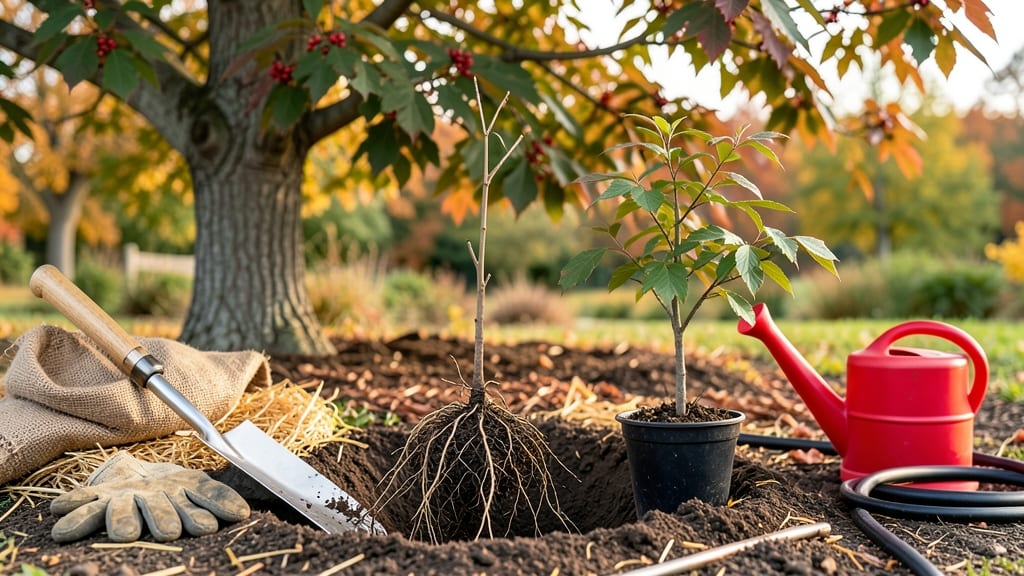
Best fall months to plant dogwood trees by USDA climate zones
Timing your dogwood tree planting in fall is all about beating the first hard freeze while giving roots time to establish before winter. In USDA zones 3–9, the ideal window spans from late September to early November, but exact months vary by region.
Cooler northern climates need earlier planting, while southern zones can extend into December. Understanding your local frost dates is key to avoiding transplant shock.
Dogwoods planted in fall benefit from soil warmth and reduced competition from weeds, but they must establish roots before the ground freezes. In zones 3–5, aim for late September to mid-October—before the first frost.
Zones 6–8 can plant until November 1st or later, while zones 9–10 may even plant in early December. Always check your average first frost date for precise timing.
| USDA Zone | Best Planting Month | Key Consideration | Frost Date Target |
|---|---|---|---|
| Zones 3–4 | Late September–Mid October | Plant 4–6 weeks before ground freezes | Before October 15 |
| Zones 5–6 | Late September–Early November | Avoid planting after first frost | Before November 1 |
| Zones 7–8 | October–Mid November | Soil stays workable longer | Before November 15 |
| Zones 9–10 | November–Early December | Milder winters allow later planting | Before December 10 |
Regional variations matter too. In the Pacific Northwest, where winters are wet and mild, you can plant dogwoods until late November in zones 7–8. Meanwhile, the Southern states (zones 8–10) often see frost-free winters, allowing planting into December.
However, even in warm climates, avoid planting too close to winter—roots need 6–8 weeks of growth before dormancy.
For bare-root dogwoods, which are most common in fall sales, plant as soon as possible after purchase. These trees establish roots faster than container-grown ones, making them ideal for late-season planting.
If you’re in zone 5 or colder and miss the fall window, wait until early spring (April–May) to plant, but expect slower initial growth compared to fall-planted trees.
Soil temperature is just as critical as air temperature. Dogwood roots need soil temps above 40°F (4°C) to grow. Use a soil thermometer to check—if temps drop below this, delay planting.
In northern zones, this might mean planting by mid-October, while southern zones can extend planting until December without risk.
Watering plays a crucial role in fall planting success. After planting, give your dogwood a deep watering to settle soil around roots, then maintain consistent moisture for the next 4–6 weeks.
In drought-prone areas like the Southwest, mulch heavily to retain moisture. Avoid overwatering, which can suffocate roots or cause fungal issues before winter.
One common mistake is planting too late in fall, leaving roots vulnerable to winter desiccation. If you’re unsure about your frost date, err on the side of earlier planting. For example, in zone 6, planting in late September is safer than waiting for October.
Use local weather forecasts and historical frost data to guide your decision—many extension services provide free frost date maps for your area.
Pro tip: If you’re in a transition zone (like zone 6b–7a), split the difference—plant in early to mid-October. This gives roots time to establish before winter while avoiding the risk of late-season frost.
Always choose a well-draining location with morning sun and afternoon shade to mimic dogwoods’ natural habitat and reduce stress during their first winter.
Finally, consider your dogwood’s variety. Some, like Cornus florida (flowering dogwood), are more cold-hardy and can handle earlier planting, while others may need slightly later windows. Check your tree’s tag or research its specific USDA zone range—this fine-tuning can make all the difference in survival rates.
How to prepare your dogwood tree for fall planting success
Fall planting gives your dogwood tree a crucial head start, allowing roots to establish before winter dormancy. The key to success lies in soil preparation, proper planting techniques, and smart aftercare.
Whether you're planting bare-root or container-grown dogwoods, these steps will set your tree up for vibrant spring blooms and strong growth.
Dogwoods thrive in acidic soil with a pH between 5.5 and 6.5. If your soil tests higher, amend it with sulfur or peat moss 4-6 weeks before planting.
This adjustment is critical—dogwoods struggle in alkaline soil, leading to nutrient deficiencies and poor root development. Pair this with well-draining soil to prevent waterlogged roots during fall rains.
⚠️ WARNING: Planting Too Late in Fall Can Kill Your Dogwood ⚠️
For bare-root dogwoods, soak roots in water for 1-2 hours before planting to rehydrate them. Dig a hole twice as wide as the root ball but only as deep. Place the tree so the root flare (where roots meet trunk) sits 1-2 inches above soil level. Backfill with native soil, tapping gently to remove air pockets.
Container-grown dogwoods require careful removal from pots. Gently squeeze the sides to loosen roots, then tease apart circling roots with your fingers. Plant at the same depth as the container, ensuring the root flare remains visible above soil.
This prevents stem rot and encourages upward growth. Water thoroughly after planting to settle the soil.
Mulching is non-negotiable for fall-planted dogwoods. Apply 3-4 inches of mulch (wood chips or shredded bark) in a 3-foot diameter circle around the base. Keep mulch 6 inches away from the trunk to prevent rot.
Mulch insulates roots, conserves moisture, and regulates soil temperature—critical for winter survival in USDA zones 3-6.
Watering shifts in fall: deep watering every 7-10 days is ideal, but reduce frequency as temperatures drop. Avoid soggy soil—dogwoods hate waterlogged roots. In drought-prone areas, water weekly until the first frost.
After ground freezes, cut back to monthly watering unless there's no snow cover. This balance prevents root suffocation while preparing the tree for dormancy.
Finally, avoid fertilizing in fall—dogwoods need to rest before winter. Wait until early spring to apply a balanced 10-10-10 fertilizer. This timing prevents new growth that could be damaged by frost. With these steps, your dogwood will emerge from winter strong and ready to bloom next spring. 🌳