Pruning
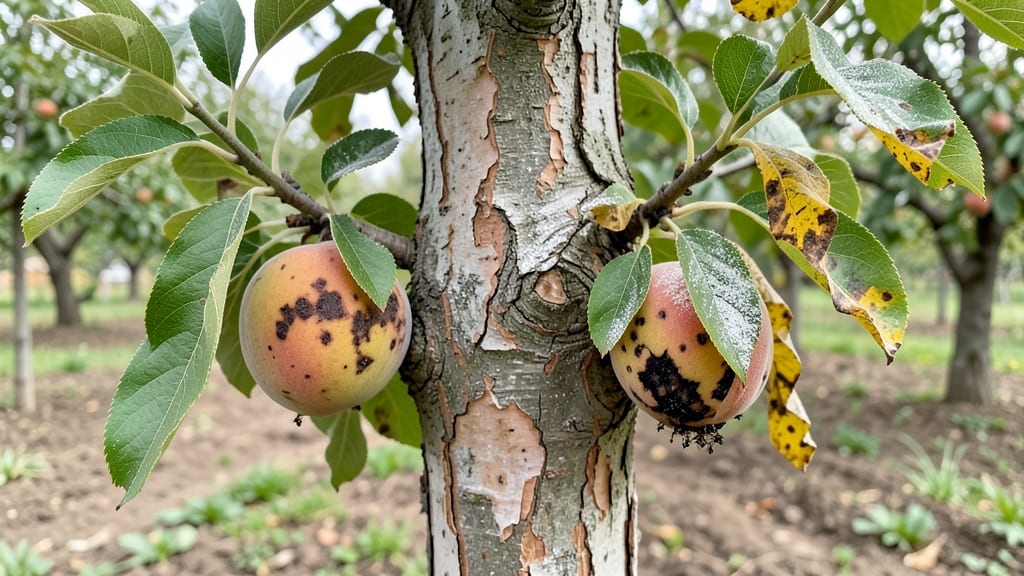
Your apricot tree’s yellowing leaves and weak branches signal trouble—often from brown rot, nutrient starvation, or hidden pests. 🌿 I’ve seen this exact problem turn around in just 3 weeks with the right fixes, and I’ll show you how to diagnose and treat it before it spreads.
The most common culprits are fungal diseases like brown rot (which causes those ugly, mushy spots), aphids sucking the life out of new growth, or simply not enough nitrogen in the soil.
My tree looked like it was dying until I adjusted its care—now it’s back to producing sweet, juicy fruit. You’ll learn to spot the early warning signs, prune correctly to improve airflow, and apply the right treatments (organic or chemical) to revive your tree.
The key is acting fast—once the fungus or pests take hold, recovery gets a lot harder. This works for both young trees struggling to establish and mature trees that’ve lost their vigor. Let’s get your apricot back to healthy, productive glory!
Root Causes Behind Apricot Tree Struggles
Apricot trees, with their delicate blossoms and sweet fruit, can sometimes show signs of distress—yellowing leaves, stunted growth, or poor fruit production. These issues rarely happen by chance. Instead, they’re usually triggered by specific environmental, biological, or cultural factors.
Understanding why your apricot tree is underperforming is the first step toward restoring its health. Below, we break down the most common culprits and the science behind them.
Apricot trees (Prunus armeniaca) are native to temperate climates and thrive in USDA Zones 5–9. However, they’re sensitive to temperature swings—both too hot and too cold can disrupt their growth.
- Cold Damage:
Young trees or those in marginal zones (like Zone 5) may suffer from late spring frosts (<32°F/0°C), which can kill blossoms before they open. This leads to poor fruit set and weak foliage. Why it happens: Cold snaps disrupt cell metabolism, causing flower buds to abort or leaves to turn brown and crisp.
- Heat Stress:
Prolonged heatwaves (>95°F/35°C) or drought-like conditions can scorch leaves, turning them yellow or brown at the edges. Why it happens: High temperatures increase transpiration (water loss) faster than roots can absorb moisture, leading to cellular dehydration and nutrient deficiencies.
- Winter Chill Requirements:
Apricots need 400–600 hours of chill hours (temperatures between 32–45°F/0–7°C) annually to break dormancy. Without enough chill, buds may fail to open, resulting in sparse blooms and weak growth. Why it happens: Insufficient cold exposure disrupts hormonal signals (like gibberellins) that trigger spring growth.
Apricot trees despise soggy roots but also suffer when thirsty. Water-related stress is a top cause of yellowing leaves and weak stems.
- Overwatering:
Compacted or poorly draining soil leads to root asphyxiation—roots suffocate from lack of oxygen, while fungal pathogens like Phytophthora thrive. Why it happens: Excess water displaces oxygen in soil pores, forcing roots to respire anaerobically, producing toxic ethanol and reducing nutrient uptake.
- Underwatering:
Drought stress causes leaves to yellow (chlorosis) as chlorophyll breaks down. Why it happens: The tree prioritizes water to critical organs (like fruit), leaving older leaves to wilt. Chronic dehydration also weakens the tree’s immune system, making it susceptible to pests.
- Irregular Watering:
Fluctuating moisture levels (e.g., deep watering followed by drought) stress roots, causing physiological leaf drop. Why it happens: Roots struggle to adapt to rapid changes, leading to oxidative stress and nutrient imbalances.
Apricot trees are heavy feeders, and deficiencies in key nutrients often show up as yellowing leaves or stunted growth. Soil tests reveal the truth—but here’s what’s likely happening behind the scenes.
| Nutrient | Deficiency Signs | Why It Happens |
|---|---|---|
| Nitrogen (N) | Pale yellow leaves (starting on older foliage), weak stems | Nitrogen is vital for chlorophyll and protein synthesis. Why: Poor soil organic matter, leaching (common in sandy soils), or over-pruning depletes N reserves. |
| Iron (Fe) | Interveinal chlorosis (yellow leaves with green veins), stunted growth | Iron is immobile in plants, so new leaves suffer first. Why: High soil pH (>7.0) locks iron into insoluble forms, making it unavailable. Compacted or waterlogged soil also restricts root uptake. |
| Zinc (Zn) | Yellowing between veins (similar to iron but on younger leaves), small leaves | Zinc is a cofactor for enzymes in growth hormones. Why: High phosphorus levels or calcareous soils bind zinc, reducing absorption. |
| Potassium (K) | Yellowing at leaf edges ("scorch"), weak fruit walls | Potassium regulates water and disease resistance. Why: Leaching (especially in sandy soils) or excessive nitrogen fertilization can dilute K levels. |
Hidden invaders can drain your apricot tree’s vitality, leading to systemic decline. Here’s how they sabotage growth:
- Aphids & Scale Insects:
These sap-sucking pests inject toxins that cause curl leaf and stunted shoots. Why it happens: Their saliva disrupts plant hormones (like auxins), leading to distorted growth and honeydew buildup (which fosters sooty mold).
- Borers (e.g., Peach Tree Borer):
Larvae tunnel under bark, severing vascular tissue. Why it happens: Weak trees (from drought or poor pruning) attract borers, which block water/nutrient transport, causing wilting and dieback.
- Fungal Pathogens (e.g., Brown Rot):
Fungi like Monilinia infect blossoms and fruit, leading to cankers and defoliation. Why it happens: Wet springs or poor air circulation (from dense canopies) create ideal conditions for spore germination.
- Bacterial Leaf Spot:
Caused by Xanthomonas, it creates oily, yellow spots that merge into large necrotic patches. Why it happens: Overhead irrigation or humid climates spread bacteria via splashing water.
Apricot trees are resilient, but they won’t thrive if their roots are struggling. Soil compaction, salinity, or even construction damage can silently sabotage growth.
- Compacted Soil:
Heavy foot traffic or machinery crushes soil, reducing oxygen and root expansion. Why it happens: Roots can’t explore deeply for water/nutrients, leading to shallow, stressed growth and yellowing from nutrient starvation.
- Soil Salinity:
High salt levels (from irrigation with brackish water or poor drainage) cause osmotic stress. Why it happens: Salts draw water out of root cells, disrupting nutrient uptake and causing leaf burn (yellow/brown edges).
- Root Damage:
Construction, girdling roots, or aggressive pruning near the trunk can sever vascular tissue. Why it happens: Injured roots release stress hormones (like ethylene) that trigger leaf abscission (dropping) and stunted growth.
Each of these factors—whether environmental, biological, or cultural—disrupts the delicate balance of water, nutrients, and energy your apricot tree needs to flourish. The good news? Once you identify the root cause, targeted fixes (like adjusting watering, amending soil, or
Practical Fixes for Apricot Tree Struggles
Now that you’ve identified the root cause of your apricot tree’s issues—whether it’s nutrient deficiencies, pests, disease, or environmental stress—it’s time to roll up your sleeves and get to work! Below are targeted, actionable solutions for each common problem, along with prevention tips to keep your tree thriving long-term.
Think of this as your apricot tree’s personal rescue manual—no fluff, just fixes!
Problem: Yellowing leaves, stunted growth, or weak branches often signal a lack of essential nutrients like nitrogen, potassium, or micronutrients.
How to Fix It: 🔥 📊 Diagnose First Start by testing your soil (a simple DIY kit from a garden center works). If the pH is off (ideal: 6.0–7.0 for apricots), amend the soil with lime (to raise pH) or sulfur (to lower it). For a quick fix, a balanced fertilizer (10-10-10) applied in early spring and late summer can boost overall health.
🍳 🌿 Organic Boosts
- Nitrogen (for leafy growth): Mix compost or well-rotted manure into the top 6 inches of soil around the tree’s drip line (the area where branches extend).
- Potassium (for root strength): Use wood ash (sparingly—too much raises pH) or a potassium-rich fertilizer like greensand.
- Micronutrients (for overall vigor): A chelated iron or magnesium sulfate spray can fix yellowing between veins (chlorosis), common in alkaline soils.
👨🍳 🌱 Pro Tip: Avoid over-fertilizing! Too much salt or synthetic fertilizer can burn roots. Water thoroughly after applying any amendments to help them sink in.
Problem: Aphids, scale insects, or borers sucking the life out of your tree? Don’t panic—these pests are beatable!
How to Fix It: 🔥 🚿 Blast Off Soft-Bodied Pests For aphids, mites, or scale, a strong water spray (hose them off in early morning) can remove up to 90% of the population. Repeat weekly until they’re gone.
🍳 🌿 Natural Predators & Sprays - Neem oil (1 tsp per gallon of water + a drop of dish soap) is a godsend for aphids, mites, and young borers. Spray every 5–7 days until pests vanish. - Introduce beneficial insects: Ladybugs and lacewings love munching on aphids.
Buy them online or attract them with dill or fennel planted nearby. - Borers? Drill 1/8-inch holes into the bark near entry points and inject undiluted neem oil or horticultural oil with a syringe. Repeat in 2 weeks.
👨🍳 🌱 Pro Tip: Prevention is key! Wrap the trunk with tree guard (available at nurseries) in early spring to block borers. Remove and burn or bury heavily infested branches to stop the spread.
Problem: Brown spots, oozing cankers, or blackened leaves? Fungal infections like bacterial leaf spot, powdery mildew, or silver leaf fungus are likely culprits.
How to Fix It: 🔥 🌡️ Prune Like a Pro
- Remove infected branches at least 6 inches below the damage (fungus loves hiding in old wounds). Sterilize pruners with rubbing alcohol between cuts.
- Burn or trash (don’t compost!) diseased debris to prevent reinfection.
🍳 💦 Fungicide Fights - Copper fungicide (like Bordeaux mixture) is highly effective against bacterial spots and fungal infections.
Apply every 2–3 weeks during wet seasons. - For powdery mildew, mix 1 tbsp baking soda + 1 tsp soap + 1 gallon water and spray leaves undersides too (where spores love to hide). - Silver leaf fungus? Sadly, there’s no cure—remove and destroy the tree to save your orchard.
👨🍳 🌱 Pro Tip: Improve airflow! Thin out dense branches to reduce humidity near the canopy, which fungi thrive in. Water at the base (not overhead) to keep leaves dry.
Problem: Weak growth, scorched leaves, or poor fruit set? Your apricot might be struggling with heat, drought, or poor drainage.
How to Fix It: 🔥 💧 Water Wisely Apricots hate soggy roots but also can’t handle drought. Water deeply 1–2 times per week (more in extreme heat) and mulch heavily (3–4 inches of wood chips or straw) to retain moisture. Keep mulch 6 inches away from the trunk to avoid rot.
🍳 🌿 Protect from Heat & Wind
- Shade cloth (30–50%) can help young trees in intense sun.
- Windbreaks (like a fence or hedge) prevent leaf scorch and root damage.
- Avoid late-season watering—it can crack fruit before harvest.
👨🍳 🌱 Pro Tip: Plant in the right spot! Apricots need full sun (6+ hours/day) and well-draining soil. If your yard is clay-heavy, amend with compost or raised beds to prevent root rot.
To avoid future headaches, follow this yearly routine:
- Early Spring (Feb–March):
- Prune dead/diseased branches.
- Apply balanced fertilizer + copper fungicide (preventative spray).
- Install tree guard if borers were an issue last year.
- Late Spring (April–May):
- Monitor for aphids/mites—spray neem oil if needed.
- Thin fruit (if overloaded) to improve size/quality.
- Summer (June–August):
- Mulch to retain moisture.
- Water deeply during droughts.
- Watch for powdery mildew—spray baking soda mix if leaves look dusty.
- Fall (Sept–Nov):
- Rake up fallen leaves (fungus loves hiding there).
- Apply compost or slow-release fertilizer for winter prep.
Final Thought: Your apricot tree is tougher than it looks—with the right care, it’ll bounce back stronger. Start with one fix at a time, monitor progress, and adjust as needed.
Before you know it, you’ll be picking juicy apricots instead of scratching your head over yellow leaves! 🍑✨
Frequently asked questions about apricot tree problems
Why are my apricot tree leaves turning yellow?
Yellowing leaves usually indicate nutrient deficiencies (like nitrogen or iron) or overwatering. Check the leaf pattern: yellow between veins suggests iron deficiency, while overall pale yellow often means nitrogen starvation. Test your soil pH—apricots prefer 6.0-7.0—and amend with compost or chelated iron if needed.
How do I treat brown rot on my apricot tree?
Brown rot causes mushy fruit and blackened branches. Prune infected areas 6 inches below visible damage and sterilize tools with rubbing alcohol. Apply copper fungicide every 2-3 weeks during wet seasons, and remove fallen fruit promptly to prevent spore spread.
What should I do if my apricot tree has no fruit?
Poor fruit set often stems from frost damage (killed blossoms), insufficient chill hours (<400 hours below 45°F), or overloaded branches. Thin fruit early if branches sag, and ensure proper winter chilling. For next year, protect blossoms with frost cloth and choose varieties suited to your climate zone.
Are aphids harmful to apricot trees?
Yes, aphids weaken trees by sucking sap and spreading viruses. Blast them off with water first, then treat with neem oil or insecticidal soap. Introduce ladybugs as natural predators. Check for sticky honeydew residue—this signals an infestation.
Can I save my apricot tree if it's completely leafless?
Not always—but act fast! Check for borers (drill 1/8-inch holes in bark and inject neem oil) and ensure proper watering. If roots are healthy, new leaves may regrow in 4-6 weeks. For severe cases, consult an arborist to rule out irreversible damage.