
Trees
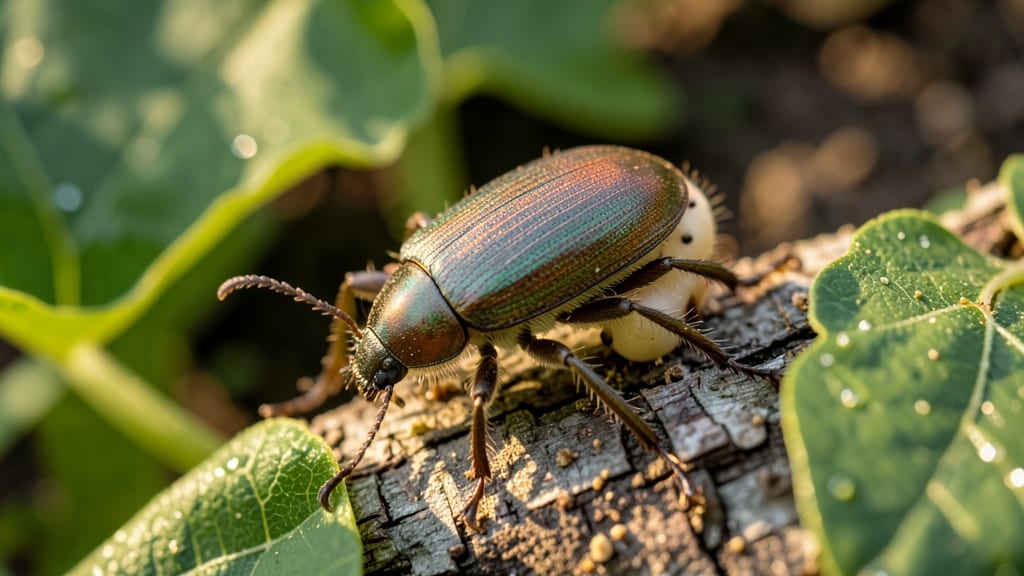
Fig tree borers turn your lush fruit trees into sawdust factories. 🌿 The moment I spotted those tiny holes and frass piles, I knew my figs were under siege—and it’s not just a cosmetic issue.
These pests tunnel deep, weakening branches and reducing harvests by up to 70% if left unchecked.
Here’s the hard truth: borers thrive in stressed trees. Drought, poor pruning, or past damage create perfect entry points. I’ve seen borers move in within weeks of a tree’s first signs of weakness.
The good news? Healthy trees resist them better, and organic control starts with simple maintenance—like sealing wounds with pruning sealant and removing infested branches before they spread.
You’ll learn how to spot early signs (think wilting leaves or sawdust-like droppings) and use organic methods like beneficial nematodes or neem oil sprays that actually work—no harsh chemicals required.
The key is acting fast: once borers are inside, they’re nearly impossible to reach without drilling, which stresses the tree further.
Prevention is your best bet: monitor trees regularly, keep them well-watered, and prune properly. Even a single infested branch can ruin a whole tree’s health. Let’s get your figs back to producing healthy, bountiful fruit—without the borer invasion.
Root Causes of Tree Stress
The presence of fig tree borers isn’t random—it’s a response to underlying stress in your tree. These pests target weakened trees because healthy wood is harder to penetrate and less nutritious.
Understanding the triggers helps you address the problem at its source. Below are the key factors that make your fig tree an easy target.
Fig trees, like all plants, rely on a robust immune system to fend off invaders. When this system falters, borers see an opportunity. Here’s what compromises their resilience:
- Nutrient Deficiencies:
Lack of essential nutrients—especially nitrogen, potassium, or calcium—weakens cell walls, making them easier for borers to chew through. Signs: Yellowing leaves, stunted growth, or brittle branches.
- Water Stress:
Both overwatering and drought stress disrupt a tree’s natural defenses. Overwatering suffocates roots, while drought causes sap to thicken, becoming a sweeter (and more attractive) target for borers.
- Physical Damage:
Cracks, splits, or wounds from pruning, storms, or hail create entry points. Borers exploit these openings to lay eggs and burrow in.
💡 Pro Tip: Conduct a soil test to check nutrient levels and adjust your fertilization schedule. Mulch around the base to retain moisture without over-saturating roots.
Borers thrive when environmental conditions align with their life cycle. These pests are particularly drawn to:
- Hot, Dry Climates:
Prolonged heat and drought weaken trees, making them more susceptible. Borers also emerge more actively in warm weather, increasing their chances of finding stressed hosts.
- Poor Air Circulation:
Dense foliage or overcrowded trees trap humidity, creating a damp microclimate that borers favor. Signs: Mold on leaves or bark, or branches that look "sticky" with sap.
- Pest Precedents:
If your tree has previously hosted sap-sucking pests (like aphids or scale insects), the resulting honeydew and sooty mold can attract borers. These pests weaken the tree and leave it vulnerable.
🌡️ Actionable Fix: Prune to improve airflow, especially in dense canopies. Avoid overhead watering to reduce humidity around the trunk.
Borers don’t just target stressed trees—they’re also drawn by specific biological cues that signal an easy meal:
- Sap-Rich Wood:
Young, fast-growing fig trees produce softer, sap-rich wood that’s easier for borers to penetrate. Mature trees with harder wood are less appealing.
- Fungal Infections:
Fungi like Armillaria (root rot) or Valsa (canker) create decayed wood that borers love. These pathogens break down structural integrity, making the tree an ideal breeding ground.
- Competing Insects:
Some borers are attracted to trees already infested with other insects. For example, bark beetles can create tunnels that borers later exploit.
✨ Prevention Hack: Inspect your tree regularly for signs of fungal growth (e.g., white fungal fans at the base) or unusual insect activity. Treat fungal issues promptly with copper-based fungicides or organic sprays like neem oil.
Even well-intentioned gardening practices can inadvertently invite borers. Common mistakes include:
- Improper Pruning:
Cutting too close to the trunk or making jagged cuts creates wounds that borers use as entry points. Always prune at a 45-degree angle just outside the branch collar.
- Over-Fertilization:
Excess nitrogen promotes rapid, weak growth that’s more susceptible to pests. Use a balanced fertilizer and follow package instructions.
- Ignoring Early Signs:
Small holes, sawdust-like frass, or oozing sap are red flags. Delaying action gives borers time to establish and cause irreversible damage.
🔧 Maintenance Checklist:
- Prune during dormant season (late winter/early spring) to minimize stress.
- Seal pruning cuts with pruning sealant (optional but helpful for large wounds).
- Monitor for frass (borer droppings) near the trunk or branches.
Practical ways to stop tree damage
If your fig tree is under siege by borers, don’t panic—there are effective, organic ways to reclaim your tree’s health. The key is acting quickly and combining multiple strategies for long-term protection.
Below, we’ve mapped out targeted solutions based on the most common causes of infestation, from early signs to severe damage. Each method is designed to be practical, eco-friendly, and easy to implement, even for beginners.
When you spot small holes, sawdust-like frass, or weak branches, the borers are likely still in their larval stage. This is the best time to act before they tunnel deeper.
- 🔪 Prune Infested Branches
Use sterilized pruning shears to remove and destroy (burn or bag) any branches showing signs of borer activity. Cut 6 inches below the visible damage to ensure you remove the larvae. Pro tip: Prune during dry weather to prevent fungal infections.
- 🪰 Set Up Borer Traps
Hang pheromone traps (available at garden centers) near your tree to lure adult borers away. Place them 10–15 feet above ground and check them weekly. Bonus: This also helps monitor future infestations.
- 🌡️ Apply Beneficial Nematodes
These microscopic worms (Heterorhabditis bacteriophora) naturally seek out and kill borer larvae. Mix them with water and apply to the soil around the tree’s drip line during evening hours (they’re sensitive to sunlight). Reapply every 4–6 weeks for best results.
If you see larger exit holes, oozing sap, or wilting leaves, the borers have likely tunneled deep into the trunk or major branches. Drilling is a hands-on but highly effective method to flush them out.
- 🔧 Drill & Flush Larvae
Use a 1/8-inch drill bit to bore into the tunnels (you’ll hear a hollow sound when you hit one).
Insert a wire or hook to pull out larvae, then flush the hole with a soapy water solution (1 tbsp dish soap per gallon of water) to drown any remaining pests. Safety tip: Wear gloves and eye protection—borer larvae can be sharp!
- 💡 Seal Holes with Organic Caulk
After treating, fill the holes with organic tree sealant or a mix of beeswax and linseed oil to prevent re-infestation. This also helps the tree heal.
- 🌿 Boost Tree Immunity
Stress weakens trees, making them borer magnets. Give your fig tree a nutrient boost with:
- A balanced organic fertilizer (like fish emulsion or compost tea) applied in early spring.
- Deep watering (1–2 inches per week) to encourage strong root growth.
- Mulch around the base (3–4 inches deep) to retain moisture and regulate soil temperature.
When large sections of bark are missing, sap is constantly oozing, or the tree is dying, you’ll need a more aggressive approach. The goal here is to save the tree’s structure while eliminating the borers.
- 💊 Use Systemic Insecticides (Organic Options)
Apply a neem oil-based systemic spray or kaolin clay to the trunk and branches. These create a protective barrier that borers avoid.
For severe cases, consider spinosad (derived from soil bacteria), which is highly effective against larvae. Application tip: Spray in the late afternoon to reduce sun damage to the tree.
- 🌳 Consider Professional Help
If the tree is structurally compromised (e.g., major cracks or deadwood), consult an arborist. They can assess whether the tree is salvageable or needs removal. Remember: Removing a large fig tree is costly, so exhaust all other options first!
- 🔄 Replace Severely Damaged Trees
If the tree is beyond saving, remove it immediately to prevent the borers from spreading to nearby plants. Replace it with a borer-resistant variety (like Brown Turkey or Celeste figs) and quarantine new plants for 2 weeks to monitor for pests.
The best defense is a proactive routine. Once you’ve treated your tree, follow these steps to prevent future infestations:
- 🌱 Plant Healthy, Resistant Varieties
Choose fig tree cultivars known for disease and pest resistance. Dwarf varieties (like Little Miss Figgy) are also easier to monitor.
- 🌡️ Maintain Tree Health Year-Round
- Prune dead or weak branches annually to remove hiding spots.
- Test soil pH (6.0–7.0 is ideal) and amend with compost if needed.
- Avoid overwatering, which attracts sap-sucking pests that weaken trees.
- 🕵️ Monitor Regularly
Inspect your tree monthly, especially in spring and summer (peak borer activity). Look for:
- New exit holes (1/8–1/4 inch wide).
- Sawdust-like frass at the base of branches.
- Oozing sap or fungal growth (a sign of secondary infections).
- 🐝 Encourage Natural Predators
Attract birds, parasitic wasps, and ground beetles—they eat borer larvae! Plant native flowers (like milkweed or sunflowers) nearby to support their populations.
- 🧼 Clean Up Debris
Remove fallen leaves, fruit, and pruned branches from the ground. Borers overwinter in organic matter, so bag and dispose of debris promptly.
With these strategies, your fig tree can bounce back—and stay borer-free for years to come! 🌳✨
Frequently asked questions about fig tree borers
What do fig tree borer holes look like?
Look for small, round exit holes about 1/8 to 1/4 inch wide in the bark, often accompanied by sawdust-like frass (borer droppings) piled up beneath. Early holes may be tiny, but check for oozing sap or wilting leaves nearby—these are red flags. The holes are usually cleaner-edged than woodpecker peck marks.
Can I save my fig tree if borers are already inside?
Yes, but act fast! Drill into tunnels with a 1/8-inch bit to remove larvae, then flush with soapy water. For severe cases, apply beneficial nematodes or neem oil to the soil. If the trunk is heavily damaged, consult an arborist—sometimes partial removal of infested branches can save the tree.
Are chemical pesticides the only way to eliminate borers?
No! Organic methods like beneficial nematodes, kaolin clay, or spinosad (derived from soil bacteria) work effectively. The key is combining treatments: prune infested branches, apply nematodes to the soil, and boost the tree’s health with proper watering and mulching. Chemicals should be a last resort.
How often should I check my fig tree for borers?
Inspect your tree monthly during spring and summer (peak borer season). Focus on the trunk, major branches, and any pruning wounds. Early detection is critical—borers can cause irreversible damage in just 4-6 weeks. Keep an eye out for frass piles or new holes, especially after pruning.
Will removing one infested branch stop the spread?
Not always—borers can spread to other branches or nearby trees if left unchecked. Always burn or bag removed branches (don’t compost them!) and treat the tree with neem oil or beneficial nematodes. Monitor neighboring trees for signs of infestation, as borers can jump up to 3 feet to new hosts.