
Leaf Blower
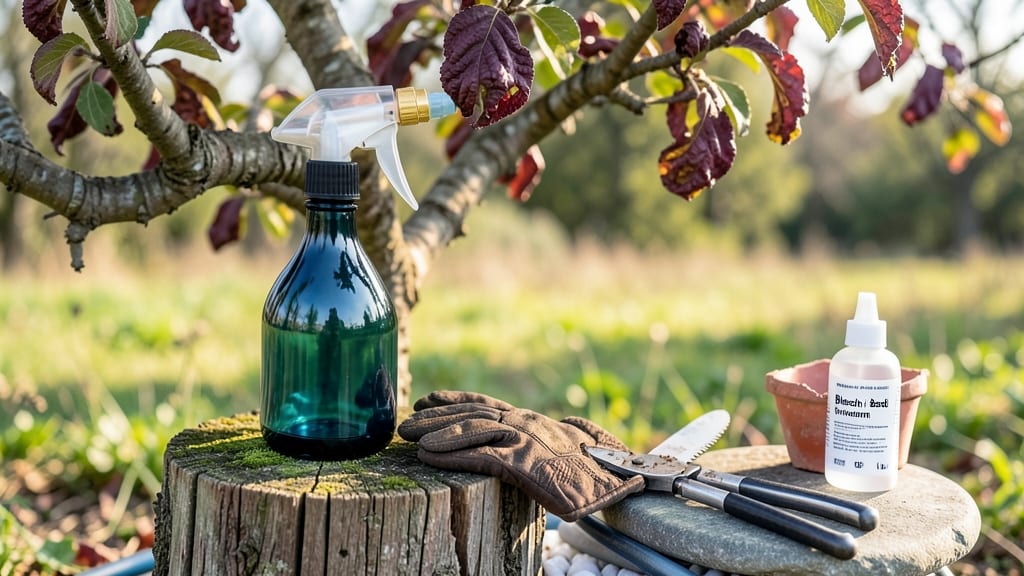
An apple tree leaf curl treatment turns your spring blossoms into blotchy, curled messes before they even open. 🌿 I’ve seen this disease ruin entire harvests, but the right fungicide spray can stop it in its tracks—if you catch it early and apply it correctly.
The key is timing: you need to spray before the buds swell, not after the damage appears.
Most gardeners make two big mistakes: waiting too long to treat or using the wrong spray. Copper-based fungicides work best when applied as a dormant spray in late winter, followed by a second application just before petals appear.
Organic options like neem oil can help too, but they’re less reliable for severe cases. Prune out infected branches in fall or early spring to reduce spores for next year.
With the right treatment, you’ll see fewer curled leaves and more healthy blossoms by early summer. The trees won’t just look better—they’ll produce stronger fruit with fewer deformities. Plus, once you establish a routine, the disease becomes manageable, not a seasonal nightmare.
If you’re dealing with partial recovery or recurring infections, we’ll cover troubleshooting later—but first, let’s focus on the fastest way to stop the damage before it spreads. Trust me, your tree (and your patience) will thank you.
Root Causes Of Leaf Curl
Understanding why apple tree leaves curl is the first step to preventing this unsightly—and potentially damaging—issue. Leaf curl in apple trees is primarily caused by a combination of pathogenic fungi, environmental stress, and poor cultural practices.
Below, we break down the key culprits and the science behind them so you can address the problem at its source.
The most common cause of leaf curl in apple trees is Venturia inaequalis, the fungus responsible for apple scab, a devastating disease that thrives in moist, cool conditions. Here’s how it works:
- Spores Overwinter: The fungus survives winter in infected leaves, buds, or cankers on the tree.
When spring arrives, these spores release and infect new leaves as they emerge. - Moisture Spreads Infection: High humidity (above 75%) and frequent rainfall create the perfect environment for spores to germinate and penetrate leaf tissues.
Within days, dark, blotchy lesions form, and leaves curl upward to reduce exposure to light. - Systemic Damage: If left untreated, the fungus can weaken the tree by reducing photosynthesis, leading to stunted growth, poor fruit production, and even tree decline.
💡 Pro Tip: Fungal spores can travel up to 100 feet on wind or splashing water, so infected trees in your neighborhood may pose a risk to your own.
Not all leaf curl is caused by fungi—environmental stressors can also trigger curling, though the symptoms may look different. Common triggers include:
- Temperature Fluctuations: Rapid shifts between hot and cold temperatures (especially late frosts) can shock young leaves, causing them to curl or pucker.
This is more common in spring when buds are breaking but nights are still chilly. - Water Stress: Both overwatering and drought can stress apple trees. Overwatering leads to poor drainage and root rot, while drought causes leaves to curl inward to conserve moisture.
Check the soil moisture by sticking your finger 2-3 inches deep—if it’s dry, it’s time to water. - Wind or Physical Damage: Strong winds or hail can bruise leaves, causing them to curl or distort as they heal.
This is often temporary but can make trees more susceptible to fungal infections afterward.
🌡️ Watch For: Leaf curl due to environmental stress is usually uniform (affecting all leaves similarly) rather than patchy, as with fungal infections.
Apple trees require a balanced diet of macronutrients (nitrogen, phosphorus, potassium) and micronutrients (iron, zinc, magnesium) to thrive. Deficiencies can manifest as leaf curling, often accompanied by other symptoms like discoloration or stunted growth:
| Nutrient Deficiency | Leaf Symptoms | How to Fix It |
|---|---|---|
| Nitrogen (N) | Yellowing between leaf veins (chlorosis) | Apply a balanced fertilizer (10-10-10) in early spring. |
| Magnesium (Mg) | Interveinal yellowing (older leaves first) | Use Epsom salt (1 tbsp per gallon of water) as a foliar spray. |
| Potassium (K) | Brown, curled edges (scorch-like) | Add wood ash or a potassium-rich fertilizer (like 0-0-50). |
| Iron (Fe) | Pale green/yellow leaves (young leaves) | Apply chelated iron or adjust soil pH (iron is less available in alkaline soil). |
💪 Actionable Fix: Conduct a soil test (available through local extension offices) to identify specific deficiencies before amending the soil.
Improper pruning or physical trauma can also lead to leaf curl, though the effects are usually localized to damaged areas:
- Over-Pruning: Cutting too aggressively (especially in late winter or early spring) can stress the tree, leading to abnormal leaf growth.
Always prune during dormant season (late fall or early winter) to minimize stress. - Tool Damage: Jagged cuts from dull pruners can tear bark and expose the tree to bacterial or fungal infections, which may cause curling in nearby leaves. - Animal or Insect Damage: Chewing insects (like apple leafcurling midge larvae) or wildlife (deer, rabbits) can physically deform leaves, leading to curling.
✨ Preventative Tip: Sterilize pruning tools with rubbing alcohol between cuts to prevent spreading pathogens, and avoid heavy pruning during active growth periods.
A tree that’s already struggling is more vulnerable to leaf curl, whether from fungal infections or environmental stress.
Weakened trees often result from: - Competition from Grass/Weeds: Roots compete for water and nutrients, leaving the tree malnourished. - Improper Planting: Planting too deep (girdling roots) or in low-lying areas (poor drainage) can stunt growth. - Pests or Diseases: Previous infestations (like aphids or fire blight) can leave trees weakened and more susceptible to secondary issues like leaf curl.
🎯 Long-Term Solution: Focus on tree health with:
- Mulching (2-4 inches of organic mulch, kept away from the trunk).
- Regular deep watering (1-2 inches per week).
- Annual fertilization based on soil test results.
Fixing Leaf Curl in Apple Trees
Apple tree leaf curl can be frustrating, but with the right approach, you can restore your tree’s health and prevent future outbreaks. Below are practical, step-by-step solutions tailored to the most common causes—fungal infections, environmental stress, and poor care—along with prevention tips to keep your tree thriving.
If leaf curl is caused by Venturia inaequalis (apple scab) or other fungi, fungicide treatments are your best defense.
🔥 Step 1: Choose the Right Fungicide
Use copper-based fungicides (like Bordeaux mixture) or organic options such as:
- Neem oil (early-stage treatment)
- Potassium bicarbonate (safe for organic gardens)
- Sulfur sprays (for severe cases)
Pro Tip: 💡 Timing is key! Apply fungicides before bud break (late winter/early spring) and every 7–14 days during rainy seasons.
👨🍳 Step 2: Apply Properly
- Mix thoroughly (follow label instructions).
- Spray undersides of leaves (fungi love hiding there!).
- Cover the trunk & branches to prevent reinfection.
- Reapply after rain (water washes away fungicides).
🌡️ Step 3: Improve Airflow
- Prune dense branches to reduce humidity.
- Space trees 15–20 ft apart for better airflow.
Prevention Tip: ✨ Clean up fallen leaves—they harbor fungal spores!
If leaf curl stems from winter damage or late frosts, your tree needs gentle recovery care.
🌿 Step 1: Mulch & Water
- Add 2–3 inches of mulch around the base (but not touching the trunk).
- Water deeply in early spring to encourage new growth.
🍎 Step 2: Avoid Late Pruning
- Wait until late spring (after blossoms fade) to prune damaged branches.
- Remove only dead/diseased wood—healthy branches will regrow.
Pro Tip: 🔥 Use frost cloth in late winter if freezing temps are forecasted!
🌡️ Step 3: Fertilize Lightly
- Apply a balanced 10-10-10 fertilizer in early spring to boost recovery.
- Avoid nitrogen-heavy fertilizers—they stress the tree further.
Nutrient deficiencies (like magnesium or zinc) can weaken leaves, making them curl.
📊 Step 1: Test Your Soil
- Use a DIY soil test kit or send a sample to a local extension office.
- Fix deficiencies with:
- Epsom salt (magnesium sulfate) for yellowing leaves.
- Zinc sulfate for stunted growth.
🥗 Step 2: Improve Drainage
- Amend clay soil with compost or sand.
- Avoid waterlogging—apple trees hate "wet feet."
Prevention Tip: 🎯 Plant companion crops (like clover) to naturally enrich soil!
💪 Step 3: Use Organic Boosters
- Compost tea (for micronutrients).
- Fish emulsion (for slow-release nitrogen).
If aphids, mites, or scale insects are sucking sap, leaves curl as a defense.
🔪 Step 1: Blast Off Pests
- Spray with soapy water (1 tbsp mild soap + 1 quart water).
- Introduce beneficial insects (ladybugs, lacewings).
🚫 Step 2: Avoid Harsh Chemicals
- Neem oil works well against soft-bodied pests.
- Horticultural oil smothers scale insects.
Pro Tip: 🌡️ Check leaves daily—early detection = easier treatment!
To keep leaf curl away for good: ✅ Prune in late winter (before buds swell). ✅ Apply fungicide preventatively (2–3 times per season). ✅ Monitor for pests weekly. ✅ Keep soil moist but not soggy. ✅ Remove & destroy infected leaves (don’t compost them!).
With these targeted fixes, your apple tree will bounce back stronger—and you’ll enjoy healthy leaves and bountiful harvests in no time! 🍏🌿
Frequently asked questions about apple tree leaf curl
Can I still harvest fruit from an apple tree with leaf curl?
You can harvest fruit, but the quality may be affected. Severe leaf curl reduces photosynthesis, leading to smaller or misshapen fruit. If the disease is fungal (like apple scab), the fruit itself may develop scab lesions, making it less appealing. Focus on treating the tree next season to improve fruit quality.
How do I tell if leaf curl is fungal or caused by environmental stress?
Fungal leaf curl (like apple scab) shows dark blotches on curled leaves, often starting at the edges. Environmental stress causes uniform curling without spots, usually affecting all leaves similarly. Check for other signs: fungal infections often appear patchy, while stress-related curling is more widespread.
Is it safe to compost leaves with leaf curl?
Never compost infected leaves! Fungal spores survive composting and can reinfect your tree. Instead, bag and discard them in yard waste or burn them (if allowed in your area). This breaks the disease cycle and protects next year’s growth.
Can I use household items like vinegar or baking soda to treat leaf curl?
While baking soda (mixed with water and a little soap) can help as a preventative fungicide, it’s not as effective as dedicated fungicides for severe cases. Vinegar is too harsh and can damage leaves. For best results, use copper-based sprays or organic fungicides like potassium bicarbonate.
Will pruning alone fix leaf curl?
Pruning helps by removing infected branches, but it’s not a complete solution. You must combine it with fungicide treatments and proper tree care. Focus on dormant-season pruning (late winter) to reduce fungal spores, then apply preventative sprays in early spring for best results.