
Pruning
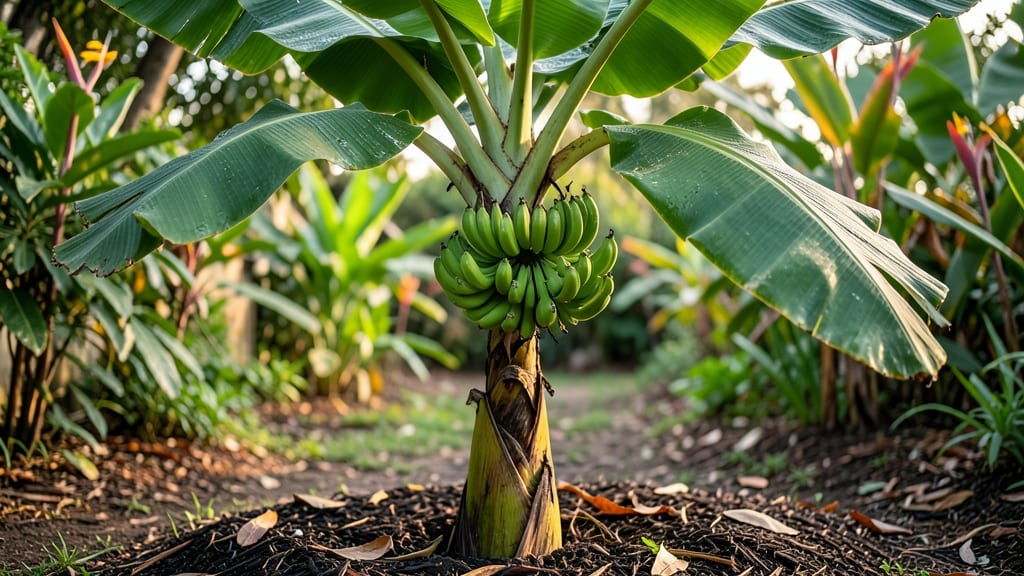
A banana tree’s weight can reach hundreds of pounds—far more than most gardeners realize—and that weight is what determines whether your plant thrives or topples over.
Did you know a mature banana tree can weigh over 1,000 pounds—yet its roots and fruit alone account for most of that? Understanding your banana tree’s weight isn’t just trivia; it’s the key to preventing structural failure, soil collapse, and even property damage.
Heavy fruit bunches, combined with a tall, top-heavy pseudostem, create a recipe for disaster if your tree isn’t properly supported. Without the right staking or pruning, you risk snapped stems, uprooted plants, or even damage to nearby structures.
In this guide, I’ll break down how much your banana tree weighs at each stage, when to reinforce supports, and how to choose lighter varieties if space or soil strength is a concern.
How much does a banana tree weigh by growth stage?
Understanding your banana tree’s weight by growth stage helps you anticipate support needs and prevent structural damage. A juvenile banana tree weighs just 5–20 pounds, but as it matures, its weight skyrockets—especially when bearing fruit.
The pseudostem alone (the tree’s "trunk") can weigh 100–300 pounds in mature varieties like Grand Nain, while the roots and fruit add even more stress.
Most home gardeners focus on the visible fruit, but the roots (which spread 3–6 feet wide) and leaf canopy contribute significantly to the total weight.
For example, a single Dwarf Cavendish leaf can weigh 2–5 pounds, and a mature tree may have 20–40 leaves at peak growth. This adds up quickly!
Here’s a breakdown of weight distribution by growth stage, including dwarf vs. giant varieties:
| Growth Stage | Pseudostem Weight | Root System Weight | Leaf Canopy Weight | Fruit Bunch Weight | Total Tree Weight |
|---|---|---|---|---|---|
| Juvenile (0–1 year) | 5–20 lbs | 10–30 lbs | 10–25 lbs | 0 lbs (no fruit) | 25–80 lbs |
| Flowering (1–2 years) | 50–150 lbs | 80–150 lbs | 50–100 lbs | 20–50 lbs (immature fruit) | 200–450 lbs |
| Fruiting (2+ years, Dwarf Cavendish) | 100–200 lbs | 150–250 lbs | 100–200 lbs | 50–100 lbs (ripe fruit) | 400–750 lbs |
| Fruiting (2+ years, Grand Nain) | 200–300 lbs | 300–500 lbs | 200–300 lbs | 100–200 lbs (ripe fruit) | 800–1,300 lbs |
A juvenile banana tree (0–1 year old) is lightweight, but its rapid growth means you’ll need to monitor support as it enters the flowering stage. During this phase, the pseudostem thickens dramatically, and the root system expands aggressively to anchor the plant.
For Dwarf Cavendish varieties, this means your tree could reach 400–750 pounds when fully fruited, while Grand Nain or Red Dacca varieties can exceed 1,000 pounds.
The fruit bunch is often the most visible weight, but it’s only part of the story. A single Grand Nain bunch can weigh 50–100 pounds, and if left unharvested, the weight can cause the pseudostem to split or the tree to lean dangerously.
I’ve seen home gardeners accidentally break stakes because they underestimated how much a single bunch adds to the tree’s total load.
If you’re growing dwarf varieties like Dwarf Cavendish or Lady Finger, the weight is more manageable, but even these can reach 400–600 pounds at maturity. The key is to harvest fruit in stages rather than letting the entire bunch ripen at once.
This prevents the pseudostem from bearing too much weight at once, reducing the risk of structural failure.
For giant varieties, like Ice Cream Banana or Red Dacca, the stakes (or lack thereof) can mean the difference between a thriving tree and a collapsed one. These varieties can produce bunches weighing 100+ pounds, and their pseudostems can reach 30 feet tall. Without proper support
Banana tree weight limits: when to reinforce support structures
When your banana tree starts producing heavy bunches of fruit, the weight can become a serious concern. A single Red Dacca banana bunch can weigh 50-100 pounds, while the entire tree—including pseudostem and roots—can exceed 1,000 pounds at maturity.
Without proper support, this weight can cause the tree to topple, snap, or even damage nearby structures like fences or walls.
Most gardeners overlook the soil bearing capacity and structural support needs until it’s too late. Heavy varieties like Grand Nain or Ice Cream Banana require reinforcement from the moment they show flowering signs.
Ignoring these weight limits can lead to irreversible damage, including broken stems or root systems that struggle to anchor the plant.
⚠️ CRITICAL WEIGHT THRESHOLDS
Soil bearing capacity: Most garden soils can only safely support 1,500-2,000 lbs per square yard. A mature banana tree with fruit can exceed this, risking soil compaction and root suffocation.
Stake/trellis strength: DIY bamboo stakes fail under 50-75 lbs of lateral pressure. For heavy varieties, use galvanized steel stakes (100+ lbs capacity) or cable support systems rated for 200+ lbs.
Fruit load warning: If your banana bunch weighs 30%+ of the tree’s total weight, immediate reinforcement is required to prevent stem snapping.
To determine if your banana tree needs reinforcement, start by estimating its current weight. A juvenile tree (under 2 years) typically weighs 50-100 lbs, while a mature fruiting tree can reach 500-1,000 lbs.
Use a digital scale to weigh harvested fruit and multiply by the tree’s estimated bunch count. For example, if one bunch weighs 75 lbs and you have 3 bunches, that’s already 225 lbs—enough to stress most support systems.
For DIY reinforcement, begin with deep-rooted stakes (4-6 feet long) driven 12-18 inches into the soil at a 45-degree angle. Use flexible ties (like jute or nylon webbing) to secure the pseudostem without restricting growth.
For heavy varieties, install a triangular support system with three stakes and cross-bracing to distribute weight evenly. This mimics commercial banana groves and prevents lateral stress on the stem.
If your banana tree is already showing signs of structural stress—like leaning, splitting pseudostems, or yellowing leaves—act immediately. Prune 1-2 lower leaves to reduce wind resistance and redistribute weight. For severe cases, consider partial fruit removal (harvesting some bunches) to lighten the load while the tree recovers.
Regularly check stakes for looseness or rust, replacing them every 1-2 years to maintain integrity.
Remember, prevention is easier than repair. Start reinforcing stakes before your tree flowers, and monitor weight distribution throughout the fruiting season. With the right support, even heavyweight varieties like Red Dacca can thrive safely in your garden—without becoming a liability. 🌱🪴