
Trees
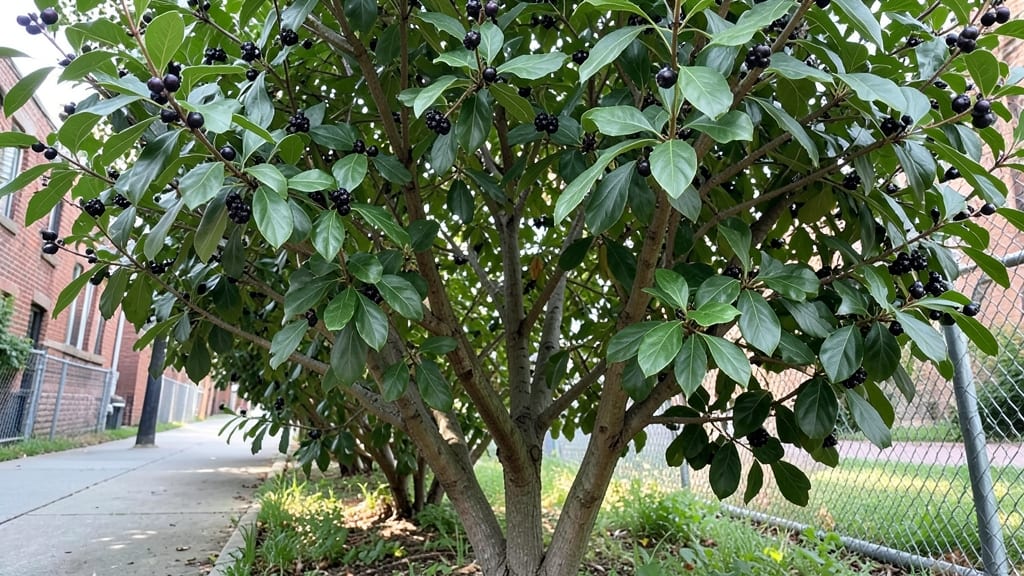
Craving juicy, sweet mulberries but short on space or time? These 10 high-performance mulberry tree varieties deliver rapid growth, abundant harvests, and unique flavors—perfect for small gardens, urban yards, or large orchards alike.
Illinois Everbearing Mulberry Tree
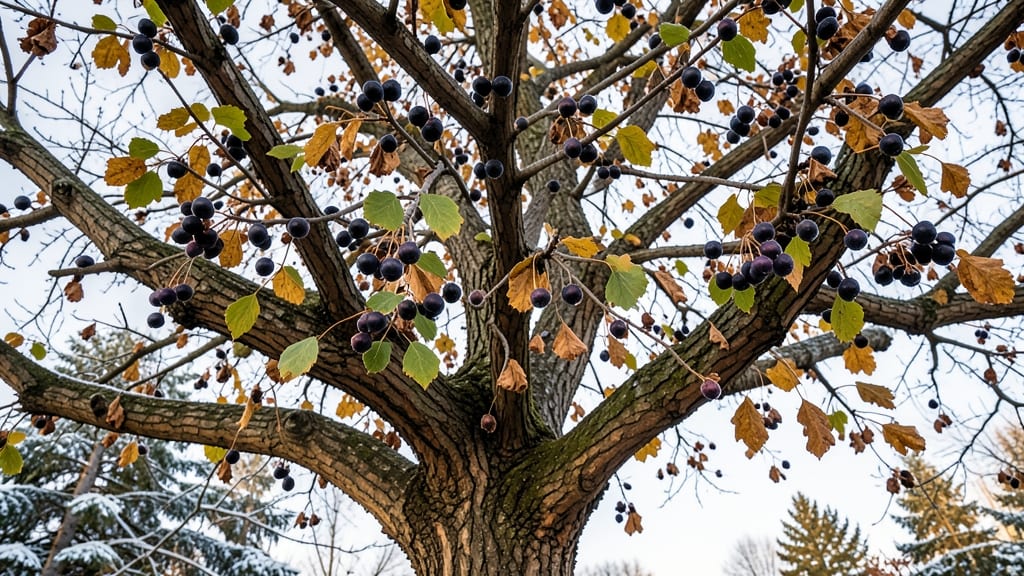
Tired of mulberry trees that refuse to thrive in cold climates? The Illinois Everbearing Mulberry Tree shatters that myth with its two harvests per year—a rarity in northern gardens. While traditional mulberries wilt under frost, this hardy variety delivers sweet, deep purple berries from June through August, making it the ultimate choice for zones 5-9.
This cold-hardy champion grows 20-30 feet tall but stays manageable with pruning. Plant it in full sun with well-drained soil, and watch as it produces dense clusters of berries that birds won’t resist. The secret to its success? A self-pollinating nature that eliminates the need for multiple trees. For gardeners in Minnesota, Wisconsin, or the Great Lakes region, this is the mulberry that finally delivers on its promise. 🌟
Black Diamond Mulberry Tree
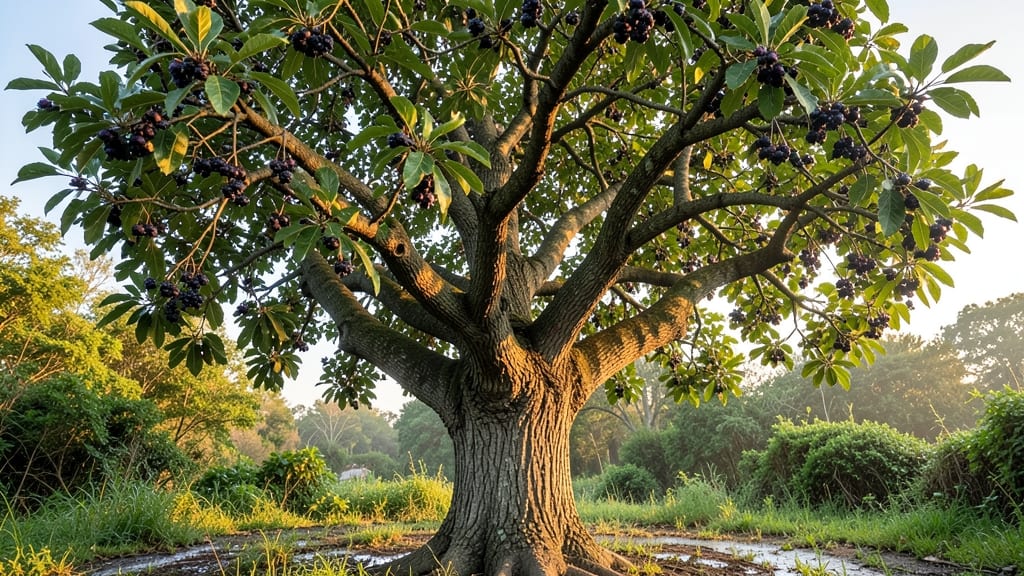
If you're dreaming of a low-maintenance mulberry tree that thrives in sweltering heat and damp climates while producing commercial-grade berries, the Black Diamond Mulberry is your answer. Unlike finicky varieties, this tree shrugs off humidity and pests, making it the ultimate choice for gardeners in USDA Zones 6-9 who want reliable yields.
This disease-resistant powerhouse delivers 1-inch glossy black berries packed with intense sweetness—ideal for jam-making or selling at farmers' markets. The tree's fast growth (30-40 feet at maturity) means you'll enjoy shade and fruit within just a few years, with minimal pruning required. Its thick, leathery leaves resist fungal diseases, so you can skip the fungicides and focus on harvesting.
Perfect for homesteaders, commercial growers, and urban gardeners with limited time, the Black Diamond Mulberry turns effortless care into a bountiful harvest. 🌟
Red Mulberry Tree (Southern Native)
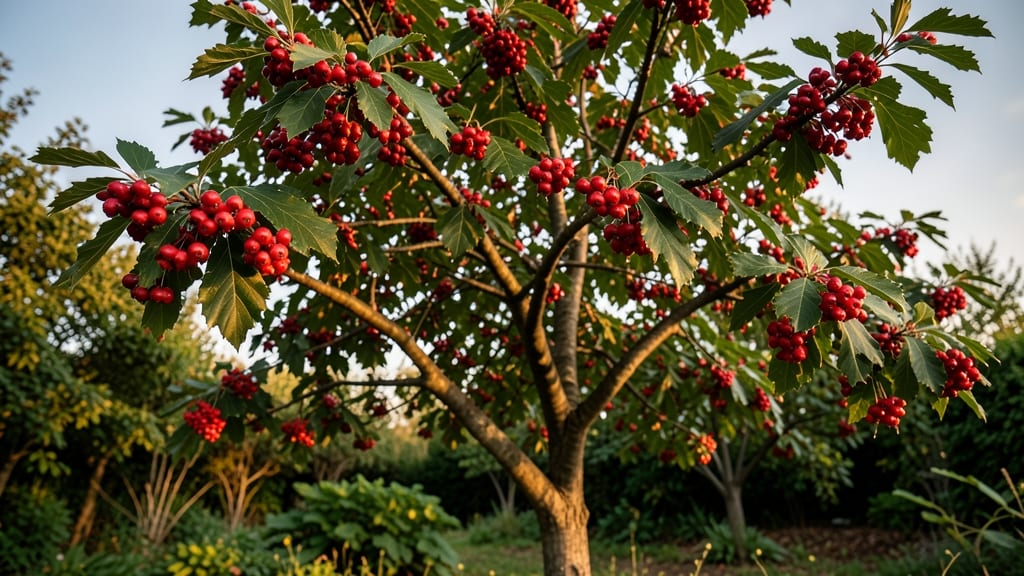
If you're looking for a mulberry tree that thrives with minimal fuss while supporting local wildlife, the Red Mulberry (Morus rubra) is a standout choice. This native Southern beauty produces vibrant red berries that birds and pollinators adore, making it a favorite in wildlife-friendly gardens.
Native to the eastern U.S., this tree boasts drought-tolerant roots and natural resistance to pests, reducing the need for chemical treatments. It prefers well-drained soil and full sun to partial shade, growing 40–60 feet tall with a spread of 30–40 feet. The berries ripen in late summer, offering a sweet-tart flavor perfect for fresh eating or jams.
Perfect for landowners in the Southeast, this tree also enhances biodiversity by attracting birds, bees, and butterflies. Its low-maintenance nature makes it ideal for eco-conscious gardeners. 🌟
Alba Mulberry Tree (White Mulberry)
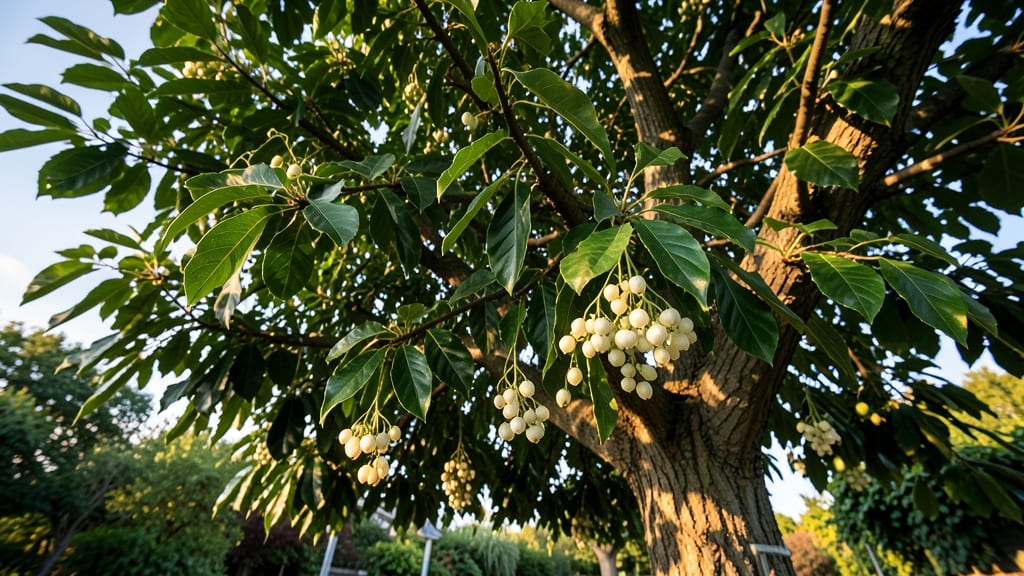
Need instant shade and edible fruit without the decade-long wait? The Alba Mulberry Tree grows a staggering 3–5 feet annually, making it the fastest mulberry variety for urban planners and permaculture projects.
Its sweet white berries ripen in late summer, attracting birds while providing fresh snacks for humans. The tree thrives in full sun to partial shade, tolerates a range of soils, and even handles light drought once established. Plant it as a living privacy screen or food forest staple—it delivers both beauty and bounty in record time.
Perfect for city lots, community gardens, or permaculture guilds where space is limited but productivity isn’t. 🌱
Aromatic Mulberry Tree
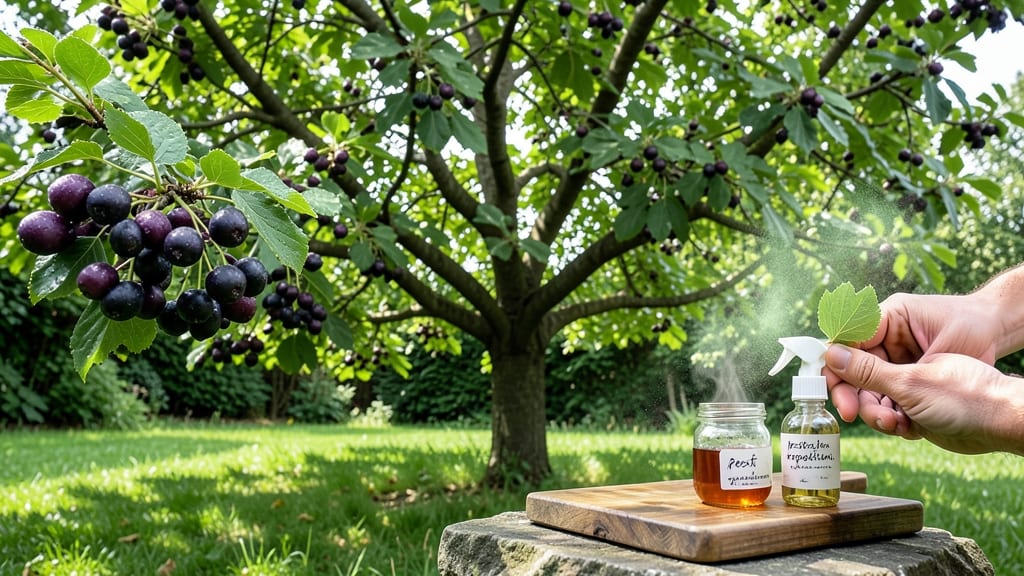
Tired of mulberry trees that are just pretty to look at? The aromatic mulberry tree turns your yard into a sensory garden—its leaves release a subtle, refreshing fragrance when crushed, while the berries offer a mild, herbal flavor perfect for infusing teas or pest-repellent sprays.
This versatile variety thrives in partial shade to full sun and pairs beautifully with roses or grapes, as its scent naturally deters pests like aphids and spider mites. Simply crush fresh leaves and scatter around companion plants for a chemical-free solution. The berries, though smaller than other varieties, pack a culinary punch—dried leaves can even be steeped for a caffeine-free herbal tea.
Ideal for gardeners who want multi-functional plants, this tree suits small spaces or herb gardens where you crave both beauty and utility. 💚
Dwarf Mulberry Tree (Nana)
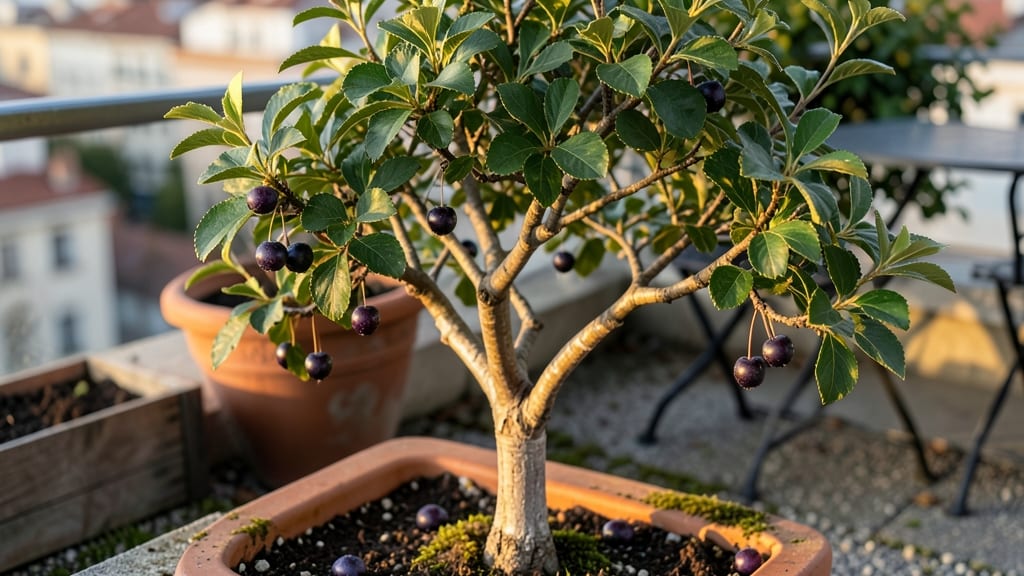
Transform your tiny balcony or fairy-tale garden into a mulberry haven with the Dwarf Mulberry Tree (Nana)—a pint-sized powerhouse that packs big flavor into a compact 8–10 foot frame. Unlike its towering cousins, this variety thrives in containers, making it the ultimate urban fruit tree for patios, rooftops, or even whimsical cottage landscapes.
Its miniature berries (about half the size of standard mulberries) ripen in late summer, offering a sweet-tart treat perfect for snacking or crafting tiny jam jars. Plant in well-draining soil with full sun to partial shade, and choose a container at least 15–20 gallons to accommodate its root system. Prune lightly after harvest to maintain its tidy shape, and watch as it becomes the star of your small-space edible garden.
This variety is a game-changer for balcony gardeners, fairy-garden enthusiasts, and urban homesteaders who crave fruit without the footprint. With proper care, you’ll enjoy year-round greenery and seasonal berries that turn heads—and tastebuds! 🌻
Supreme Mulberry Tree
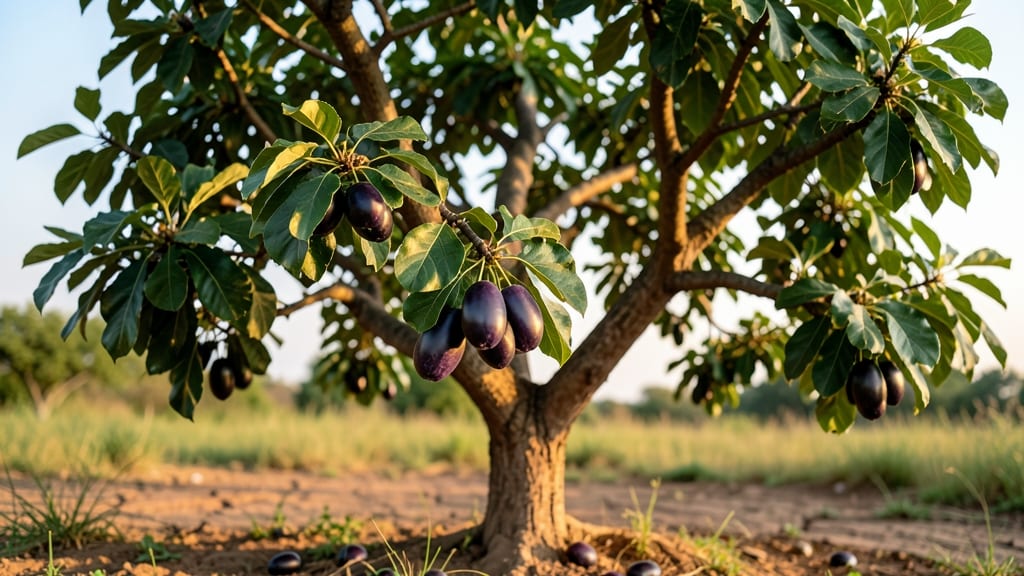
If you’re dreaming of 2-inch mulberries that practically fall into your hands—without needing a second tree for pollination—then the Supreme Mulberry Tree is your game-changer. This heavy-bearing hybrid delivers self-pollinating reliability and thrives even in poor soil, making it a homesteader’s secret weapon.
Expect giant berries (nearly twice the size of standard mulberries) that ripen to a deep purple hue, perfect for fresh eating or preserving. Unlike fussy varieties, this tree adapts to USDA Zones 5-9, tolerates drought once established, and grows at a moderate pace (10-15 feet tall). Its disease resistance means fewer pesticides, while the self-pollinating trait guarantees fruit without cross-planting.
Homesteaders and organic farms will love how this variety reduces labor while maximizing yields—ideal for orchards, hedgerows, or even large backyard plots. 🌟
Golden Mulberry Tree
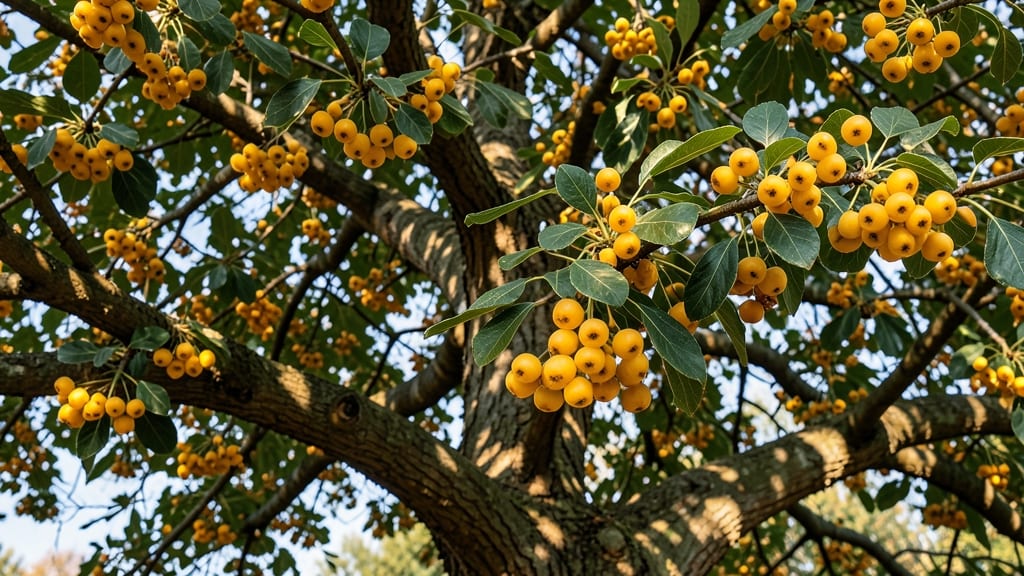
Looking for a mulberry tree that stands out in both flavor and appearance? The Golden Mulberry Tree produces golden-yellow berries with a honey-like sweetness that sets it apart from traditional varieties. These berries are prized by specialty food producers for their unique taste and are perfect for gourmet preserves.
This rare variety thrives in full sun and well-drained soil, making it ideal for gardeners in USDA Zones 5-9. The tree’s fragrant flowers in early spring also attract pollinators, adding an extra boost to your garden’s ecosystem. While it requires minimal maintenance, regular pruning ensures a healthy shape and maximizes berry production.
Perfect for food enthusiasts and pollinator-friendly gardens, the Golden Mulberry Tree adds a touch of elegance and flavor to any landscape. 🌻
Texas Mulberry Tree
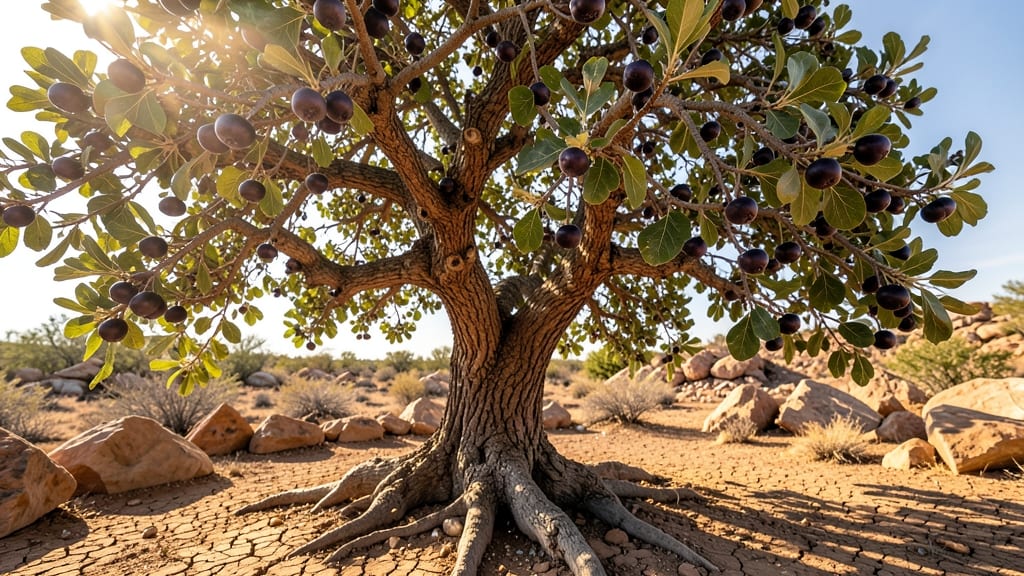
Struggling to grow mulberries in scorching heat or water-scarce regions? The Texas Mulberry Tree thrives where others fail—flourishing in USDA Zone 8+ with its thick-skinned berries that resist cracking even during drought. This sun-loving variety is the secret weapon for gardeners in Arizona, New Mexico, or California who want fruit without the fuss of constant watering.
Plant it in full sun with well-draining soil, and watch it adapt to arid conditions with minimal care. The berries ripen to a deep purple hue in late summer, offering a sweet-tart flavor perfect for fresh eating or preserves. Unlike delicate varieties, its heat-resistant leaves prevent wilting, while the thick berry skin ensures they stay intact even in extreme temperatures.
Perfect for desert landscapes, food forests, or homesteads where water conservation is key, this tree delivers both shade and harvest with minimal maintenance. 🌻
Bush Mulberry Tree (Shrub Form)

Want a privacy screen that doubles as a fruit-bearing hedge without sacrificing space? The bush mulberry (shrub form) is your answer—a compact, multi-stemmed wonder that tops out at just 6–8 feet, making it perfect for narrow yards, property borders, or urban lots where tall trees won’t fit.
Unlike its towering relatives, this low-maintenance shrub produces edible berries while offering year-round greenery and dense foliage that blocks noise and prying eyes. Plant it in full sun to partial shade with well-drained soil, and enjoy sweet, purple-black berries in late summer—ideal for fresh eating or jams. Prune lightly after harvest to maintain its hedge-like shape, and watch as it becomes a living fence that feeds you.
This variety shines for urban gardeners, small-acreage owners, and privacy-seeking homesteaders who want beauty, function, and food without the footprint of a full-sized tree. 🌿