
Trees
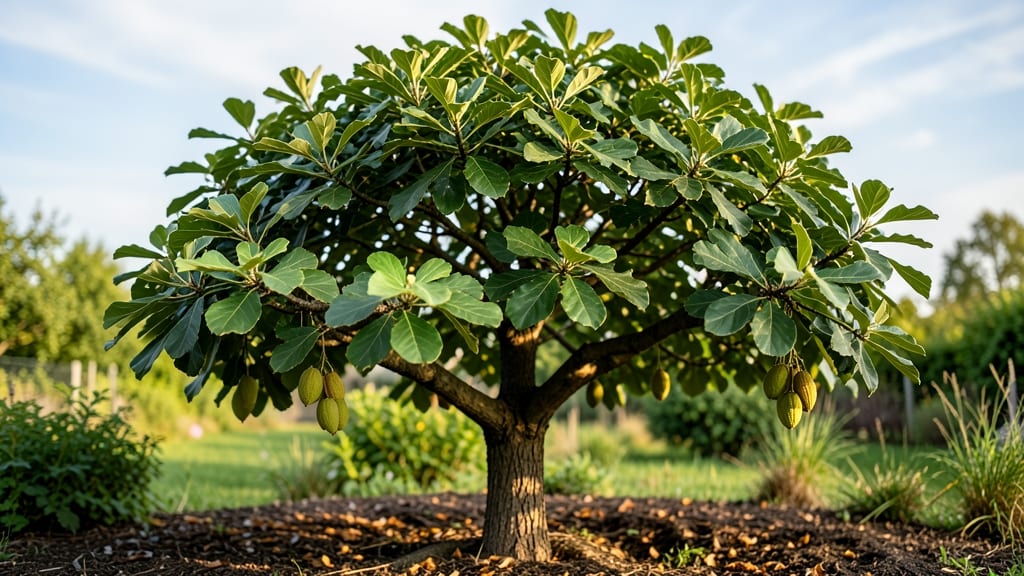
The big green tree nut you're looking for is a black walnut, easily recognized by its thick, green husk and large compound leaves. These nuts are ready for harvest when the husks turn brown and crack open naturally, but always wear heavy gloves to protect your skin from the staining juglone compound. Collect them quickly after falling to avoid pests or spoilage.
The black walnut tree produces these distinctive nuts, which are encased in a green, textured husk that turns brown when ripe. 🌳 This tree's compound leaves, with 15-23 leaflets, help distinguish it from other nut varieties.
The juglone in the husk and roots can actually inhibit growth of nearby plants, which is why many gardeners plant it at a distance.
What's fascinating is how the nut's hard shell protects the edible kernel inside—once properly dried and processed, it becomes a rich, flavorful ingredient for baking and cooking.
To safely harvest these nuts, you'll want to gather tools like sturdy gloves, a long pole, and a container with holes for airflow. 💛 After collection, spread the nuts out to dry in a well-ventilated area for about two weeks, then crack them open to remove the shells.
The kernels should be stored in airtight containers in the freezer for long-term freshness. This careful process ensures you get the best flavor and quality from your harvest.
💡 In This Article
- Identifying Black Walnut Trees and Their Growth Stages
- Safe Harvesting Tools and Post-Collection Care for Walnuts
Identifying black walnut trees and their growth stages
The black walnut tree (Juglans nigra) stands out with its distinctive compound leaves featuring 15-23 elongated leaflets, each measuring 2-4 inches long. These leaves have a slightly fuzzy texture and emit a bitter almond scent when crushed—a telltale sign of the juglone compound.
The tree's bark develops deep grooves and ridges as it matures, creating a rugged, diamond-patterned texture that contrasts sharply with smoother-barked trees like hickory or butternut. 🌿
Nut development begins in late spring when small green husks form around the nuts. These husks start 4-6 inches long and remain vibrant green until September or October, when they turn brown and split open naturally.
Unlike hickory nuts (which have a smoother husk) or butternut (with a more oval shape), black walnut husks develop a rough, bumpy texture that's unmistakable. The nuts themselves are 1.5-2.5 inches wide, encased in a hard, wrinkled shell that protects the rich, creamy kernel inside.
Seasonal cues are critical for timing your harvest. The nuts are ready when 70-80% of husks have turned brown and cracked open—this typically occurs between late September and early November, depending on your climate zone.
A simple test is to shake a branch: ripe nuts will fall easily, while unripe ones stay firmly attached. The juglone compound in the husk and roots is most concentrated at this stage, which is why gloves are essential—they can stain skin, fabrics, and even concrete for months. 🧤
Distinguishing black walnut trees from lookalikes requires attention to detail. Hickory trees have smoother husks and 4-5 leaflets per compound leaf, while butternut trees produce nuts with a longer, tapered shape and a thinner shell.
Black walnut trees also grow taller (reaching 70-100 feet) with a more upright growth habit, whereas butternut trees tend to have a spreading canopy.
The scent test is another clue: crush a leaf or husk—black walnut emits a bitter, almost chemical aroma, while hickory smells more like vanilla.
What makes black walnut trees unique is their ecological impact. The juglone they produce can inhibit growth of nearby plants, creating a natural "clear zone" around the tree.
This is why they're often planted as specimen trees in landscapes—though gardeners typically keep them at least 50 feet away from vegetable gardens or lawns. The tree's deep root system also makes it drought-resistant once established, thriving in USDA hardiness zones 3-9 with well-drained soil. 🌳
For the best harvest, focus on trees that are at least 20 years old, as younger trees produce fewer nuts. Mature trees can yield 50-100 pounds of nuts annually, though production varies based on weather conditions.
A single nut contains two kernels, each with a moisture content of about 40% when freshly harvested—this drops to 5-8% after proper drying, which is crucial for preventing mold and extending shelf life.