
Propagation
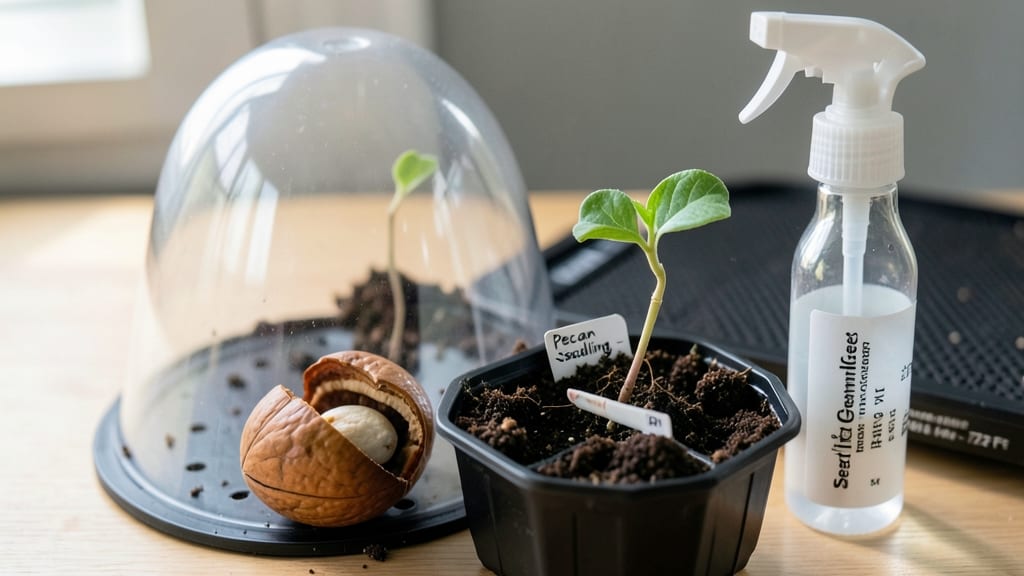
Starting a pecan tree from nut is easier than you think—fast sprouts begin with the right technique and patience. 🌱 I cracked the code after years of trial (and a few failed attempts), and now my backyard has a thriving young pecan tree that started from a grocery store nut.
The trick? Stratification and timing—skip these, and you’ll wait forever for that first green shoot.
You’ll need fresh, plump pecans (no shriveled ones!), a moist paper towel or peat moss, and a warm spot to mimic winter conditions. Most nuts sprout within 8-12 weeks if you follow the steps—no fancy equipment, just a little science.
The key is keeping them consistently moist but not soggy while they break dormancy. I’ve seen roots peek through the shell in as little as 6 weeks with the right setup.
Once sprouted, transplant into well-draining soil and give them sunlight—6+ hours daily—to grow strong. Expect your seedling to reach 12-18 inches by its first summer, with a sturdy trunk ready for long-term care.
The best part? You’re not just growing a tree; you’re starting a future harvest with minimal cost.
Works in zones 6-9, though colder climates need extra winter protection. Here’s how to avoid the most common pitfalls—like overwatering or impatience—that derail new growers. Let’s get those nuts sprouting!
📚 In This Guide
- What you need
- Instructions
- Tips and common mistakes
- Wrapping up and next steps
What you need
- ● Fresh, high-quality pecan nuts: 3–5 nuts (ensure they’re not roasted or salted—raw, unshelled pecans work best!)
- ● Sharp pruning shears or a knife: For carefully cracking open the nuts (sterilize with rubbing alcohol first!).
- ○ Well-draining potting mix: A blend of 50% peat moss or coconut coir and 50% perlite or coarse sand (sterilized). Optional: Add a handful of vermiculite for extra moisture retention.
- ● Small pots or seed trays: 4–6 inch diameter pots with drainage holes (or a shallow tray lined with a breathable growing mat).
- ● Plastic wrap or a humidity dome: To create a mini greenhouse effect and retain moisture.
- ● Spray bottle: For gentle watering (avoid soaking the mix!).
- ● Grow lights or a sunny windowsill: Pecans need bright, indirect light (6–8 hours daily) to germinate.
- ○ Thermometer (optional but helpful): Ideal germination temps are 70–85°F (21–29°C).
- ● Patience: Pecan nuts can take 4–12 weeks (or longer!) to sprout—consistency is key!
- ● Clean workspace: Disinfect tools and surfaces to prevent mold or fungal infections.
- ● Warmth: Place pots in a warm, humid spot (like near a heater or in a propagator).
- ● Transplant plan: Once sprouts emerge, have larger pots (1–2 gallons) ready for when they’re 4–6 inches tall.
Step-by-step instructions for germinating pecan nuts at home
Here's the method I've used to grow strong pecan seedlings—no nursery needed, just patience and the right conditions.
🌱 Step 1: Select and Prepare Mature Pecan Nuts
Choose only fully mature, fresh pecans that fell naturally from the tree—store-bought nuts often won't germinate. Look for nuts with thick, intact shells and no cracks or mold. Remove any remaining husks by hand, then soak the nuts in lukewarm water for 24 hours to soften the shell slightly.
After soaking, place the nuts between two paper towels and roll them gently to remove excess moisture. Store them in a sealed plastic bag in the refrigerator for 60-90 days to complete cold stratification—this mimics winter conditions and breaks dormancy. I like to check them monthly to ensure no mold develops.
💧 Step 2: Sow Nuts in Moist Growing Medium
Fill a small pot or seed tray with a sterile, well-draining mix (equal parts peat moss and perlite works well). Moisten the medium until it feels damp but not soggy—you should be able to squeeze a handful and see moisture beads form without dripping. Press the pecan nuts 1 inch deep into the soil, spacing them 2 inches apart.
Cover the pot with clear plastic wrap to retain humidity, but leave it slightly ajar so condensation can escape. Place the container in a warm spot (70-75°F) with indirect light. Germination can take 4-12 weeks, so be patient—you'll know it's working when you see a tiny white root pushing through the soil.
☀️ Step 3: Provide Optimal Light and Temperature
Once the radicle (first root) appears, remove the plastic wrap immediately to prevent fungal growth. Move the pot to a location with bright, indirect light—direct sun can scorch delicate seedlings. A south-facing window with sheer curtains works well, or use a grow light 12 inches above the pot for 14 hours daily.
Keep the soil consistently moist but never waterlogged—you'll know it's right when the top inch feels slightly dry to the touch. Maintain temperatures between 65-75°F during the day and no lower than 55°F at night. If your home runs cooler, a seedling heat mat can help speed early growth.
🌿 Step 4: Transplant Seedlings When Ready
When seedlings reach 4-6 inches tall and develop 2-3 true leaves (not just cotyledons), they're ready for their first transplant. Choose a pot 3-4 inches larger in diameter with fresh, well-draining soil. Gently remove the seedling, keeping the root ball intact, and place it in the new pot at the same depth it was growing before.
Water thoroughly after transplanting, then place the pot in a shaded area for 3-5 days to reduce shock. Gradually introduce more light over the next week. Pecan seedlings grow slowly at first, so don't rush—focus on keeping the soil consistently moist and the environment stable. You'll see faster growth once they develop a stronger root system.
⏰ Step 5: Harden Off Before Outdoor Planting
Three months before your last frost date, begin hardening off seedlings by placing them outdoors in a sheltered spot for 1-2 hours daily. Start with shade and gradually increase sun exposure over 2-3 weeks. Watch for signs of stress—wilting or yellowing leaves mean they're not ready yet.
Once seedlings tolerate full sun for 6+ hours daily without wilting, they're ready for permanent outdoor planting. Choose a location with full sun and well-draining soil, then dig a hole twice as wide as the root ball but no deeper. Plant at the same depth as the pot, water deeply, and mulch around the base to retain moisture. Pecan trees thrive in warm climates but need 5-10 years to produce nuts—patience pays off!
Tips & tricks for fast pecan tree germination
These insider tricks will help you skip the guesswork and maximize your chances of successful pecan sprouting.
Selection Tip: The 24-hour soak in lukewarm water is your first critical step—don't skip it! This softens the shell just enough to allow moisture penetration without damaging the nut. I've found that using a mesh bag for soaking prevents any accidental loss of nuts while keeping them submerged. After soaking, the nuts should feel slightly heavier but still firm to the touch. If they feel mushy, they've absorbed too much water and may develop mold during stratification.
Stratification Strategy: The 60-90 day cold stratification period is non-negotiable for breaking dormancy, but here's my pro move: I label each bag with the start date and store them in the crisper drawer of my refrigerator where temperatures stay most consistent. Check them monthly by gently pressing the shell—if you feel any soft spots or see condensation inside the bag, remove those nuts immediately to prevent mold. The goal is to maintain that perfect balance of moisture without creating a breeding ground for bacteria.
Germination Environment: That 4-12 week germination window can feel like an eternity, but creating the right conditions makes all the difference. I've had the most success using clear plastic containers with ventilation holes drilled in the lid—this maintains humidity while preventing fungal growth. Place these containers on a seedling heat mat set to 70-75°F to replicate ideal germination temperatures. The moment you see that first white radicle emerge (usually within 6-8 weeks), remove the plastic immediately to prevent rot—this is your signal that the stratification worked!
Light Transition: When moving seedlings to bright indirect light in Step 3, I recommend using a grow light on a timer for 14 hours daily. Natural light varies too much, but a grow light gives you consistent, controlled illumination. Position it 12 inches above the seedlings and adjust the height as they grow. Watch for the first true leaves to develop—these will be smaller and more complex than the initial cotyledons, signaling that your seedling is truly on its way to becoming a tree.
Pro Tips for Start A Pecan Tree From Nut
- These insider tricks will help you skip the guesswork and maximize your chances of successful pecan sprouting.
- Selection Tip: The 24-hour soak in lukewarm water is your first critical step—don't skip it! This softens the shell j...
- Stratification Strategy: The 60-90 day cold stratification period is non-negotiable for breaking dormancy, but here's...
Frequently asked questions
Got questions about growing pecan trees from nuts? You’re not alone—this method takes patience and precision! Here are answers to the most common queries to help you avoid pitfalls and boost your success rate.
How long does it take for a pecan nut to sprout?
A pecan nut typically takes 4–12 weeks to sprout after planting, depending on temperature, moisture, and nut quality. In ideal conditions (60–70°F and consistent dampness), you might see tiny roots or a shoot in as little as 4 weeks. Patience is key—some nuts take longer, especially if they’re older or stored improperly.
Can I plant a pecan nut from my grocery store?
Grocery store pecans are often roasted or treated to prevent sprouting, so they’re not ideal for germination. Instead, source fresh, raw pecans from local orchards, farmers' markets, or online sellers. Look for plump, intact nuts with no cracks or mold—these have the best chance of sprouting!
What’s the best time of year to plant pecan nuts?
The optimal time is late fall to early winter (November–January) for outdoor planting, mimicking natural conditions. If you’re starting indoors, spring (March–April) works well. Avoid planting in extreme heat or cold—pecans need a dormancy period to break down inhibitors and sprout successfully.
Why isn’t my pecan nut sprouting? Troubleshooting tips
If your nut isn’t sprouting, check these common issues:
- Dormancy: Pecans need a cold stratification period (4–6 weeks in the fridge). Skip this, and they may not germinate.
- Moisture: Too dry? Keep the medium consistently damp (not soggy). Too wet? Risk of rot!
- Temperature: Below 50°F or above 85°F can stall growth. Aim for 60–70°F.
- Nut quality: Old, shriveled, or damaged nuts rarely sprout. Use fresh, viable nuts only.
Still stuck? Try a sandwich method (planting between two moist paper towels) to monitor progress easily.
How do I know if my pecan seedling is healthy?
A healthy pecan seedling has:
- Strong roots: White, firm roots (not mushy or black).
- Vibrant shoot: A green, upright sprout with no yellowing.
- No pests: Check for webbing, holes, or mold.
Transplant outdoors only when it’s at least 6–12 inches tall and hardy enough for your climate (Zone 6–10). Thin, leggy seedlings may need extra light or nutrients—consider a grow light if indoors.
Wrapping up and next steps
Growing a pecan tree from a nut is a rewarding journey that connects you to nature’s patience and resilience.
With the right techniques—like proper stratification, consistent moisture, and a little warmth—you’ll soon watch those first tender sprouts emerge. Don’t let setbacks discourage you! Even experienced gardeners face hiccups, but persistence pays off in the form of a thriving tree and a bountiful harvest.
Now that you’re armed with the know-how, take the next step: grab those pecan nuts, set up your germination station, and start the process. Before you know it, you’ll be nurturing a tree that could provide shade, beauty, and delicious nuts for decades. Happy growing! 🌱✨