
Pests
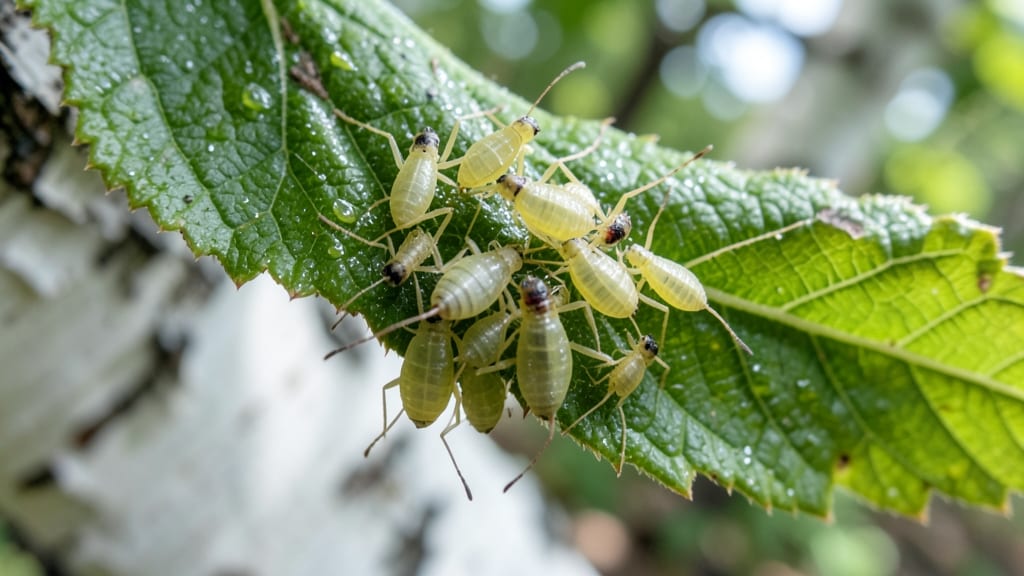
Birch trees covered in sticky, honeydew-dripping aphids are a heartbreaking sight—until you know how to stop them. 🌿 These tiny green invaders suck sap from leaves, leaving behind curled foliage and sooty mold that blocks sunlight.
I’ve watched entire birch groves suffer until I learned the early signs and organic fixes that actually work.
The problem starts when aphids cluster on new growth in spring, multiplying fast in warm, dry weather. A single tree can host thousands by midsummer, and their sticky honeydew attracts ants while fostering fungal growth.
The good news? You don’t need harsh chemicals—just a few targeted organic methods to break their life cycle.
Within days of treatment, you’ll see fewer aphids, new leaves unfurling clean, and that classic birch bark shining again. The key is acting fast, using a mix of soapy sprays, beneficial insects, and pruning to remove infested branches. Even heavily damaged trees bounce back with proper care.
Works for all birch species, from paper birch to river birch, and fits into any seasonal maintenance routine. Let’s get those trees thriving again—naturally.
Underlying Causes Of Sap-Sucking Outbreaks
When birch tree aphids (like Euceraphis betulae or Monellia costalis) descend on your trees, they’re not just random pests—they’re responding to specific triggers in the environment. Understanding these causes helps you disrupt their cycle before infestations spiral. Here’s why these tiny invaders strike when they do:
Birch trees produce fresh, tender leaves in spring—a smorgasbord for aphids. Why? New growth is:
- Nutrient-rich: High in sugars and amino acids, making it irresistible to aphids.
- Soft and vulnerable: Young leaves lack the tough waxy coating of mature foliage, making them easy to pierce with aphid mouthparts (stylets).
- Hormone-triggered: Birch trees release volatile organic compounds (VOCs) when stressed, which aphids detect from miles away as a "feast call."
💡 Actionable Insight: Prune last year’s growth in late winter to reduce aphid attractants. Focus on removing water sprouts (thin, fast-growing shoots) first—they’re aphid magnets.
Aphids thrive in mild winters and early springs, where:
- Fewer natural predators survive: Ladybugs, lacewings, and parasitic wasps (their biggest enemies) often die off in cold snaps. Without them, aphid populations explode unchecked.
- Dormant trees wake up early: Birch trees budding in February or March (instead of April) give aphids a 3–4 week head start to reproduce.
- Soil microbes shift: Warmer soils release more nitrogen, making leaves even sweeter to aphids.
🌡️ Climate Data: Studies show aphid outbreaks double in regions where average winter temps rise above 35°F (2°C).
Drought or overwatering stresses birch trees, forcing them to:
- Release stress hormones: Abscisic acid (ABA) signals aphids that the tree is nutrient-poor but still alive, making it a last-resort feeding site.
- Produce sticky honeydew: Stressed trees can’t regulate sap flow, leading to excess sugar excretion—aphid "fast food."
- Weaken bark defenses: Dry conditions crack bark, giving aphids easier access to phloem (the sap highway).
💧 Pro Tip: Deep, infrequent watering (1–2 inches per week) in drought-prone areas reduces stress. Avoid wetting foliage at dusk—aphids love humid nights.
Aphids rarely attack healthy trees—they target those already compromised by:
| Pest | How It Helps Aphids |
|---|---|
| Birch leafminers | Create tunnels that disrupt sap flow, making leaves more appealing. |
| Scale insects | Weaken roots, forcing trees to overproduce sugars in leaves. |
| Fungal infections (e.g., birch rust) | Release aphid-attracting VOCs and reduce tree resilience. |
✨ Prevention Hack: Treat for leafminers in summer (use neem oil) to break the aphid chain reaction.
By addressing these root causes—nutrient signals, climate shifts, stress, and prior damage—you can starve out aphids before they become a full-blown crisis. Next, we’ll cover early detection signs so you can act fast.
Quick Fixes for Sap-Sucking Tree Invaders
If your birch trees are under siege by tiny, sticky pests, don’t panic—there are effective, organic ways to reclaim their health. The key is acting fast and targeting the root causes while protecting your trees long-term.
Below, we break down practical solutions tailored to the most common scenarios, from mild infestations to severe outbreaks.
If you spot small clusters of aphids (especially on new growth) and minimal honeydew, these methods can reverse the damage without harsh chemicals.
🔥 Blast Them Off with Water Aphids hate high-pressure streams!
Use a strong garden hose to dislodge them from leaves and branches. - How to do it: Aim the nozzle at the undersides of leaves (where aphids hide) and blast for 10–15 seconds per section. - Best time: Early morning or late evening (avoids shocking the tree). - Frequency: Repeat every 3–5 days until they’re gone. - Pro tip: 💡 Add a drop of dish soap to 1 gallon of water for extra stickiness—it helps break their waxy coating.
🍳 Introduce Beneficial Insects
Nature’s pest control? Yes, please! Ladybugs, lacewings, and parasitic wasps devour aphids without harming your tree.
- How to attract them:
- Plant neighboring flowers like dill, fennel, or marigolds (their favorite snacks).
- Buy eggs or adults online or from garden centers and release them at dusk.
- Bonus: 🌡️ Avoid pesticides—even organic ones—while these predators are active.
👨🍳 Prune and Clean Up Aphids thrive in crowded, dirty spaces.
Trim infested branches (especially new shoots) and remove fallen leaves. - How to prune: - Use sterilized shears to cut 2–3 inches below heavily infested areas. - Dispose of clippings in a sealed bag (don’t compost them!). - Prevention tip: ✨ Rake up debris around the tree base to eliminate hiding spots.
If your tree is covered in aphids, sooty mold, or wilting leaves, you’ll need a multi-step approach to break their cycle.
🥘 Neem Oil Spray: The Ultimate Organic Knock-Out
Neem oil disrupts aphid feeding and reproduction while being safe for most plants.
- DIY Recipe:
- 1 tbsp neem oil
- 1 tsp mild castile soap (helps it stick)
- 1 quart water
- Optional: 1 tsp horticultural oil for extra potency.
- How to apply:
- Shake well and spray thoroughly (top and bottom of leaves).
- Cover the entire tree, including the trunk.
- Reapply every 5–7 days for 2–3 weeks.
- ⏰ Best timing: Early morning or late evening (avoids burning leaves in sunlight).
🔪 Insecticidal Soap: Fast but Targeted
For quick knockdown, insecticidal soap dissolves aphid bodies on contact.
- How to use:
- Mix 1.5 tbsp pure insecticidal soap with 1 quart water.
- Spray directly on aphids (avoid spraying in direct sun—it can damage leaves).
- Reapply every 3–4 days until gone.
- Caution: 🌡️ Test on a small leaf first—some trees are sensitive.
🌱 Soil Drench for Systemic Strength Aphids weaken trees by sucking sap.
Boost your birch’s defenses with a soil drench to improve resilience. - Recipe: - 1 tbsp fish emulsion (for nutrients) - 1 tbsp molasses (attracts beneficial microbes) - 1 quart water - How to apply: - Pour around the drip line (where rainwater hits the ground). - Water deeply to soak the roots. - Why it works: 💪 Strengthens the tree’s immune system, making it less appealing to pests.
Once you’ve won the battle, don’t let them return next season. Follow these long-term strategies:
- 🌿 Encourage Natural Predators Year-Round
- Leave some leaf litter in fall/winter (provides shelter for ladybugs).
- Plant pollinator-friendly flowers like yarrow or cosmos.
- 🌡️ Monitor and Act Fast
- Check trees weekly in spring/summer (aphids strike fast!).
- Isolate new trees for 2 weeks if you suspect infestation.
- 🎯 Avoid Over-Fertilizing
- Too much nitrogen = softer leaves = aphid buffet.
- Use a balanced fertilizer (10-10-10 or similar).
- ✨ Use Reflective Mulch
- Aphids hate bright light. Spread white or silver mulch around the base to deter them.
By combining quick fixes with preventive care, your birch trees will stay aphid-free and thrive for years. 🌳💚 No chemicals, no guesswork—just healthy trees!
Frequently asked questions
What do birch tree aphids look like up close?
Birch tree aphids are tiny, soft-bodied insects (about 1/16 inch long) that come in pale green, yellow, or gray colors. They cluster on the undersides of leaves, often leaving behind a sticky residue called honeydew. Look for curled or distorted leaves—this is a classic sign of their feeding.
How do I tell if aphids are harming my birch tree?
Watch for yellowing leaves, stunted new growth, and black sooty mold on branches (from honeydew). Severe infestations cause leaves to curl or drop prematurely. If you see ants tending the aphids, that’s a red flag—they protect aphids in exchange for honeydew.
Will homemade sprays really work against aphids?
Yes! A soapy water spray (1 tsp mild dish soap + 1 quart water) suffocates aphids on contact. For stubborn cases, neem oil (1 tbsp + 1 quart water) disrupts their life cycle. Always test sprays on a small leaf first—some birch varieties are sensitive.
Can I use chemical pesticides on birch trees?
Chemicals like imidacloprid can work, but they harm beneficial insects and may not be safe for all birch species. For organic solutions, focus on neem oil or insecticidal soap first. If you must use chemicals, consult a local arborist to choose the safest option for your tree type.
How often should I check my birch trees for aphids?
Inspect your trees every 7–10 days during spring and summer when aphids are most active. Start checking in early April—this gives you time to catch infestations before they spread. Pay special attention to new growth, as aphids target tender leaves first.