
Pruning
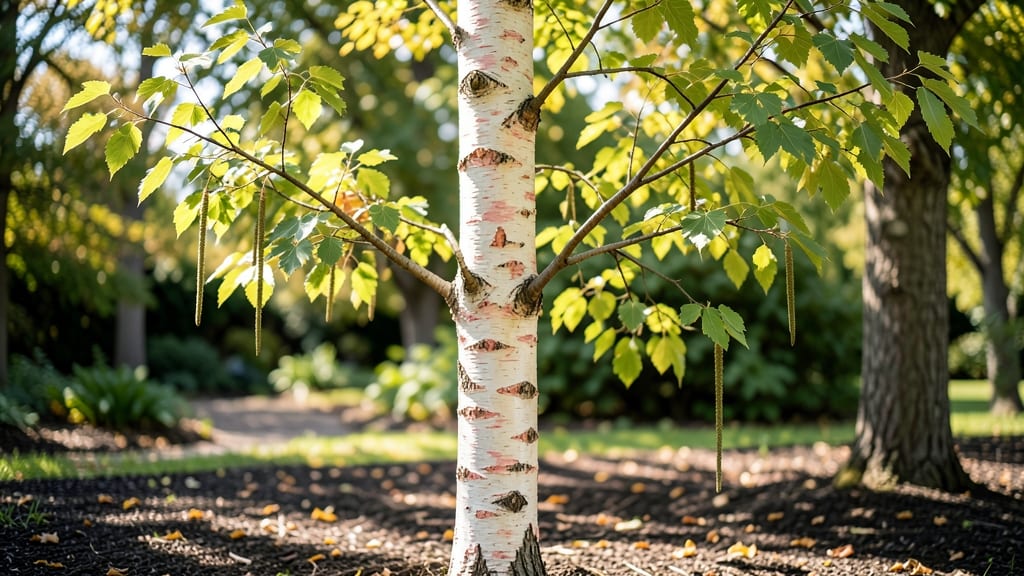
When your river birch tree’s leaf turns yellow or brown, it’s not just a seasonal change—it’s a cry for help. 🌿 I've seen birch trees go from stunning white-barked beauties to sad, sparse shadows, and the fix always starts with understanding what those leaves are really saying.
The secret isn't just cutting branches; it's reading the tree's signals first.
Most leaf problems come down to three culprits: fungal infections like birch leaf spot, hungry pests like aphids or mites, or simple stress from drought or poor soil. I learned the hard way that pruning too late or too aggressively can make things worse—sometimes the tree needs rest, not shears.
The key is timing: prune in late winter or early spring before new growth starts.
What you'll end up with is a tree that stops looking stressed and starts thriving again. New leaves will emerge a vibrant green, the bark stays smooth and peeling, and those iconic dangling branches fill out properly.
The best part? You'll catch problems early before they spread, and your birch will reward you with years of that stunning winter silhouette.
This works for any river birch, whether you've got a mature specimen or a young tree just starting its life. The same principles apply—just adjust the scale. Let's get those branches healthy again, the natural way.
📚 In This Guide
- What you need
- Instructions
- Tips and common mistakes
- Wrapping up and next steps
What you need
- ● Pruning shears (bypass or anvil type) – For cutting branches up to ½-inch in diameter.
- ● Loppers – Ideal for branches between ½-inch to 2-inches in diameter.
- ● Pruning saw – Needed for thicker branches (2-inches or larger). Choose a curved-tooth saw for clean cuts.
- ● Gloves (heavy-duty, cut-resistant) – Protects hands from thorns, sap, and sharp tools.
- ● Disposable pruning bags or bucket – Collects debris for easy cleanup.
- ● Ladder (if needed) – Extendable or sturdy enough to reach higher branches safely.
- ● Hand sanitizer or rubbing alcohol – Disinfects tools between cuts to prevent disease spread.
- ○ Rope or zip ties (optional but helpful) – Secures branches for easier cutting or supports weak limbs.
- ○ Tree wound dressing (optional) – Controversial but can be used for larger cuts to prevent decay.
- ● Pole pruner – For high branches without a ladder.
- ● Safety glasses – Protects eyes from debris.
- ● Knee pads – Makes kneeling in the garden more comfortable.
- ● Notebook & pen – Track pruning progress or note areas needing future attention.
How to prune a river birch tree to restore health
Here’s how I’ve revived struggling river birches—focused on the right cuts and timing.
☀️ Step 1: Assess the Tree’s Condition in Late Winter
Start pruning in late winter or early spring before buds swell, when the tree is still dormant. Look for dead, crossing, or diseased branches—these are your top priorities. Dead branches snap easily when bent; diseased ones may have discolored bark or fungal growth. Healthy branches have smooth bark and firm wood.
I like to use a 10-power magnifying glass to check for signs of borers or cankers. If you see holes or oozing sap, mark those branches for removal first. Never prune when the tree is wet—rain or dew can spread disease through fresh cuts.
✂️ Step 2: Make Clean Cuts at the Right Angle
Use sharp, clean pruning shears for branches under ½ inch thick and loppers for thicker branches. Cut just outside the branch collar—the swollen area where the branch meets the trunk. This ensures the tree seals the wound properly and prevents rot.
Make your cut at a 45-degree angle if the branch is larger than ¼ inch thick, sloping away from the trunk. For smaller branches, a straight cut is fine. Avoid leaving stubs—they invite decay and weaken the tree. If you’re unsure, practice on a fallen branch first.
🌿 Step 3: Thin the Canopy for Better Airflow
Remove up to 25% of the tree’s branches to improve airflow and sunlight penetration. Focus on branches growing inward or rubbing against others—these compete for resources and create entry points for pests. Start at the outer canopy and work your way in.
Watch for water sprouts—fast-growing, vertical shoots that drain energy. These often appear after heavy pruning or stress. Snip them off at the base as soon as you spot them. A well-thinned river birch will show lighter, airier foliage by midsummer.
💧 Step 4: Apply Wound Dressing (Only If Needed)
Most river birches heal fine without dressing, but if you have large cuts over 3 inches thick, apply a pruning sealant to prevent moisture loss. Use a thin layer—thick applications can trap heat and encourage rot. Avoid sealants on smaller cuts; they’re unnecessary and can harm the tree.
After pruning, water the base deeply to help the tree recover. Mulch with 2-3 inches of organic mulch (like shredded bark) around the drip line, keeping it 6 inches away from the trunk. This protects roots and retains moisture without smothering the tree.
⏰ Step 5: Monitor Progress Over the Growing Season
Check the tree every 4-6 weeks for new growth. Healthy branches should sprout green leaves by late spring. If you see yellowing leaves or wilting, the tree may be stressed—reduce watering slightly and avoid fertilizing for at least a month.
By fall, you should see fewer dead branches and a stronger structure. If the tree still looks weak, repeat the process next winter but remove no more than 10% of the canopy to avoid shock. Patience is key—river birches recover slowly but steadily.
Tips & tricks for pruning river birch trees
Reviving a struggling river birch isn't just about cutting branches—it's about strategic pruning that protects its health. Here's what I've learned after years of restoring these trees.
The Right Tools Matter: Never use dull pruners—they tear bark and create jagged wounds that invite disease. I keep a separate pair of shears just for birches, sharpened annually. For branches thicker than ½ inch, loppers are essential, but make sure they're clean to prevent spreading pathogens between cuts. A small brush to clean tools between branches saves time and keeps your work area tidy.
Timing is Everything: Late winter or early spring is non-negotiable for river birches. This dormant period lets the tree heal quickly. I've made the mistake of pruning in summer—big mistake! The tree expends energy on new growth instead of recovery, and those fresh cuts become prime targets for pests. If you must prune outside this window, do it on a cool, dry day in fall.
Branch Collar Awareness: The branch collar—the swollen area where branch meets trunk—is your guidepost. Cutting too close removes this natural seal, leaving the wound vulnerable. I mark the collar with a pencil before cutting to ensure I stay just outside it. For stubborn branches, I make a shallow undercut first to prevent bark from tearing when I make the final cut.
Seasonal Follow-Up: After pruning, the real work begins in spring. I check for new water sprouts every 4-6 weeks—these energy vampires can undo all your progress. When I spot them, I snip them immediately at the base. By midsummer, you should see lighter foliage—this means better airflow and less stress on the tree. If you don't, you may have removed too much canopy.
Pro Tips for River Birch Tree Leaf
- Reviving a struggling river birch isn't just about cutting branches—it's about strategic pruning that protects its he...
- The Right Tools Matter: Never use dull pruners—they tear bark and create jagged wounds that invite disease. I keep a ...
- Timing is Everything: Late winter or early spring is non-negotiable for river birches. This dormant period lets the t...
Frequently asked questions
Got questions about saving your river birch tree?
Here are the most common concerns—plus quick, actionable answers to keep those branches thriving!
When is the best time to prune a dying river birch tree?
Prune your river birch late winter or early spring (before buds swell) to encourage new growth. Avoid pruning in fall—it can stress the tree and leave it vulnerable to pests. If branches are already dead or dying, trim them anytime, but focus on healthy growth in dormant seasons.
Why are my river birch leaves turning brown and crispy?
Brown, crispy leaves usually signal drought stress, disease (like birch leaf spot), or pest damage (e.g., birch borers). Check the soil moisture—river birches love well-draining, slightly acidic soil. If pests are the culprit, prune infected branches 12 inches below the damage and treat with neem oil or insecticidal soap.
How much of a river birch tree can I safely prune?
Never remove more than 25% of the canopy at once—river birches are sensitive to over-pruning. For a revival effort, focus on dead, diseased, or crossing branches. Thinning the canopy improves airflow, reducing fungal risks. Use sharp tools and cut at a 45-degree angle just outside the branch collar.
Can I propagate new river birch trees from cuttings?
River birch cuttings root poorly compared to other trees, but you can try! Take 4–6 inch semi-hardwood cuttings in early summer, strip the lower leaves, and dip in rooting hormone. Plant in moist perlite or sand, keeping them in bright, indirect light and humid conditions. Success rates are low—grafting or buying young trees is often easier!
How do I prevent future branch dieback in my river birch?
- Water deeply during droughts (1–2 inches per week).
- Mulch 3–4 inches deep (keep mulch away from the trunk) to retain moisture.
- Fertilize in early spring with a balanced, slow-release fertilizer (10-10-10).
- Inspect for birch borers or canker diseases—prune early to stop spread.
Wrapping up and next steps
Reviving your river birch tree’s dying branches starts with the right pruning techniques—timing, tools, and a gentle touch make all the difference! 🌿 Now that you’re armed with the how-to and answers to common questions, it’s time to roll up your sleeves and give your tree the TLC it deserves. Start small: tackle one branch at a time, and soon, your birch will be thriving with lush, healthy foliage.
Need a refresher? Bookmark this guide or print it out for your next pruning session. And if your tree’s health still feels uncertain, consider consulting a local arborist—they’re the pros when it comes to birch-specific care!