
Featured
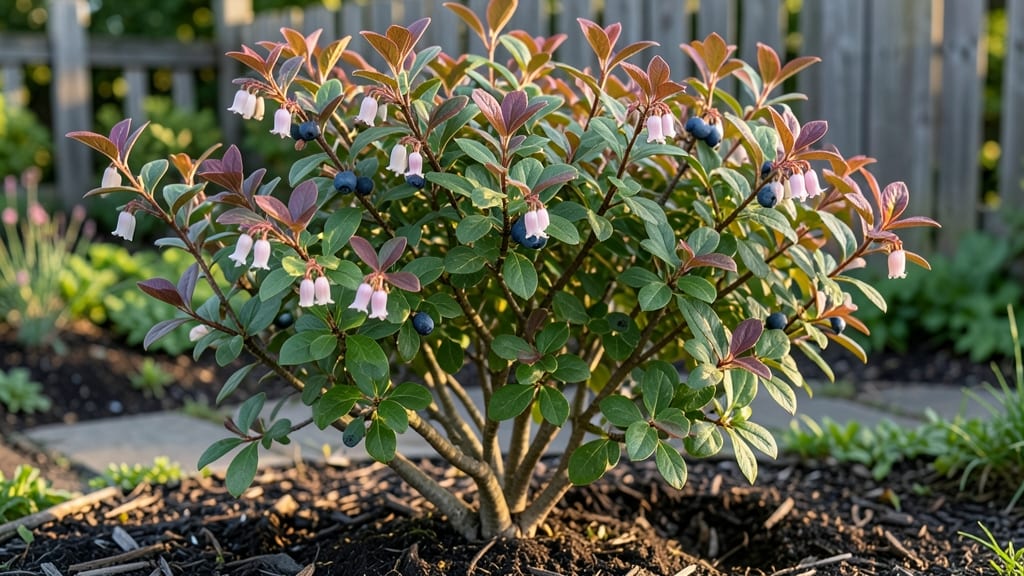
Blueberry leaves turning red isn't always a warning sign—it could be your tree's natural fall show. 🌿 I've watched my own bushes shift from deep green to fiery red each autumn, only to burst with blueberries the next spring.
But when the color change happens outside of fall, it might signal stress, disease, or even a nutrient deficiency.
The first step is checking the timing: fall reddening is normal, but sudden color shifts in spring or summer demand attention. Look for other clues—yellowing between veins suggests magnesium deficiency, while brown spots could mean fungal issues.
My tree once turned red from overwatering, so always check soil moisture before assuming the worst.
Corrective action depends on the cause: soil testing reveals nutrient gaps, pruning improves airflow, and organic sprays tackle pests. With the right approach, your tree can recover and still produce a bountiful harvest. The key is acting early—don't wait until next season to notice the problem.
When in doubt, consult a local extension service or arborist. They can help distinguish between normal seasonal changes and serious issues that need professional treatment. Your blueberry bush might just be putting on a show—or sending you a warning.
The Science Behind Leaf Color Shifts
Understanding why your blueberry tree leaves turn red requires peeling back the layers of plant biology and environmental cues. This striking transformation isn’t just a seasonal spectacle—it’s a survival strategy rooted in chemistry and genetics.
Let’s break down the key factors driving this vibrant change, so you can appreciate (and even anticipate) the science at play.
When blueberry tree leaves shift to red, they’re essentially producing anthocyanins—powerful pigments that act like sunscreen and antioxidants for the plant. These compounds accumulate in response to:
- Cooler temperatures: As nights grow chilly (below 60°F/15°C), the tree signals its leaves to ramp up anthocyanin synthesis. This is a protective mechanism to shield cells from frost damage and oxidative stress. - Sunlight exposure: Bright, direct light triggers photosynthesis but also increases stress.
Anthocyanins absorb excess light energy, preventing leaf burn. Think of them as the plant’s built-in UV blockers! - Nutrient redistribution: Before shedding leaves, the tree recycles nutrients (like nitrogen and phosphorus) from older foliage. Anthocyanins help "package" these nutrients for reuse in new growth.
Pro Tip 💡: If your tree’s leaves turn red earlier than usual (e.g., late summer instead of fall), it might signal nutrient deficiency (especially phosphorus) or water stress. Monitor soil moisture and consider a balanced fertilizer if needed.
The reddening process is tightly linked to photoperiod (day length) and temperature shifts. Here’s how:
| Factor | Effect on Leaves | What to Watch For |
|---|---|---|
| Shorter days | Triggers hormonal changes (like ethylene production) that accelerate leaf senescence. | Leaves redden faster in regions with early winters. |
| Temperature drops | Slows chlorophyll breakdown, allowing anthocyanins to dominate. | Sudden cold snaps can intensify red hues overnight! |
| Frost exposure | Damages cell membranes, releasing sugars that fuel anthocyanin production. | Leaves may turn deep purple-red before dropping. |
Fun Fact ✨: Some blueberry cultivars (like ‘Duke’ or ‘Bluecrop’) are bred to maximize anthocyanin production, making their fall foliage a showstopper. If your tree isn’t turning red, it might just need a cooler climate to "activate" its genes!
Not all red leaves are a good thing. If the color appears unexpectedly (e.g., mid-summer) or is paired with wilting, spotty patterns, or premature leaf drop, your tree might be under stress. Common culprits:
- Water issues: - Overwatering: Leads to root rot and nutrient starvation, causing red or purple tinges between veins. - Drought stress: Triggers anthocyanin production as a drought-response mechanism (like a distress flare). - Pests or disease: - Spider mites or aphids can cause reddening by siphoning sap and disrupting chlorophyll. - Fungal infections (like powdery mildew) may create red or brown spots as the tree fights back. - Soil pH imbalances: - Blueberries thrive in acidic soil (pH 4.5–5.5).
If the pH rises (e.g., due to lime use), leaves may turn red or yellow as they struggle to absorb iron or manganese.
Action Step 🔥: Test your soil’s pH and nutrient levels. If it’s off, amend with sulfur (to lower pH) or chelated iron (for deficiency). A simple DIY test kit can save your tree from unnecessary stress!
Some blueberry varieties are hardwired to produce more anthocyanins than others.
For example: - Northern highbush cultivars (e.g., ‘Jersey’, ‘Patriot’) often develop brighter reds in fall due to their cold-hardy genetics. - Southern highbush types (e.g., ‘O’Neal’, ‘Misty’) may show muted reds or purples because they’re adapted to milder winters.
Breeding Insight 🌱: Modern hybrids are selected for both fruit quality and fall color. If you love the red leaves, consider planting a cultivar like ‘Chester’ or ‘Bluejay’, which are known for their dramatic foliage shifts.
As autumn progresses, your blueberry tree’s leaves enter a programmed death phase. Here’s the step-by-step breakdown:
- Chlorophyll breaks down: The green pigment degrades first, revealing yellow xanthophylls (hence the initial yellowing).
- Anthocyanins take over: With less chlorophyll to compete, red pigments become dominant.
- Absorption layer forms: A thin, waterproof layer (the absorption layer) develops at the leaf stem, cutting off nutrient flow. The leaf detaches, but not before showcasing its fiery finale!
Timing Tip ⏰: In regions with hot, dry falls, leaves may redden faster but drop sooner. Mulching with wood chips can extend the colorful display by retaining moisture and moderating soil temps.
Revive Your Tree’s Vibrancy
Watching your blueberry tree’s leaves blush red can be puzzling—but the good news is that most causes have simple fixes. Whether it’s a seasonal quirk, a nutrient deficiency, or an environmental stressor, taking action early can restore your tree’s lush green health.
Below, we’ve mapped out practical solutions tailored to each potential cause, plus preventive tips to keep your blueberry bush thriving year-round.
If reddening leaves signal a lack of essential nutrients, your blueberry tree is essentially "yelling for help." The most common culprits are nitrogen, phosphorus, or magnesium. Here’s how to address them:
🔥 Step 1: Test Your Soil
Before grabbing a fertilizer, check your soil’s pH and nutrient levels. Blueberries thrive in acidic soil (pH 4.5–5.5). Use a DIY soil test kit or send a sample to a local extension office for precise results.
🍳 Step 2: Apply the Right Fertilizer
Choose a fertilizer formulated for acid-loving plants, like:
- Nitrogen (N): Use ammonium sulfate or a slow-release organic option (e.g., blood meal). Apply in early spring.
- Phosphorus (P): Bone meal or rock phosphate promotes root and fruit development. Sprinkle lightly around the base.
- Magnesium (Mg): For yellowing between red veins (a classic deficiency sign), apply Epsom salt (1 tbsp per gallon of water) as a foliar spray or soil drench.
👨🍳 Step 3: Mulch for Moisture & Nutrients
Spread 2–4 inches of pine bark mulch around the tree (avoid touching the trunk). This retains moisture, slowly releases acids, and prevents weeds from competing for nutrients.
💡 Pro Tip:
Blueberries are heavy feeders—fertilize in early spring (before buds swell) and again after harvest. Over-fertilizing can burn roots, so follow package instructions!
If red leaves appear suddenly during hot, dry spells or after a storm, your tree is likely suffering from transpiration stress (excessive water loss). Here’s how to protect it:
🥘 Step 1: Water Deeply & Consistently
Blueberry bushes need 1–1.5 inches of water per week, including rainfall. Use a drip irrigation system or soaker hose to deliver water directly to the roots, avoiding wet foliage (which invites disease). Water in the early morning to reduce evaporation.
🔪 Step 2: Provide Temporary Shade
For young trees or extreme heat waves, set up shade cloth (30–50%) over part of the canopy. Alternatively, use burlap screens on the windward side to block harsh afternoon sun.
⏰ Step 3: Prune for Better Airflow
Thin out crowded branches to improve air circulation, which reduces stress and fungal risks. Focus on:
- Removing dead or crossing branches (use sterilized pruners).
- Trimming back overly dense growth to let sunlight penetrate.
✨ Pro Tip:
Mulch heavily in summer to insulate roots and retain moisture. Pine needles or wood chips work best—they mimic the tree’s natural forest floor.
Red leaves with spots, wilting, or unusual patterns may signal a fungal infection (like anthracnose) or pest damage (e.g., spider mites). Act quickly to prevent spread:
🍄 Step 1: Identify the Problem
Examine leaves closely:
- Fungal spots: Dark, circular lesions with red/yellow halos? Likely anthracnose or leaf spot.
- Pest damage: Tiny webs, speckled leaves, or sawdust-like frass (insect droppings) point to mites or borers.
🧴 Step 2: Treat with Organic or Chemical Solutions
For fungal issues:
- Spray with neem oil or copper fungicide (follow label rates).
- Remove and destroy infected leaves (don’t compost them!).
For pests:
- Blast off spider mites with a strong water spray (early morning).
- Apply insecticidal soap or horticultural oil for borers/aphids.
🎯 Pro Tip:
Prevent future outbreaks by:
- Pruning for airflow (fungi love humidity!).
- Using reflective mulch (like aluminum foil strips) to deter pests.
- Introducing beneficial nematodes to the soil to combat larvae.
If your tree’s red leaves are part of a natural autumn transition or dormancy phase, no action is needed! However, you can still prepare for next season:
🍂 Step 1: Rake & Compost
Collect fallen leaves (even red ones) and add them to your compost pile. They’ll break down into nutrient-rich humus for future plantings.
🌱 Step 2: Plan for Spring
While the tree rests, focus on:
- Testing soil pH (aim for 4.5–5.5).
- Ordering acid-loving plant fertilizers or organic matter (like peat moss).
- Inspecting for winter damage (e.g., cracked bark) and sealing wounds with pruning sealant.
💡 Pro Tip:
Blueberries love mulch in winter—add an extra 2 inches of pine straw to insulate roots from freezing temperatures.
With these targeted solutions, your blueberry tree should bounce back to its vibrant green—whether it’s a quick fix for stress or a long-term nutrient boost. Remember, prevention is key: regular soil checks, proper watering, and seasonal care will keep your tree thriving for years of sweet harvests! 🌿🍇
Frequently asked questions
Is it normal for blueberry leaves to turn red in fall?
Yes! This is completely natural and happens when cooler temperatures trigger the production of anthocyanins—pigments that act like sunscreen for the plant. These pigments develop as chlorophyll breaks down, creating that stunning red display. Think of it as your tree's way of preparing for winter.
What does it mean if my blueberry leaves turn red in summer?
Summer reddening usually signals stress—check for water issues (either drought or overwatering), nutrient deficiencies (especially phosphorus or magnesium), or pest problems like spider mites. If the red appears with yellowing between veins, it's often a magnesium deficiency that needs Epsom salt treatment.
Can I still harvest blueberries if the leaves turn red?
Fruit production isn't affected by leaf color changes. The red leaves are just a seasonal show. However, if the red appears with other symptoms (like spots or wilting), it might indicate disease—check your harvest carefully for any affected berries that should be discarded.
How can I tell if my blueberry tree has a soil pH problem?
Test your soil's pH—blueberries need acidic soil (4.5–5.5). If the pH is too high, leaves may turn red or yellow. You can use a simple DIY test kit or send a sample to your local extension office. If the pH is off, amend with sulfur to lower it or peat moss to maintain acidity.
Will pruning help if my blueberry leaves are turning red?
Pruning can help if the issue is related to poor airflow or overcrowded branches. Focus on removing dead or crossing branches in late winter/early spring. This improves circulation, reduces stress, and prevents fungal diseases that can cause reddening.