
Trees
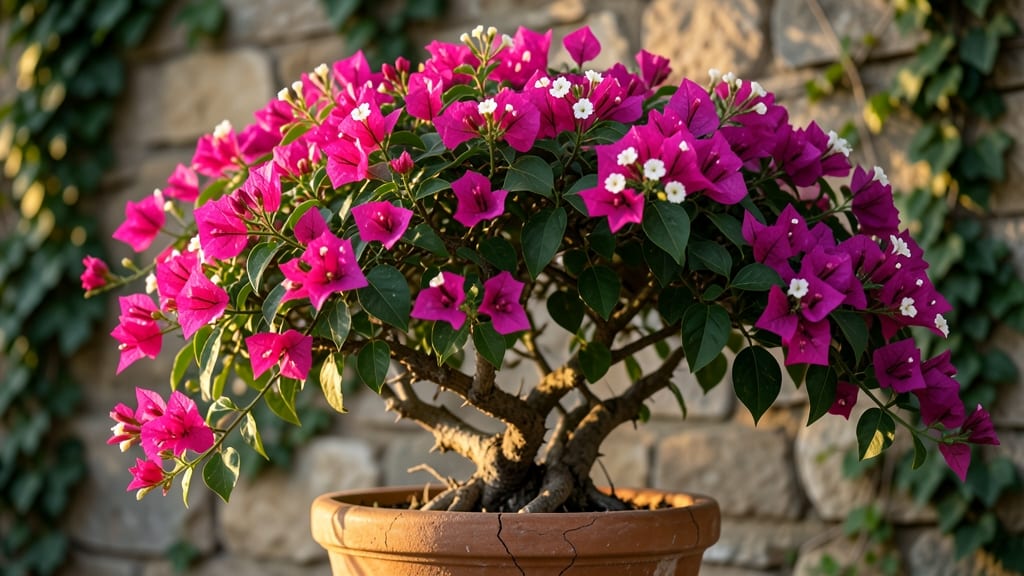
Transforming your yard with a bougainvillea tree in Florida turns it into a vibrant tropical paradise with minimal effort. 🌺 The state’s warm climate means these drought-tolerant beauties bloom year-round, their papery bracts flaunting pinks, purples, and oranges that stop neighbors in their tracks.
My first bougainvillea thrived in full sun with almost no care—just a little pruning and occasional watering kept it lush and flowering like clockwork.
Florida’s humidity and sandy soil might seem challenging, but bougainvillea loves both. These plants thrive in well-draining soil with minimal fuss—they hate soggy roots, so raised beds or mounds work wonders in heavy clay areas.
A morning watering 2-3 times a week keeps them happy, and they’ll reward you with bold blooms even in summer’s scorching heat. The real secret? Planting in full sun—at least 6 hours daily—is non-negotiable for that showstopping color.
Pruning isn’t just about shaping—it’s about encouraging more blooms. Light trims in late winter keep your bougainvillea compact and flowering-heavy, while aggressive cuts in spring promote bushier growth.
Watch for spider mites in Florida’s dry spells (they love the heat too), but a strong spray of water usually clears them out. With the right placement, your bougainvillea will become the star of your landscape, demanding little but delivering maximum impact.
Whether you’re lining a driveway, framing an entryway, or training it up a trellis, bougainvillea’s adaptability makes it Florida’s perfect low-maintenance superstar. Start with one plant, and you’ll soon find yourself dreaming up color combinations—just don’t blame me when your yard becomes the envy of the block. Let’s get growing!
📚 In This Guide
- What you need
- Instructions
- Tips and common mistakes
- Wrapping up and next steps
What you need
- ● Bougainvillea plant: 1-3 nursery-grown plants (3-5 ft tall for quicker color)
- ● OR seeds (if starting from scratch—germination can be tricky!)
- ● Well-draining soil: 50% native Florida soil + 50% cactus/succulent mix (or potting soil)
- ○ Optional: Perlite or coarse sand (1 part per 5 parts soil) for extra drainage
- ● Container or planting hole: For containers: 15-20 gallon pot with drainage holes (terracotta or fabric)
- ● For in-ground: Hole twice as wide as the root ball, amended with soil mix
- ● Fertilizer: Balanced granular fertilizer (10-10-10) or slow-release blooming formula
- ○ Optional: Liquid bloom booster (like fish emulsion) for extra color
- ● Garden trowel or shovel
- ● Pruning shears (sterilized with rubbing alcohol)
- ● Gloves (bougainvillea thorns are sharp!)
- ● Watering can or hose with gentle spray nozzle
- ● Prerequisites: Full-sun location (6+ hours of direct light daily)
- ● USDA Zone 9-11 hardiness (Florida is perfect!)
- ● Drought-tolerant mindset—bougainvillea hates soggy roots!
- ● Mulch (2-3 inches of pine bark or gravel to retain moisture)
- ● Trellis or support structure (for climbing varieties like ‘San Diego Red’)
- ● Epsom salt (1 tbsp/month in water for magnesium boost)
- ● Pest control: Neem oil (for aphids or spider mites)
Step-by-step instructions for planting and caring for bougainvillea in Florida
Here’s how to get vibrant, thriving bougainvillea that blooms year-round in Florida’s heat.
🌱 Step 1: Choose the Right Location and Soil
Bougainvillea thrives in full sun—at least 6-8 hours daily—so pick a spot with southern or western exposure. In Florida’s intense heat, afternoon shade helps prevent leaf scorch, but the plant will still produce fewer blooms. Avoid low-lying areas where cold air pools, as bougainvillea is frost-sensitive.
Amend the soil with sandy loam or a mix of native soil and compost to improve drainage. Bougainvillea roots rot easily in soggy soil, so if your yard is heavy clay, raise the plant in a slightly elevated mound or a large container with drainage holes. A 6-inch layer of gravel at the bottom of the planting hole or pot prevents waterlogging.
🪴 Step 2: Plant at the Correct Depth and Stake for Support
Dig a hole twice as wide as the root ball but no deeper. Gently remove the plant from its container and loosen any circling roots with your fingers. Place it in the hole so the top of the root ball sits 1-2 inches above soil level—this prevents water from pooling around the stem. Bougainvillea needs good airflow to discourage fungal diseases.
Stake the plant immediately with a 4-5 foot bamboo or metal stake tied loosely to the main stem with soft plant ties. Bougainvillea grows vining and sprawling, so support keeps it upright and prevents breakage in storms. Water deeply after planting to settle the soil, then let it dry slightly before the next watering.
☀️ Step 3: Water and Fertilize for Continuous Blooms
Water deeply once a week during the first month to encourage root establishment, then reduce to every 10-14 days once established. Bougainvillea is drought-tolerant but blooms best with consistent moisture—never let it sit in soggy soil. You’ll know it’s thirsty when the leaves curl slightly at the edges or the new growth slows.
Feed with a low-nitrogen, high-phosphorus fertilizer (like 7-9-5 or 5-10-10) every 6-8 weeks during the growing season (spring through fall). Too much nitrogen produces lush foliage but fewer flowers. Apply fertilizer after watering to prevent root burn, and always follow the label rates—over-fertilizing stresses the plant.
✂️ Step 4: Prune Strategically for Shape and More Blooms
Prune bougainvillea twice a year: once in late winter (February) to shape the plant and again in early summer (June) to encourage a second flush of blooms. Use clean, sharp pruning shears and cut just above a leaf node or bud. Avoid cutting into old wood—new growth emerges from the current season’s stems.
Remove any dead, diseased, or crossing branches first. Then, trim back leggy growth by one-third to encourage bushier, more compact growth. Bougainvillea blooms on new wood, so pruning stimulates fresh growth and more flowers. Wear gloves—the thorns are sharp! After pruning, apply a balanced fertilizer to support recovery.
🌿 Step 5: Protect from Pests and Seasonal Challenges
Watch for scale insects, mealybugs, or spider mites, which thrive in Florida’s humidity. Wipe leaves with a soapy water solution (1 tsp mild dish soap per gallon of water) or spray with neem oil if you spot sticky residue or tiny webs. Bougainvillea is generally pest-resistant, but stressed plants attract invaders.
In Florida’s occasional cold snaps, move potted bougainvillea to a sheltered spot or cover it with frost cloth if temperatures dip below 35°F. Mature plants in the ground usually survive brief freezes, but young plants or containers are more vulnerable. Mulch the base with 2-3 inches of wood chips in winter to insulate roots and retain moisture.
Tips & tricks for perfect bougainvillea tree growth in Florida
Here's what nobody tells you about keeping your bougainvillea thriving through Florida's unique challenges.
Location Precision: That 6-8 hours of sunlight rule is non-negotiable, but here's the secret: position your plant to catch morning sun first, then afternoon shade if temperatures exceed 95°F. I've seen bougainvillea in southern Florida locations actually produce more vibrant blooms when they get that morning sun boost—it kickstarts the metabolic processes that lead to those bold colors. Watch for leaf edges turning crispy as your early warning sign for too much midday heat.
Soil Science: When amending your sandy loam or native soil mix, add a handful of perlite or coarse sand to every 5-gallon bucket of soil. This creates micro-pores that improve aeration while maintaining that critical drainage. I learned this the hard way after losing two plants to root rot in heavy clay soil—even with the gravel layer. The key is creating a soil structure that mimics the plant's natural Mediterranean habitat where it thrives on rocky, well-draining slopes.
Watering Wisdom: The "deeply once a week" guideline works, but here's the real trick: water at the base using a soaker hose or drip irrigation rather than overhead watering. This prevents fungal diseases that love Florida's humidity and keeps the leaves dry where pests like mealybugs hide. I've noticed my plants develop more robust root systems when watered this way—they actually seek out moisture deeper in the soil rather than relying on surface water.
Fertilizer Strategy: For those 6-8 week feeding intervals, split your applications into two smaller doses—half now and half again 3 weeks later. This mimics natural rainfall patterns and prevents fertilizer burn. I discovered this after seeing my plants develop yellow leaves from over-fertilizing. The high-phosphorus formula (7-9-5 or 5-10-10) is perfect, but timing matters just as much as the blend. Always apply when the soil is slightly moist to maximize uptake.
Pro Tips for Bougainvillea Tree Florida
- Here's what nobody tells you about keeping your bougainvillea thriving through Florida's unique challenges.
- Location Precision: That 6-8 hours of sunlight rule is non-negotiable, but here's the secret: position your plant to catch morning sun first, then afternoon shade if temperatures exceed 95°F.
- Soil Science: When amending your sandy loam or native soil mix, add a handful of perlite or coarse sand to every 5-gallon bucket of soil.
Frequently asked questions
Got questions about growing bougainvillea trees in Florida? You’re not alone! Here are answers to the most common concerns—from planting tips to troubleshooting—so you can keep your yard bursting with color all year.
Can bougainvillea survive Florida’s winters?
Yes! While bougainvillea thrives in Florida’s heat, it’s semi-tropical—meaning it can handle light freezes (down to 25°F) if protected. In colder zones (like North Florida), mulch the base, wrap the trunk, or grow it in containers for easy winter moves indoors. Prune back dead growth in spring to encourage fresh blooms!
How often should I water a bougainvillea in Florida?
Water deeply but infrequently: 1–2 times per week for established plants (more in extreme heat or sandy soil). Overwatering causes root rot—soak the soil until it drains, then let it dry slightly before the next watering. Pro tip: Drip irrigation or soaker hoses mimic natural rainfall and reduce fungal risks.
Why isn’t my bougainvillea blooming?
Bougainvillea blooms trigger when days are short and sunny—so lack of flowers often means too much shade or fertilizer. Prune leggy growth to encourage bushiness, and use a low-phosphorus fertilizer (like 5-10-10) in spring. Bonus: Deadhead spent blooms to prompt more flowers!
What pests should I watch for in Florida bougainvilleas?
Keep an eye out for scale insects, mealybugs, and whiteflies—common in Florida’s humid climate. Spray with neem oil or insecticidal soap for mild infestations. For severe cases, introduce beneficial ladybugs or consult a local nursery. Prevent tip: Healthy plants resist pests better—prune for airflow!
Can I grow bougainvillea in a pot in Florida?
Containers are perfect for Florida’s variable zones—just use a fast-draining mix (like cactus soil) and a pot with drainage holes. Choose 3–5 gallon pots for mature plants, and move them to partial shade during winter if temps dip below 30°F. Container hack: Elevate pots to prevent waterlogging!
Wrapping up and next steps
Transforming your Florida yard with a bougainvillea tree is a rewarding way to embrace vibrant, low-maintenance beauty year-round! 🌺 These sun-loving plants thrive in the Sunshine State, offering bold colors with minimal fuss—just remember their love for well-draining soil, full sun, and occasional pruning.
Whether you’re a seasoned gardener or a beginner, bougainvillea’s resilience and striking blooms make it a perfect addition to patios, containers, or even as a privacy screen.
Ready to bring this tropical charm to your space? Start by selecting your favorite variety—from the classic Bougainvillea spectabilis to the compact Bougainvillea glabra—and gather your supplies. Then, roll up your sleeves and plant with confidence!
Your future self (and your neighbors) will thank you for the burst of color that’ll keep your yard looking lively and inviting.