
Pruning
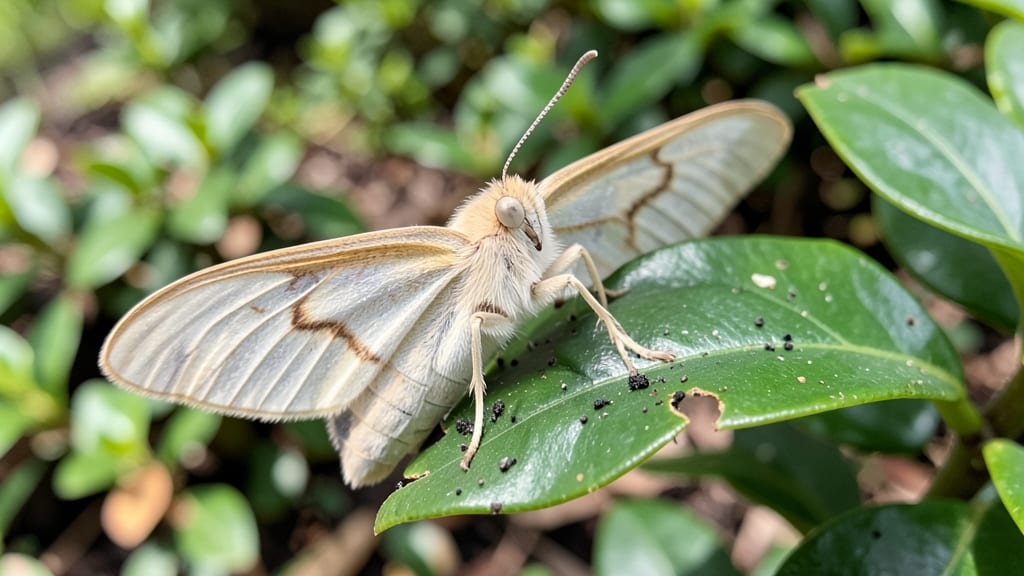
Box tree moth pheromone traps saved my prized specimen from becoming skeletonized last summer. 🌿 The key to stopping this invasive pest isn't just setting up a trap—it's catching the moths early before they lay eggs that turn your boxwoods into lace curtains.
I'll show you exactly how to set these up for maximum effectiveness, including the best spots, timing, and what to do when you find those telltale white egg masses.
You'll need just three things: the pheromone trap itself (available online or at garden centers), a pair of pruning shears, and a little patience. The traps work by mimicking female moth pheromones to lure males away from your plants—think of it as a dating decoy that keeps them from spreading.
Most gardeners see results within 2-3 weeks of setup, but timing matters: place traps before adult moths emerge in spring and again in fall when they're most active.
What you'll achieve is peace of mind during peak moth season, with fewer caterpillars munching your boxwoods. The traps don't solve everything—you'll still need to prune infested branches and watch for new egg clusters—but they give you the early warning system you need to act fast.
I've seen gardens go from 90% defoliation to barely any damage just by combining traps with regular inspections.
This system works best for established boxwoods in temperate climates, but even in milder areas, you'll want to keep traps out through October. The moths are relentless, but with this early detection method, you'll stay one step ahead of them all season long.
Let's get those traps set up before next year's infestation hits.
📚 In This Guide
- What you need
- Instructions
- Tips and common mistakes
- Wrapping up and next steps
What you need
- ● Pheromone trap: 1–2 box tree moth-specific traps (e.g., Delta traps or similar). Look for traps labeled with Cydalima perspectalis pheromones.
- ● Pheromone lures: 1–2 replacement lures (check the trap’s compatibility). Lures typically last 4–8 weeks, depending on weather.
- ● Sturdy pole or tree branch: 1 6–10 ft tall support (e.g., wooden stake, metal pole, or even a sturdy tree limb).
- ● Trap hanger or zip ties: 1–2 weather-resistant hangers or zip ties (3–4 inches wide) to secure the trap.
- ● Scissors or pruning shears: 1 pair for trimming branches or cutting zip ties if needed.
- ● Notebook and pen: 1 for recording trap inspections and moth counts (critical for tracking infestations!).
- ● Gloves: 1 pair of nitrile or latex gloves for handling traps and lures without oils transferring.
- ● Trap stand: A collapsible or adjustable stand for easier placement in hard-to-reach areas.
- ● Spray bottle with soapy water: For quickly rinsing traps if debris or sap accumulates.
- ● Camera or phone with macro mode: To capture close-ups of moths for identification or documentation.
- ● Extra lures: 2–3 backup lures to avoid interruptions during peak moth seasons.
Step-by-step instructions for setting up a box tree moth pheromone trap
Here's how to deploy this simple but powerful early warning system.
🪴 Step 1: Choose the Right Trap Location
Position your pheromone trap where boxwoods are most vulnerable—within 20 feet of infested plants or along property edges where moths first enter. I like to hang traps 5-6 feet above ground on a sturdy branch or fence post, out of direct sunlight but not deep shade. Moths are most active in late afternoon (3-6 PM), so you'll catch them when they're most active.
If you have multiple boxwoods, place one trap per 100 square feet of foliage. I've found that traps near sunny, sheltered areas (like under eaves or near shrubbery) catch more moths because that's where females release pheromones to attract males. Avoid hanging traps where wind gusts might dislodge them—secure with a zip tie or small wire to prevent damage.
💧 Step 2: Install and Activate the Trap
Open the trap package and carefully remove the pheromone lure from its protective packaging. Most traps come with a pre-loaded lure that lasts 4-8 weeks, depending on the brand. Insert the lure into the designated slot (usually at the top of the trap) and screw the cap tightly—this ensures the pheromone disperses evenly.
Hang the trap immediately after installation—delaying even 24 hours reduces effectiveness. I like to mark the installation date on the trap with a permanent marker so I can track lure replacement. Once hung, the trap should face east or southeast to catch moths as they emerge from shelter. You'll know it's working when you see moths stuck to the trap's sticky surface within 3-5 days of setup.
⏰ Step 3: Monitor and Replace Lures Regularly
Check your traps every 3-4 days during peak moth season (late spring to early fall). Remove any trapped moths with a pair of tweezers or a stiff brush—don't touch them bare-handed, as oils from your skin can interfere with the pheromone. Record the number of moths caught each week; even 1-2 moths per trap signals active infestation in your area.
Replace the pheromone lure every 4-6 weeks, or when you notice fewer than 3 moths per week being caught—this means the lure has weakened. I always keep a spare lure on hand and set a calendar reminder to avoid gaps in monitoring. If you see no moths after 2 weeks, move the trap 10-15 feet closer to your boxwoods or relocate it to a different side of the property.
🌿 Step 4: Integrate with Other Defense Strategies
While the pheromone trap detects moths early, combine it with physical barriers for full protection. Wrap young boxwoods in fine mesh netting (like tulle fabric) during egg-laying season, or apply kaolin clay as a natural repellent. I've had the best results when traps are paired with neem oil sprays applied to foliage—this disrupts moth feeding while the trap monitors activity.
Don't forget to prune infested boxwoods in early spring before moths emerge. Remove and destroy (don't compost) any white silk webbing or brown frass (moth droppings)—these are signs of overwintering eggs. The trap alone won't eliminate an infestation, but it gives you a 3-4 week head start to act before larvae hatch and damage begins.
Tips & tricks for perfect box tree moth trap placement
These simple strategies will help you maximize your early detection system's effectiveness every season.
Location Intelligence: The 5-6 foot height recommendation isn't arbitrary—it's the perfect height to catch moths as they emerge from shelter but before they reach your boxwoods. I've found that traps hung too low get blocked by ground debris, while those too high miss the moths' flight path. For maximum coverage, position traps near where you've seen previous damage or where boxwoods touch fences/walls—these are prime entry points for moths.
Timing Secret: That 3-5 day window for catching first moths is your critical early warning period. Don't wait until you see damage to install traps—instead, set them up right when you prune your boxwoods in early spring (before moths emerge). I mark my calendar for the first week of April each year to ensure I'm ready before the moths are active. The sooner you catch those first few moths, the sooner you can act to protect your plants.
Monitoring Strategy: The every 3-4 day check isn't just about counting moths—it's about creating a pattern. Keep a simple logbook or spreadsheet tracking catch numbers. When you see a sudden spike (like 5+ moths in one check), that's your signal to implement immediate defenses. I've caught infestations early enough to save entire boxwoods by noticing these patterns before any visible damage appeared.
Lure Longevity: While most lures last 4-8 weeks, I've found that in hot, humid climates they degrade faster—sometimes in as little as 3 weeks. If you're in a warm region, consider replacing lures every 3-4 weeks regardless of moth count. The key is to maintain that consistent pheromone signal so male moths keep coming to the trap rather than your plants.
Pro Tips for Box Tree Moth Pheromone Trap
- These simple strategies will help you maximize your early detection system's effectiveness every season.
- Location Intelligence: The 5-6 foot height recommendation isn't arbitrary—it's the perfect height to catch moths as they emerge from shelter but before they reach your boxwoods.
- Timing Secret: That 3-5 day window for catching first moths is your critical early warning period.
Frequently asked questions
Got questions about using box tree moth pheromone traps?
You’re not alone! Here are answers to the most common concerns to help you get started with confidence.
When is the best time to set up a box tree moth pheromone trap?
Deploy traps early in spring (March–April) before adult moths emerge, or again in late summer (August–September) for the second generation. Traps should stay active for at least 6–8 weeks per season to catch migrating males. Check local climate zones—warmer regions may need adjustments!
How often should I check the trap for moths?
Inspect traps weekly during peak activity (spring/fall). If you spot 5+ males per week, it’s a red flag—act fast with pruning or insecticides. Empty traps monthly or when sticky to maintain effectiveness. Pro tip: Use a flashlight at dusk to spot tiny moths hiding in folds!
Are pheromone traps a one-time purchase, or do I need to replace them yearly?
Traps themselves last 1–2 seasons, but pheromone lures expire after 3–6 months (check packaging). Replace lures annually or sooner if traps become less effective. Sticky bases may need replacing if overly saturated. Budget $20–$50/year for maintenance—worth it for long-term protection!
What if I don’t have boxwoods? Can I still use these traps?
Yes! Traps monitor wild populations too, helping protect nearby gardens. Place them 10–20 feet from other shrubs (e.g., yews, hollies) to catch moths before they spread. Just avoid placing traps near water sources—moths won’t fly toward them!
My trap isn’t catching any moths. Did I do something wrong?
Don’t panic! Try these fixes:
- Relocate the trap to a sunny, sheltered spot (1.5–3 ft high).
- Check lure freshness—old lures lose potency.
- Increase trap density if infestations are severe (use 2–3 traps).
- Confirm timing—moths may not be active yet.
Wrapping up and next steps
Protecting your garden from the box tree moth doesn’t have to be a guessing game!
With a box tree moth pheromone trap, you’ve got a proactive, science-backed tool to catch infestations early—before they wreak havoc on your beloved plants. 🌿 By following the steps outlined here, you’ll not only safeguard your greenery but also contribute to a healthier ecosystem by controlling this invasive pest naturally.
Ready to take action? Set up your traps this season and keep an eye on those sticky cards—your garden’s future depends on it! For extra peace of mind, consider pairing your pheromone traps with regular inspections and organic treatments. You’ve got this!