
Pruning
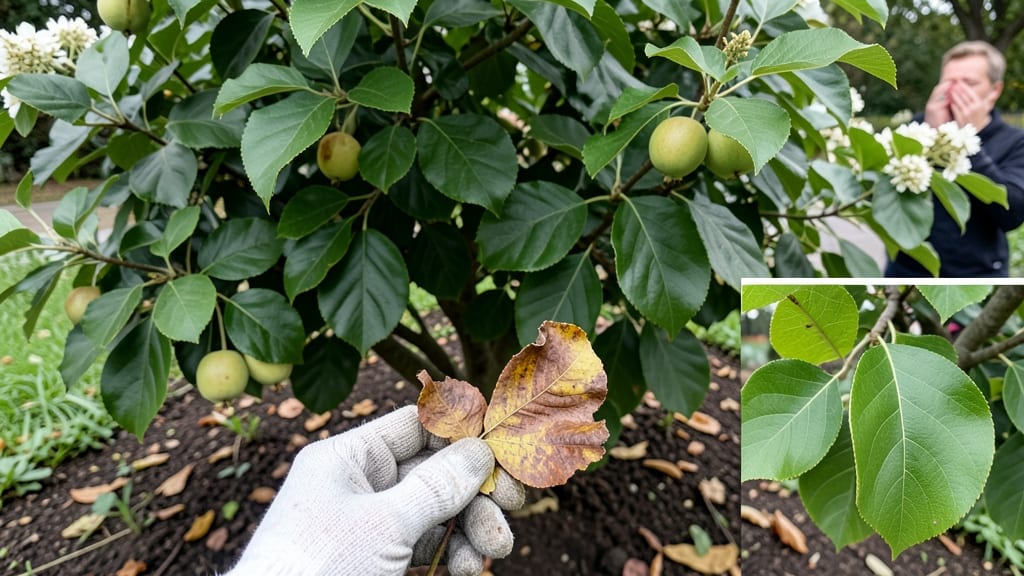
Your itchy eyes and sneezing fits every spring aren’t just seasonal—those are Bradford pear tree allergy symptoms in action. 🌳 The tree’s prolific pollen triggers reactions in millions, but there are ways to manage them without giving up your yard’s beauty.
Most symptoms appear within minutes of exposure: watery eyes, nasal congestion, or even skin rashes from sap contact. The tree’s male flowers release pollen earlier and in higher volumes than many native trees, making it a top offender. But proper pruning and timing can reduce pollen spread significantly.
You’ll notice fewer allergens if you prune before buds swell in late winter, removing dead branches that trap pollen. Planting native alternatives like serviceberry or hackberry nearby can also help break the Bradford pear’s pollen dominance in your area.
For immediate relief, keep windows closed during peak pollen hours (early morning) and shower after outdoor time. The right tree choices and yard care make a surprising difference—your spring won’t have to be misery season anymore.
📚 In This Guide
- What you need
- Instructions
- Tips and common mistakes
- Wrapping up and next steps
What you need
- ● Safety gear: Nitrile or latex-free gloves (2 pairs) – Bradford pear pollen can trigger skin reactions
- ● Long-sleeved shirt and long pants (lightweight, breathable fabric)
- ● Safety goggles (rated for dust/pollen)
- ● N95 respirator mask (for heavy pruning or high pollen days)
- ● Pruning tools: Bypass pruning shears (sharp, 6–8" blades) – 1 pair
- ● Loppers (for thicker branches, 18–24" handles) – 1 pair
- ● Pruning saw (for large branches, 20–24" blade) – 1
- ○ Extension pole saw (optional, for high branches) – 1
- ● Cleanup supplies: Heavy-duty trash bags (20–30 gallon, 2–3 bags)
- ● Disposable rags or paper towels (for wiping tools)
- ● Bleach or 70% isopropyl alcohol (for sanitizing tools)
- ● First-aid & allergy relief: Antihistamine cream (e.g., hydrocortisone 1%)
- ● Oral antihistamines (e.g., cetirizine or loratadine)
- ● EpiPen (if you have severe allergies – consult a doctor first)
- ● Saline spray or eye drops (for irritation)
- ● Pollen mask with activated carbon filter (for extra protection)
- ● Hose with nozzle (for rinsing tools and branches post-pruning)
- ● Ladder (if branches are >10 feet high – ensure it’s stable and rated for your weight)
- ● Notebook and pen (to track symptoms or pruning notes)
- ● Petroleum jelly (to seal nostrils if working near heavy pollen)
How to recognize and manage Bradford pear tree allergies
Here's what you need to know to spot symptoms early and take action before they worsen.
🌿 Step 1: Identify the Most Common Symptoms
Bradford pear tree allergies typically trigger respiratory reactions within minutes to hours of exposure. Watch for nasal congestion, sneezing fits, and itchy, watery eyes—these are the classic trio. Some people also develop itchy throat or ears, which can feel like an irritating tickle that won't go away.
Skin reactions are less common but possible, appearing as hives or a rash that spreads after touching the tree's buds, flowers, or leaves. If you notice swelling around the lips or face, seek medical help immediately—this could signal a severe allergic reaction called angioedema. Keep a symptom journal to track patterns, especially during spring blooming season (typically March to May depending on your climate).
🌸 Step 2: Differentiate Between Allergies and Other Irritants
Bradford pear allergies often mimic cold symptoms or seasonal hay fever, but there are key differences. Allergic reactions to this tree usually flare up suddenly when you're near the tree, while colds develop gradually. Pay attention to timing: if symptoms vanish indoors but return outside, the tree is likely the culprit.
Another clue is specific triggers. If you're fine around other flowering trees but react near Bradford pears, that's a strong indicator. Some people also report worsening symptoms on windy days, when pollen spreads farther. Use a pollen tracker app to confirm if local Bradford pear trees are in bloom—this can help you avoid exposure during peak pollen hours (usually 5 AM to 10 AM).
💧 Step 3: Take Immediate Relief Measures
For mild symptoms, start with over-the-counter antihistamines like loratadine or cetirizine, taken 30 minutes before potential exposure. Keep a nasal saline spray handy to flush out pollen and reduce congestion. Cold compresses can soothe itchy eyes or skin reactions, while petroleum jelly applied around the nostrils acts as a physical pollen barrier when outdoors.
If symptoms persist or worsen, oral corticosteroids (like prednisone) may be prescribed for short-term relief. For severe reactions, carry an epinephrine auto-injector (e.g., EpiPen) if your doctor has prescribed one. Always test new medications during low-exposure periods to monitor reactions—some antihistamines can cause drowsiness or dry mouth, which may not be ideal for daily use.
✂️ Step 4: Reduce Long-Term Exposure Risks
If Bradford pear trees are common in your area, avoid outdoor activities during high-pollen days (check local forecasts). Wear wrap-around sunglasses and a NIOSH-rated N95 mask when near trees to block pollen. Shower immediately after being outside and wash clothes in hot water to remove trapped pollen—this prevents nighttime exposure from lingering on fabrics or skin.
For outdoor spaces, consider removing Bradford pear trees if they're on your property—replacing them with hypoallergenic alternatives like serviceberry or crabapple can significantly reduce symptoms. If removal isn't an option, prune trees in late winter (before blooming) to minimize pollen spread. Keep windows closed and use high-efficiency air filters (HEPA) indoors to capture airborne allergens.
🌱 Step 5: Monitor and Adjust Your Plan
Track your symptoms weekly to identify patterns—note when reactions are worst (e.g., after rain, which can release trapped pollen). If over-the-counter treatments stop working, consult an allergist for allergy testing (skin prick or blood tests) to confirm Bradford pear as the trigger. Some people benefit from allergy shots (immunotherapy), which can reduce sensitivity over time but require 3-5 years of treatment.
Real talk: allergies can change yearly. What worked last spring might fail this year due to tree health, weather, or pollen counts. Stay flexible with your approach—adjust medications, avoidances, or treatments as needed. If you're planning to move or travel, research local tree species ahead of time to prevent future flare-ups. A little preparation goes a long way in managing these reactions.
Tips & tricks for managing Bradford pear tree allergies
Here's what nobody tells you about navigating these reactions like a pro—these insights will help you stay ahead of symptoms and keep your spring comfortable.
Timing is Everything: The 30-minute window before potential exposure is critical when taking antihistamines like loratadine or cetirizine. I've learned this the hard way—taking them after symptoms already appear can leave you feeling sluggish without full relief. Set a reminder on your phone for those peak pollen hours (5 AM to 10 AM) to ensure you're protected before heading outside. This proactive approach can make all the difference on high-pollen days.
Symptom Journaling Strategy: Keep a symptom journal that goes beyond just checking boxes. Note the specific activities you were doing when reactions occurred—walking near a cluster of trees, mowing the lawn, or even opening windows. I track my symptoms in a simple spreadsheet with columns for date, time, activity, symptoms, and relief measures. Over time, you'll spot patterns that reveal your personal triggers, which might not always be obvious. This data becomes your most powerful tool for prevention.
Environmental Defense Tactics: When you come indoors after outdoor exposure, don't just shower—create a full pollen decontamination routine. Start by changing clothes immediately (pollen clings to fabrics), then take a shower with lukewarm water to help open pores for better cleansing. Wash your hair separately with a gentle shampoo, as pollen often settles there. I keep a dedicated towel for this purpose to avoid cross-contamination in my bathroom. This multi-step process removes pollen from your skin, hair, and clothing before it has a chance to trigger nighttime symptoms.
Medication Testing Protocol: Never assume a new medication will work perfectly—especially when dealing with allergies. Before spring arrives, test any new antihistamines or nasal sprays during a low-exposure period (like winter) to monitor for side effects. I once switched to a new antihistamine without testing and spent three days battling drowsiness that made my allergy symptoms feel worse. Always start with half the recommended dose to assess your body's response before full exposure seasons begin. This precaution prevents unpleasant surprises when you need relief most.
Pro Tips for Bradford Pear Tree Allergy Symptoms
- Here's what nobody tells you about navigating these reactions like a pro—these insights will help you stay ahead of symptoms and keep your spring comfortable.
- Timing is Everything: The 30-minute window before potential exposure is critical when taking antihistamines like loratadine or cetirizine.
- Symptom Journaling Strategy: Keep a symptom journal that goes beyond just checking boxes.
Frequently asked questions
Got questions about Bradford pear tree allergies? You’re not alone!
Here are some of the most common concerns—and clear, actionable answers to help you manage symptoms and make informed decisions.
When do Bradford pear tree allergies typically flare up?
Bradford pear tree allergies usually peak during late winter to early spring (February–April), when the tree blooms. Pollen counts rise early in the morning, so symptoms may worsen if you’re outdoors before 10 AM. If you’re sensitive, avoid outdoor activities during peak bloom times or keep windows closed at home.
How can I reduce allergy symptoms indoors?
Start with air purification: Use a HEPA filter, run an air purifier, and vacuum frequently with a HEPA-equipped vacuum. Shower and change clothes after being outside to remove pollen. Keep humidity low (below 50%) to discourage mold growth, and consider allergy-proof covers for pillows and mattresses.
Are there hypoallergenic alternatives to Bradford pear trees?
Yes! If you love the look but hate the allergies, opt for hypoallergenic trees like the Oakleaf Hydrangea, Serviceberry, or Crape Myrtle. Even some non-pollen-producing plants, like Boxwood or Japanese Maple, are safer choices. Check with local nurseries for region-specific recommendations!
What over-the-counter (OTC) treatments work best for Bradford pear allergies?
For mild symptoms, try antihistamines (like Zyrtec or Claritin) or nasal sprays (e.g., Flonase). For eye irritation, ketotifen or olopatadine drops can help. Decongestants (like Sudafed) may offer short-term relief, but avoid them long-term. Always check with a doctor before combining meds.
When should I see an allergist about Bradford pear allergies?
See an allergist if OTC treatments don’t work, symptoms worsen (e.g., asthma attacks), or you experience severe reactions like swelling, dizziness, or trouble breathing. Allergists can perform skin prick tests or blood tests to confirm allergies and recommend immunotherapy (allergy shots) for long-term relief.
Can pruning a Bradford pear tree reduce allergies?
Pruning won’t eliminate allergies, but it can help by reducing pollen spread. Remove dead or overgrown branches in late winter (before blooming) to improve airflow and decrease pollen density. Avoid heavy pruning during peak bloom—this can increase pollen release temporarily.
Still unsure? Bookmark this section or save it for later—your allergy relief is just a scroll away!
Wrapping up and next steps
Dealing with Bradford pear tree allergy symptoms can be frustrating, but knowing the signs and taking proactive steps can make a big difference. 🌿 From sneezing and itchy skin to more severe reactions, awareness is your first line of defense.
The good news? With the right precautions—like proper pruning, wearing protective gear, and keeping your space clean—you can significantly reduce exposure and enjoy your outdoor time without worry.
If you suspect an allergy, consult a healthcare provider for personalized advice. Start by reviewing our pruning tips to minimize allergen spread, and consider replacing Bradford pears with hypoallergenic alternatives if needed. You’ve got this—small steps lead to big relief! 🌟