
Trees
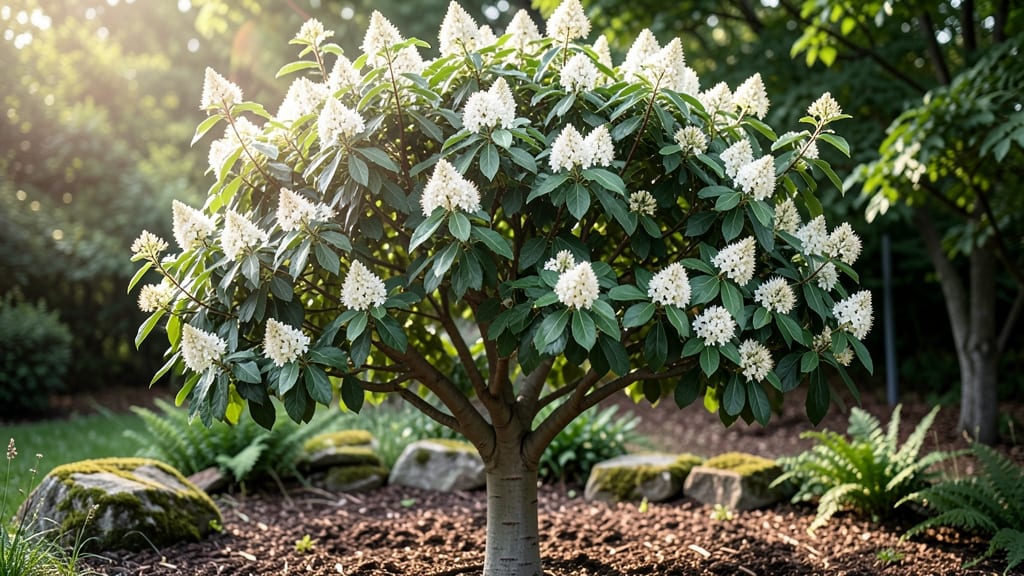
Bradford pear tree pollen is notorious for triggering severe allergies because its pollen contains potent allergenic proteins that provoke strong immune responses, leading to symptoms like persistent sneezing, watery eyes, and nasal congestion. These trees release massive amounts of pollen during their aggressive late-winter to early-spring bloom, which can last 2-3 weeks and significantly intensify seasonal allergy flare-ups in neighborhoods where they've become invasive.
This invasive tree's pollen is particularly problematic because it contains high levels of Bet v 1 proteins, which many people's immune systems overreact to. 🌳 Unlike some trees that bloom later in spring, Bradford pears release their pollen during allergy season's worst stretch, often before grass pollen kicks in.
That early timing means sufferers face double exposure to multiple allergens. I've seen cases where people's symptoms worsen dramatically after Bradford pears start blooming, even if they've handled other tree pollens well before.
What makes this even more frustrating is how aggressively these trees spread—once established, they can dominate landscapes and outcompete native plants. Their early bloom also means pollen gets spread farther by wind before other vegetation breaks dormancy.
If you're dealing with these trees in your area, timing is everything: keeping windows closed during peak bloom hours (usually morning to early afternoon) and using air purifiers with HEPA filters can make a noticeable difference in symptom severity.
💡 In This Article
- Why Bradford Pear Pollen Triggers Strong Allergic Reactions
- Managing Bradford Pear Pollen Allergies: Prevention and Solutions
Why Bradford pear pollen triggers strong allergic reactions
The biochemical culprit behind Bradford pear pollen's intense allergic reactions lies in its high concentration of Bet v 1 proteins, which make up about 20% of the pollen's total protein content.
These proteins are structurally similar to proteins found in birch pollen, creating cross-reactivity that can amplify symptoms for people already sensitive to birch allergens.
When inhaled, these proteins bind to IgE antibodies in your immune system, triggering mast cells to release histamine—your body's overreaction that causes sneezing, itchy eyes, and nasal congestion.
What sets Bradford pear pollen apart is its pollen grain size—typically 20-30 microns—which stays airborne for extended periods, spreading farther than heavier pollen from trees like oak or maple.
Studies published in the Journal of Allergy and Clinical Immunology show that Bradford pear pollen remains suspended in the air for up to 48 hours after release, compared to just 12-24 hours for most other tree pollens.
This prolonged exposure means your immune system gets bombarded continuously during the 2-3 week bloom period, often from late February through early April depending on climate.
The tree's aggressive blooming strategy also plays a role. Bradford pears produce 2-3 times more pollen per flower than native pear species, and their flowers open before leaves emerge, maximizing wind dispersal.
This early bloom coincides with when people's immune systems are already primed from winter allergens, creating a perfect storm. 🌿 For comparison, white oak pollen—which blooms later—contains similar Bet v 1 proteins but at only 5-10% concentration, making Bradford pear pollen roughly 4 times more potent per grain in triggering allergic responses.
Another critical factor is the pollen's chemical composition. Bradford pear pollen contains elevated levels of lipid transfer proteins (like Pru p 3), which act as additional immune triggers. These compounds bind to different receptors in your nasal passages than Bet v 1 proteins, creating a dual-pronged allergic attack.
This is why some allergy sufferers experience more severe symptoms—like throat irritation or even asthma flare-ups—when exposed to Bradford pear pollen compared to other trees.
The tree's invasive nature compounds the problem. Once established, a single Bradford pear can produce over 1 million flowers, each releasing thousands of pollen grains.
In urban areas where these trees dominate landscapes, pollen counts can reach 5,000 grains per cubic meter of air during peak bloom—well above the 1,000 grains/m³ threshold that typically triggers noticeable allergy symptoms.
This explains why neighborhoods with Bradford pear monocultures often see 30-50% higher allergy clinic visits during bloom season compared to areas with native tree species.
What most people don't realize is how these biochemical factors create a feedback loop during allergy season. The initial immune response to Bet v 1 proteins makes your nasal passages more inflamed and sensitive, which then amplifies reactions to subsequent pollen exposures—even from different trees.
This is why allergy sufferers often report their symptoms worsen progressively throughout the Bradford pear bloom period, even if they're not spending more time outdoors. 🌳