
Container Gardens
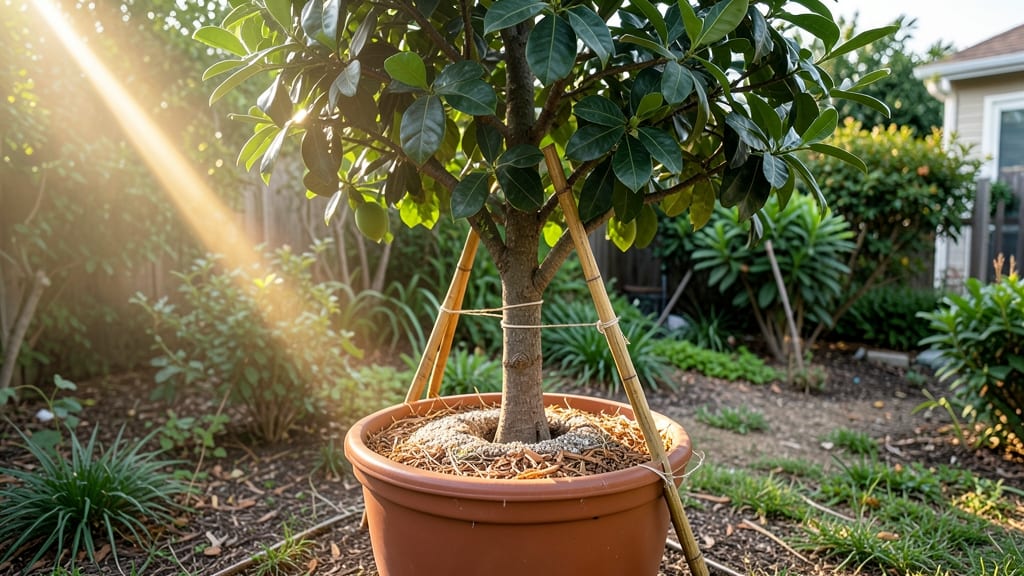
You can grow a mango tree in a pot using dwarf varieties like 'Cogshall' or 'Julie,' which adapt well to container life with proper soil, sunlight, and pruning. A minimum 15-gallon pot with drainage holes is essential to prevent root rot, whether placed indoors or outdoors.
Dwarf mango varieties are specifically bred to handle container life, making them ideal for patios or small yards. 🌱 The key to success lies in replicating their tropical environment—well-draining soil mixes (like 60% potting soil and 40% perlite) and 6-8 hours of direct sunlight daily are non-negotiable.
I've found that regular pruning every 3-4 months keeps the tree manageable while encouraging fruit production, though it may take 3-5 years before your potted mango bears its first harvest.
What surprises many beginners is how adaptable these trees can be. With the right care, some container-grown mangoes even produce fruit indoors near south-facing windows, though outdoor placement yields better results. The trade-off? You'll need to monitor watering closely—overwatering is the fastest way to kill a potted mango.
💡 In This Article
- Best Dwarf Mango Tree Varieties for Pots
- Container Gardening Tips for Healthy Potted Mango Trees
Best dwarf mango tree varieties for pots
When selecting a dwarf mango for container growing, focus on varieties bred for compact growth and adaptability to limited root space. The 'Cogshall' variety stands out as a top choice, maturing at just 10-15 feet tall with a spread of 8-10 feet—ideal for large pots or even small patios.
Its fruit ripens early in the season (January-February), producing sweet, yellow-orange mangoes that weigh about 1-2 pounds each. The 'Julie' variety offers similar compactness but produces slightly smaller fruit with a thicker skin, making it more resistant to bruising during transport.
The 'Ice Cream' mango is another excellent option, known for its creamy, snow-white flesh that's less fibrous than traditional varieties. This tropical beauty thrives in containers and produces fruit year-round in warm climates, though it prefers 75-85°F temperatures to set fruit properly.
What makes these dwarf varieties special is their root system—shallow but dense—which allows them to absorb nutrients efficiently from container soil mixes. Unlike their full-size counterparts that need deep soil profiles, these varieties focus energy on fruit production rather than root expansion.
Climate adaptability is where these dwarf varieties shine. While all mangoes originate from tropical regions, these container-specific types can tolerate brief temperature dips down to 30°F if protected, making them suitable for USDA zones 9-11 with proper winter care. The trade-off?
They require more frequent watering in containers since pots dry out faster than ground soil. I've found that 'Cogshall' handles partial shade better than 'Julie,' which demands full sun exposure for optimal fruiting—this distinction matters when positioning your pot in less-than-ideal locations.
For those in cooler climates, consider the 'Haden' dwarf variety, which produces the classic red mango flavor while staying under 12 feet tall. Its thicker branches handle wind better than some other dwarfs, making it more stable in outdoor containers.
The key difference between these varieties lies in their flowering patterns: some bloom continuously while others have distinct seasonal cycles, affecting fruit production timing. Understanding your local climate's growing season helps match the right variety to your container setup.
What most people overlook is how these dwarf varieties respond to container size. While a 15-gallon pot works for young trees, mature specimens may need 30-50 gallons to prevent root binding. The root-to-pot ratio is critical—roots need space to breathe and access nutrients without becoming waterlogged.
I've seen containers with insufficient drainage lead to root rot within months, even with drought-tolerant varieties. The solution? Elevate pots on stands and use saucers with drainage holes to prevent water from pooling at the base.
Here's what to look for when choosing your dwarf mango: prioritize varieties with thick, sturdy trunks (indicating good root development) and dark green, glossy leaves (sign of healthy photosynthesis). Avoid trees with yellowing leaves or powdery mildew, as these signs indicate stress from poor container conditions.
The right variety combined with proper pot selection sets the foundation for years of tropical fruit production on your patio.