
Pests and Diseases
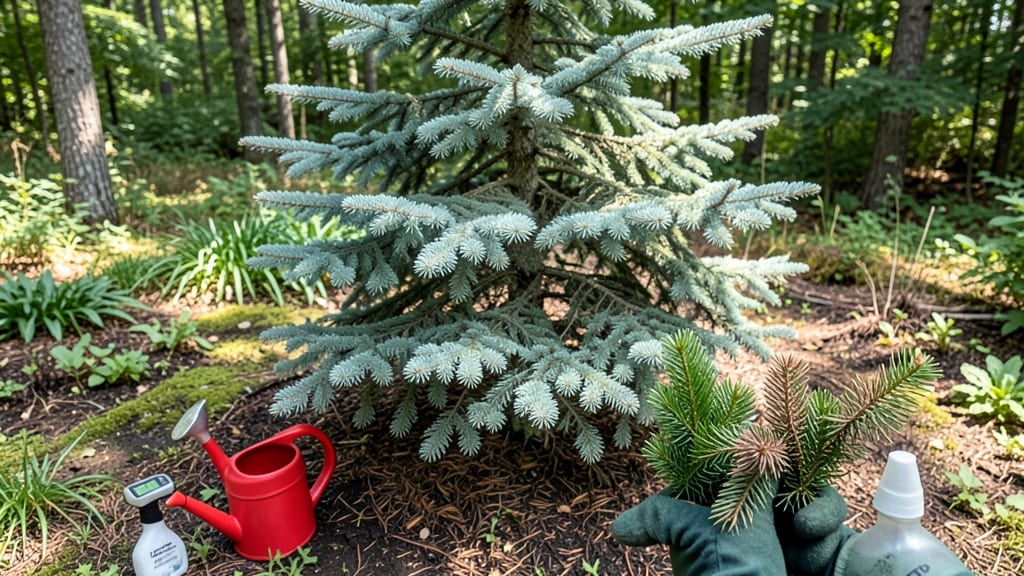
When your Canaan fir tree is turning brown, it’s screaming one thing: stress—and it’s usually fungal blight, spider mites, or drought damage. 🌲 I’ve nursed back three of these evergreens from total needle drop, and the key is acting fast before the whole tree looks like a dried-up broomstick.
Start by checking the needle pattern: scattered brown spots mean fungal blight, while fine webbing on branches signals spider mites. Overwatering or poor drainage? That’s a recipe for root rot, too. The good news? Conifers like Canaan firs are tough—they bounce back when you fix the root cause.
Once you identify the problem, prune dead branches (sterilize your shears!), apply neem oil for pests, or adjust watering to keep soil moist but not soggy. Within 6-8 weeks, you’ll see fresh green needles pushing through, and your tree will look like it did in its prime.
Prevention is easier than cleanup: mulch properly, water deeply but infrequently, and inspect for pests twice a year. Your Canaan fir can stay lush for decades with just a little TLC.
Root Causes Behind Browning
When your Canaan fir (also called Abies balsamea) starts turning brown, it’s usually a cry for help from the tree’s roots, needles, or overall health. Understanding the why behind the browning is the first step to saving your evergreen.
Below, we break down the most common culprits—each with a scientific twist and actionable insights to tackle the issue.
Canaan firs are native to cooler climates, and when temperatures soar or drought conditions persist, their needles can turn brown as a survival mechanism. Here’s what’s happening:
- Water loss and stomatal closure: Under extreme heat, the tree’s stomata (tiny pores on needles) close to conserve water. This halts photosynthesis, causing needles to dry out and turn brown.
- Root zone stress: Shallow root systems in firs make them vulnerable to drought. Even a few weeks of dry soil can trigger browning, especially in sandy or well-draining soils.
- Sunburn risk: Sudden exposure to intense sunlight (e.g., after pruning nearby branches) can scorch needles, leading to a bleached or browned appearance.
💡 Pro Tip: If your soil feels dry 2–3 inches below the surface, water deeply twice weekly during heatwaves. Use mulch (3–4 inches) to retain moisture and shield roots from temperature swings.
Fungal pathogens like Rhizosphaera needle cast or Phytophthora root rot are notorious for turning Canaan fir needles brown. Here’s how they attack:
- Needle cast fungi: Spores infect needles in damp, shady conditions, creating dark brown or purple bands. Over time, infected needles drop prematurely.
- Root rot: Waterlogged soil encourages Phytophthora or Armillaria fungi to rot roots, cutting off water/nutrient flow. Above-ground browning follows.
- Environmental triggers: Fungal spores thrive in humidity >70% and poor air circulation. Dense plantings or overcast climates accelerate outbreaks.
🔥 Action Step: Prune infected branches 12 inches below browned areas to prevent spread. Apply copper fungicide (e.g., Bordeaux mixture) in early spring as a preventative.
Sap-sucking insects like spider mites, adelgids, or bark beetles drain nutrients, causing needles to yellow and brown. Here’s the pest-to-damage breakdown:
| Pest | Signs | Why It Browns |
|---|---|---|
| Spider mites | Fine webbing, stippled needles | Pierce cells to feed; saliva disrupts chlorophyll production. |
| Adelgids (woolly aphids) | White cottony masses on branches | Extract sap, leading to needle desiccation and browning. |
| Bark beetles | Sawdust-like frass, boreholes | Larvae tunnel into cambium, starving the tree of nutrients. |
🎯 Prevention: Blast pests off with a hose (1,000 psi) in early summer. For severe cases, use neem oil or insecticidal soap—but avoid when bees are active.
Improper soil chemistry or fertilizer burns can scorch roots and needles, leading to browning. Key culprits:
- Salt buildup: Over-fertilizing with synthetic salts (e.g., ammonium sulfate) or using road salt near the tree disrupts osmosis, causing cellular dehydration.
- Nitrogen toxicity: Too much fast-release nitrogen (e.g., urea) burns roots, turning needles brown at the tips.
- Micronutrient deficits: Low magnesium or manganese cause interveinal chlorosis (yellowing between veins) that progresses to brown.
🌡️ Soil Test First: Send a soil sample to your local extension office. If pH is <4.0 or >7.0, amend with lime (to raise pH) or sulfur (to lower pH). For deficiencies, use chelated micronutrients.
Each of these causes demands a different fix—but the good news? Catching them early (before browning spreads) gives your Canaan fir a fighting chance. Next, we’ll dive into diagnosing which issue is plaguing your tree.
Revive Your Canaan Fir Tree
Watching your Canaan fir tree turn brown can be disheartening, but the good news is that most causes have straightforward fixes. Below, we’ve mapped out practical solutions tailored to the most common culprits—from fungal blights to environmental stress—along with proactive prevention tips to keep your tree thriving.
Let’s get your fir tree back to its vibrant green glory!
If brown needles with black or orange spots are the issue, fungal infections like needle cast or rust are likely to blame. These spread quickly but can be managed with targeted care.
#### 🔥 Step 1: Prune Infected Branches - Use sterilized pruners (wipe with rubbing alcohol) to remove and dispose of heavily infected branches. Do not compost them—bag and trash them to prevent spread. - Focus on inner branches where airflow is poor, as fungi thrive in damp, shaded areas. #### 🍳 Step 2: Apply Fungicide - Copper-based fungicides (like Copper Sulfate) are effective for needle cast and rust. Follow label instructions for dilution and application timing. - Neem oil (a natural fungicide) can also help—mix 1 tbsp per gallon of water and spray thoroughly on both sides of needles. - Best time to treat: Early morning or late afternoon to avoid burning the needles in direct sunlight. #### 👨🍳 Step 3: Improve Air Circulation - Thin out dense foliage to allow sunlight and air to reach the tree’s core. - Avoid overwatering—fungi love moisture, so ensure the soil drains well. #### 💡 Prevention Tips - Water at the base (not overhead) to keep needles dry. - Rake up fallen needles around the tree to reduce fungal spores. - Space trees properly (at least 10–15 feet apart) to minimize humidity buildup.Brown needles from drought or heat stress often start at the tips and work inward. These issues are reversible with proper hydration and shade management.
#### 🥘 Step 1: Deep Watering - Water slowly and deeply (1–2 inches per week) to encourage deep root growth. Use a soaker hose or drip irrigation for even distribution. - Morning watering is best—it reduces evaporation and gives roots time to absorb moisture before the heat of the day. #### ⏰ Step 2: Mulch Like a Pro - Apply 2–4 inches of organic mulch (like pine straw or wood chips) around the base of the tree, but keep it 6 inches away from the trunk to prevent rot. - Mulch retains moisture and regulates soil temperature, reducing stress. #### 🌳 Step 3: Provide Shade Relief - If your tree is in a hot, sunny spot, consider temporary shade cloth (30–50% coverage) during peak summer months. - Avoid transplanting fir trees in extreme heat—they’re sensitive to root disturbance when stressed. #### 🎯 Prevention Tips - Group trees together to create a microclimate with shared shade and humidity. - Avoid compacted soil—aerate the root zone if the ground feels hard. - Monitor soil moisture with a moisture meter or the "squeeze test" (damp soil should feel like a wrung-out sponge).If brown needles are paired with wilting, thinning foliage, or visible pests (like aphids or bark beetles), root health or insect activity may be the culprit.
#### 🐜 Step 1: Inspect for Pests - Aphids: Look for sticky residue (honeydew) on needles. Blast them off with a strong hose or use insecticidal soap. - Bark beetles: Check for sawdust-like frass at the base of the tree. Apply burlap bands treated with permethrin if infested. - Spider mites: Brown speckling on needles? Wipe leaves with a damp cloth or spray with neem oil. #### 🌱 Step 2: Boost Root Health - Fertilize lightly with a slow-release, acid-loving tree fertilizer (like one formulated for evergreens). Over-fertilizing can burn roots! - Test soil pH—fir trees prefer acidic soil (pH 4.5–6.0). Add sulfur or peat moss if needed. #### ✨ Prevention Tips - Encourage beneficial insects (like ladybugs) by planting companion flowers (e.g., marigolds, yarrow). - Keep the tree hydrated—stressed trees attract pests. - Avoid wounding the trunk—use proper pruning techniques to prevent entry points for beetles.| Problem | Immediate Fix | Prevention |
|---|---|---|
| Fungal blight (needle cast/rust) | Prune + copper fungicide + improve airflow | Water at base, rake fallen needles, space trees |
| Drought/heat stress | Deep watering + mulch + temporary shade | Aerate soil, group trees, monitor moisture |
| Pest infestation | Hose off aphids, treat with neem oil, check for beetles | Encourage predators, fertilize lightly, avoid stress |
With these targeted fixes, your Canaan fir should bounce back in 4–8 weeks, depending on the severity**. Stay consistent with care, and your tree will reward you with lush, green needles for years to come! 🌿✨
Frequently asked questions
Why are my Canaan fir needles turning brown in patches?
Patchy browning usually signals fungal infections like needle cast or rust. These thrive in damp, shaded conditions. Check for dark spots or bands on needles—these are classic signs. Prune infected branches immediately and apply copper fungicide to stop the spread.
Can overwatering cause my Canaan fir to turn brown?
Yes! While firs need consistent moisture, waterlogged soil leads to root rot, cutting off nutrients. Brown needles with yellowing at the base are red flags. Fix it by improving drainage—amend soil with sand or perlite and water only when the top 2 inches of soil are dry.
How do I tell if spider mites are browning my fir tree?
Look for fine webbing on branches and stippled, speckled needles. Spider mites thrive in dry conditions, so a strong hose blast can dislodge them. For severe cases, use neem oil (mix 1 tbsp per gallon of water) and apply in the evening to avoid harming bees.
Will my Canaan fir recover if most of its needles are brown?
It depends! If the inner branches are still green, new growth can push through. Focus on fixing the root cause (fungus, pests, or drought) and prune only dead branches. Healthy firs regrow needles in 6-8 weeks if conditions improve. Avoid fertilizing until the tree shows new growth.
How often should I fertilize a Canaan fir to prevent browning?
Firs are light feeders—over-fertilizing burns roots! Apply a slow-release, acid-loving fertilizer (like 10-10-10) once in early spring and again in late summer. Test soil pH first—fir trees prefer acidic soil (pH 4.5-6.0). Skip fertilizer if needles are already stressed.