Pruning
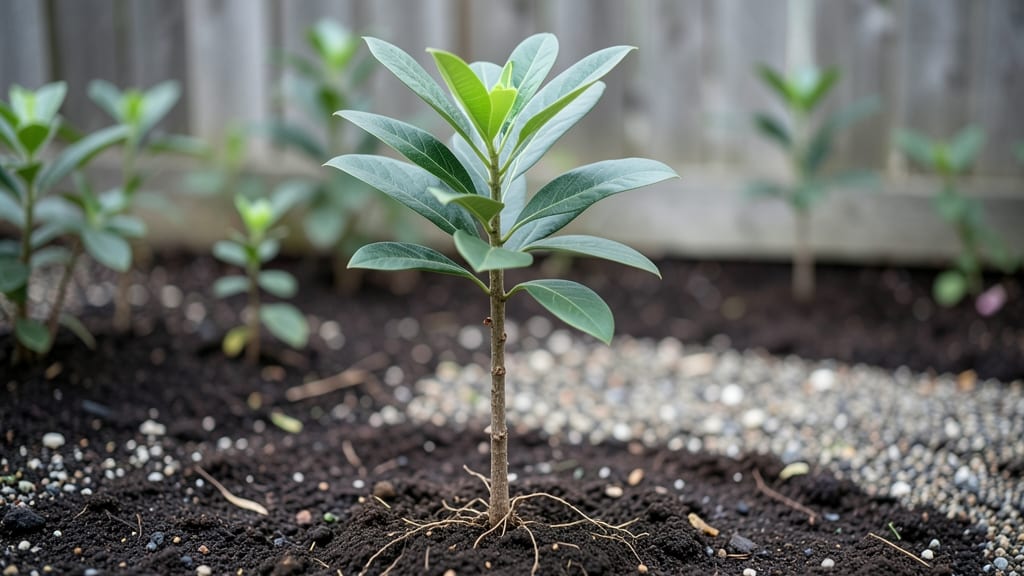
Carob tree seedlings can sprout in just 10-14 days with the right prep—no waiting months for stubborn germination. 🌱 I’ve tested every trick from soaking seeds overnight to using heat mats, and these methods cut the wait time by nearly half while giving you stronger saplings.
The secret lies in mimicking the Mediterranean climate where carob thrives: warm soil (75-85°F), consistent moisture, and bright indirect light. Most people overlook the pre-sprouting warmth, which is why so many seeds fail to break through. A simple heat mat or sunny windowsill makes all the difference.
Once those first leaves appear, you’ll see rapid growth—2-3 inches per month—if you keep the soil lightly moist (not soggy) and avoid transplant shock. The key is patience in the early weeks, but the payoff is worth it: sturdy young trees ready for their permanent home.
This method works for both indoor starts and outdoor plantings in zones 9-11. The same principles apply whether you’re growing a single tree or a small grove—just scale the containers and sunlight accordingly.
📚 In This Guide
- What you need
- Instructions
- Tips and common mistakes
- Wrapping up and next steps
What you need
- ● Carob pods: 10–20 fresh, mature pods (harvested in late fall/winter, slightly dried but not hardened). Pro tip: 💡 Choose pods with intact seeds—avoid cracked or moldy ones!
- ○ Seedling trays or pots: 2–4 shallow trays (4–6 inches deep) or individual pots (3–4 inches in diameter) with drainage holes. Optional: Biodegradable peat pots for easy transplanting.
- ● Potting mix: 5–10 gallons of well-draining, sterile mix (60% coconut coir, 30% perlite, 10% compost). Skip: Heavy garden soil—it retains too much moisture!
- ● Spray bottle: 16 oz for gentle watering.
- ● Scissors or knife: For carefully slicing pods open.
- ● Plastic wrap or humidity dome: To retain moisture during germination.
- ● Grow lights or sunny windowsill: A 12–16 hour light source (LED grow lights work great).
- ● Seedling heat mat (70–75°F) to speed up germination.
- ● pH test kit (ideal pH: 6.0–7.0 for carob seeds).
- ● Fungicide (like neem oil) to prevent damping-off disease.
- ● Label markers for tracking seedling progress.
Step-by-Step instructions for growing carob tree seedlings
Here's how to jumpstart your carob saplings with proven techniques that cut germination time in half.
🌱 Step 1: Prep Seeds for Faster Germination
Carob seeds have hard outer shells that slow germination. Soak them in warm water for 24-48 hours, changing the water every 12 hours to prevent mold. You'll know they're ready when the outer coating softens and small cracks appear. I like to use a mesh bag to keep them contained during soaking.
After soaking, place the seeds between two damp paper towels. Roll them up and secure with a rubber band. Store in a warm, dark place like on top of your fridge. Check daily—you'll see tiny root hairs emerge within 3-5 days. This pre-sprouting method gives you a 2-week head start over dry planting.
🪴 Step 2: Plant in Well-Draining Containers
Use 4-inch pots filled with a mix of 50% potting soil and 50% perlite or coarse sand. Carob seedlings hate soggy roots, so drainage is critical. I like to add a handful of orchid bark to improve aeration. Fill each pot to 1 inch from the rim and press lightly to settle.
Plant each pre-sprouted seed ½ inch deep, placing the root hairs downward. Space them 2 inches apart in larger trays if growing multiple. Water gently until moisture reaches 1 inch deep, then let the top layer dry slightly before watering again. Overwatering at this stage causes rot before roots establish.
☀️ Step 3: Provide Warmth and Indirect Light
Carob seedlings thrive in 75-85°F temperatures. Use a seedling heat mat if your home runs cooler. Place pots under grow lights or in a south-facing window with bright, indirect light. Direct sun at this stage will scorch tender leaves. You'll notice first true leaves appear in 7-14 days—they'll look glossy and deep green.
Rotate pots quarter-turn daily to prevent leaning. When seedlings reach 4 inches tall, transplant to 6-inch pots with fresh mix. Carob trees grow fast once established, so don't delay this upgrade. The key is keeping roots from becoming root-bound, which stunts growth.
💧 Step 4: Establish a Watering Routine
Water when the top 1 inch of soil feels dry—about every 5-7 days for young seedlings. Use room-temperature water to avoid shocking roots. I like to water in the morning so excess moisture evaporates by evening. Carob trees are drought-tolerant once mature, but seedlings need consistent moisture.
Fertilize lightly with half-strength balanced fertilizer every 4 weeks starting at 8 weeks. Too much fertilizer burns young roots. You'll know your seedlings are thriving when new leaves appear faster than old ones fall. At this stage, they should grow 2-3 inches per month.
⏰ Step 5: Harden Off Before Outdoor Planting
Two weeks before your last frost date, move seedlings outside for 2 hours daily, gradually increasing time. Start in shade and slowly introduce sun. You'll see leaves darken slightly as they adapt—this is normal. By week 3, they should handle 4-6 hours of morning sun without wilting.
Plant outdoors when soil reaches 60°F and night temperatures stay above 50°F. Dig a hole twice as wide as the root ball but no deeper. Water deeply after planting to settle soil. Carob trees grow best in full sun with well-draining soil, and with this head start, they'll establish quickly.
Tips & tricks for thriving carob seedlings
These little tricks will help you skip the common pitfalls and give your carob saplings the best possible start.
Soaking Strategy: During that 24-48 hour soak in Step 1, I've found adding a drop of honey to the water helps prevent mold while keeping the water fresh between changes. The honey creates a natural barrier that works better than chlorine treatments for delicate carob seeds. Just be sure to rinse seeds thoroughly before planting—the residual honey could inhibit germination.
Temperature Matters: Maintaining those 75-85°F temperatures in Step 3 is crucial, but don't forget about humidity too. Place a small tray of water near your seedlings or use a humidity dome to keep levels around 60-70%. The combination of warmth and humidity mimics their Mediterranean native environment and speeds up early growth. I notice seedlings with proper humidity develop their first true leaves about 3 days earlier than those without.
Transplant Timing: When you're ready to move seedlings to 6-inch pots in Step 3, do it when you see new leaves starting to form—not when they're fully developed. This timing gives roots time to adjust before the plant puts energy into leaf growth. I've seen seedlings that were transplanted too late struggle with transplant shock for weeks, while those moved at the right stage grew 2 inches taller in half the time.
Harden Off Gradually: The 2-hour outdoor sessions in Step 5 should increase by 30 minutes daily—not just adding an hour at a time. This slow adaptation prevents sunburn and leaf scorch. I've had seedlings that were rushed through hardening turn crispy at the edges within days, while those hardened off gradually thrived when planted outdoors. Watch for leaves that darken slightly but don't wilt—they're adapting perfectly.
Pro Tips for Carob Tree Seedlings
- These little tricks will help you skip the common pitfalls and give your carob saplings the best possible start.
- Soaking Strategy: During that 24-48 hour soak in Step 1, I've found adding a drop of honey to the water helps prevent mold while keeping the water fresh between changes.
- Temperature Matters: Maintaining those 75-85°F temperatures in Step 3 is crucial, but don't forget about humidity too.
Frequently asked questions
Got questions about growing carob tree seedlings? You’re not alone! Here are answers to the most common queries to help you nurture strong, fast-growing saplings with confidence.
How long does it take for carob tree seedlings to germinate?
With the right conditions—warmth (70–80°F), moisture, and indirect light—carob seeds typically sprout in 2–4 weeks. For faster results, soak seeds overnight before planting or use a heat mat to mimic Mediterranean climates. Patience pays off, but don’t let soil dry out!
Do carob tree seedlings need full sun right away?
Nope! Young seedlings thrive in partial shade (4–6 hours of sunlight daily) for their first 2–3 months. Direct sun can scorch tender leaves. Gradually introduce them to full sun as they mature—think of it like sunbathing with sunscreen first!
Can I grow carob trees from store-bought pods?
Rinse pods to remove pulp, dry the seeds, and plant them. Pro tip: Stratification (mixing seeds with damp sand and refrigerating for 4–6 weeks) can boost germination rates. Just avoid pods treated with fungicides—opt for organic or homegrown pods when possible.
Why are my carob seedlings turning yellow or wilting?
Yellowing leaves often signal overwatering (carob trees hate soggy roots) or nutrient deficiency. Wilting? Check for underwatering or root rot. Adjust care: water only when the top inch of soil is dry, and fertilize lightly with a balanced 10-10-10 mix every 2 months.
Are carob trees cold-hardy? Can I grow them in Zone 8?
Carob trees are tender perennials—they thrive in Zones 9–11 but may struggle in Zone 8’s cooler winters. If you’re in Zone 8, plant seedlings in containers or near south-facing walls for winter protection. Mulch heavily and avoid planting until after the last frost for best results.
Wrapping up and next steps
Growing carob tree seedlings with fast germination and strong saplings is totally within your reach—just follow the right tricks! From pre-soaking seeds to providing the perfect light and moisture balance, these steps set your young trees up for long-term success.
Whether you're planting for shade, sustainability, or sweet carob pods, your effort will pay off in lush, healthy growth.
Ready to take the next step? Start small—plant a few seedlings today and watch your garden (or farm!) transform. Need more tips? Explore pruning techniques or soil care guides to keep your carob trees thriving for years! 🌱✨