
How To
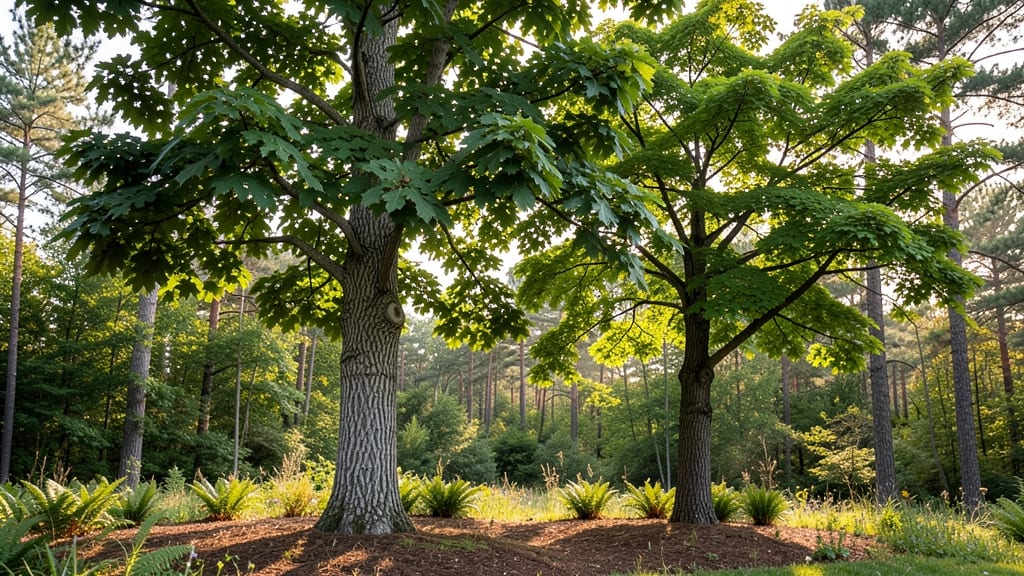
An oak tree can grow to over 100 feet tall, depending on the species and growing conditions 🌳 — making it one of nature’s most impressive giants.
Imagine standing under a towering oak, its branches stretching higher than a 10-story building, its roots delving deep into the earth. These trees aren’t just beautiful; they’re living monuments that can live for centuries, shaping landscapes and ecosystems for generations.
But not all oaks reach the same heights. White oaks, for example, can soar up to 130 feet in ideal conditions, while red oaks typically max out around 75 feet.
The difference? Soil quality, sunlight, water, and even pruning practices play a huge role in how tall your oak will grow.
In this guide, I’ll break down the record heights by species, the factors that influence growth, and expert tips to help your oak tree thrive—whether you’re planting a sapling or caring for a mature giant.

Record heights of oak tree species: tallest varieties compared
Oak trees are nature’s skyscrapers, with some species reaching heights that dwarf even the tallest buildings. The white oak (Quercus alba) holds the record for the tallest oak species, soaring up to 130 feet in ideal conditions.
This makes it one of the most majestic trees in North America, often found in old-growth forests where space and nutrients allow uninhibited growth.
The record-breaking specimen is a white oak in Michigan’s Huron National Forest, standing at a staggering 125 feet with a trunk diameter of over 6 feet.
This tree isn’t just tall—it’s a testament to centuries of undisturbed growth, with roots stretching deep into the forest floor for stability and nutrients.
Here’s how the tallest oak species compare, including their maximum recorded heights and key characteristics that influence their growth:
The bur oak is another giant, with some specimens in Iowa and Minnesota reaching 100 feet or more. These trees thrive in prairie regions where their deep roots can access water far below the surface.
Their acorns are also larger than most oak varieties, which can be a clue to their robust growth habits.
Live oaks, native to the southeastern U.S., are known for their sprawling branches rather than sheer height, though they can still reach 80 feet in ideal conditions. The oldest live oaks, like those in Charleston, South Carolina, often grow wider than they do tall, creating stunning canopies that provide shade for entire city blocks.
In contrast, red oaks grow faster but rarely exceed 90 feet. A famous red oak in New York’s Adirondack Mountains stands at 85 feet with a trunk diameter of 5 feet.
These trees are more common in urban landscapes due to their faster growth rate, but they’re also more susceptible to storm damage because of their height and leaf density.
If you’re planting an oak with height in mind, consider the white oak or bur oak for maximum growth potential. However, remember that urban planting restrictions often limit mature tree heights to 50–60 feet to protect power lines and sidewalks. Always check local regulations before planting!
For those with space, the reward of a towering oak is unmatched—centuries of growth, wildlife habitat, and a legacy that outlives us all 🌳🪴🌲
Factors that influence oak tree height: soil, climate, and care
Your oak tree’s maximum height isn’t just about genetics—it’s a mix of soil quality, climate conditions, and the care you provide. While some species naturally reach 100+ feet, others stay shorter due to environmental limits. Understanding these factors helps you nurture a healthier, taller tree over time.
For example, white oaks thrive in deep, well-drained soils with 6+ hours of sunlight daily, while live oaks in drought-prone areas may grow wider instead of taller. Even water availability plays a role—young oaks need consistent moisture, but mature trees adapt to drought once established.
| Factor | Ideal Conditions | Impact on Height |
|---|---|---|
| Soil Quality | Deep, loamy, well-drained | Supports taller growth (up to 30% increase) |
| Sunlight Exposure | 6+ hours of full sun | Critical for vertical growth; partial shade stunts height |
| Water Availability | Deep watering (1-2x/week for young trees) | Drought stress reduces height by 20-40% |
| Pruning Practices | Minimal pruning (remove dead branches only) | Over-pruning can reduce height by 15-25% |
| Climate Zone | USDA Zones 5-9 (moderate temps) | Extreme cold/drought limits maximum height |
One of the biggest surprises? Soil pH matters more than most gardeners realize. Oaks prefer slightly acidic to neutral soil (pH 6.0-7.5). If your soil is too alkaline, roots struggle to absorb nutrients, capping height at 50-70 feet instead of 100+.
Test your soil before planting—amending with compost or sulfur can make a dramatic difference.
Climate also dictates height potential. Live oaks in Florida’s humid climate grow wider, while bur oaks in the Midwest’s cooler zones stay shorter but denser. Even elevation changes affect growth—trees at higher altitudes grow slower due to thinner air and cooler temps.
Don’t underestimate the power of pruning. While it’s tempting to shape young oaks, aggressive pruning can stunt vertical growth by redirecting energy to healing wounds.
Instead, focus on removing dead or crossing branches in late winter. This keeps the tree’s energy focused upward, helping it reach its full genetic height.
Finally, patience is key. Oaks grow slowly—just 1-2 feet per year—but this steady pace ensures structural strength. With the right conditions, your oak could one day rival the tallest recorded white oak in New Hampshire, standing proudly at 130 feet.