
Trees
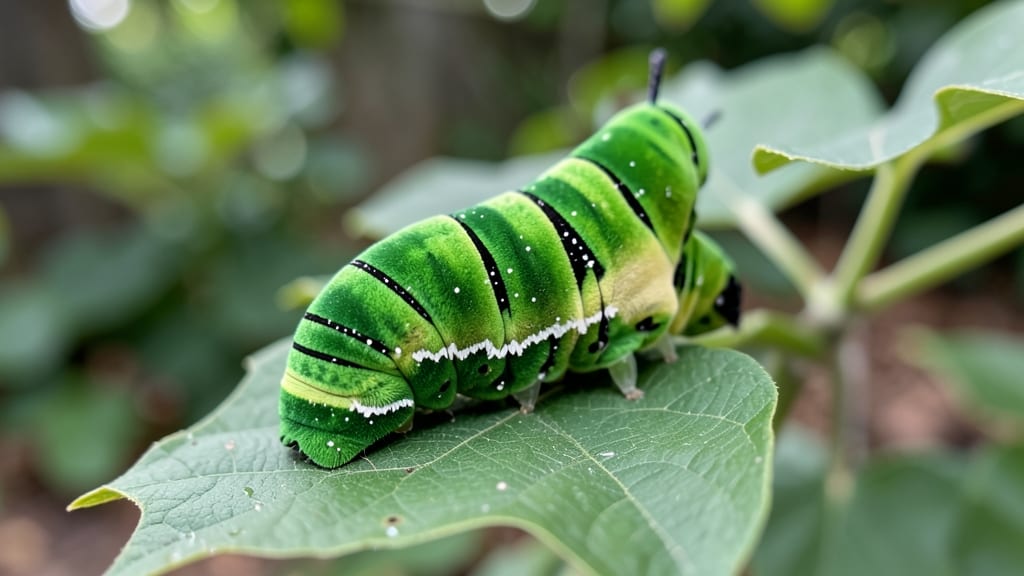
Those fuzzy green caterpillars stripping your catalpa leaves? 🌿 I’ve battled catalpa sphinx moth larvae for years, and I’ll show you how to protect your tree without harsh chemicals. These caterpillars turn vibrant foliage into skeletonized messes, but organic solutions work—if you act at the right time.
The damage starts in late spring when caterpillars hatch and gorge on leaves, leaving behind chewed skeletons. Birds and wasps usually keep them in check, but heavy infestations can defoliate your tree in weeks.
The key is early intervention: handpicking, neem oil, or introducing beneficial insects can turn the tide before the worst hits.
You’ll learn to spot eggs early, use pruning to remove hiding spots, and apply organic sprays that work without harming pollinators. By midsummer, your catalpa will bounce back with lush, untouched leaves—no more helplessly watching your tree get stripped bare.
Works for any catalpa tree, whether in your yard or a neighborhood shade giant. Let’s save your tree the natural way—no chemicals needed.
Natural triggers behind caterpillar outbreaks
Catalpa tree caterpillars—often called "cigarette beetle caterpillars" or "hairy caterpillars"—don’t just appear out of nowhere. Their sudden presence is usually tied to a mix of ecological factors that create the perfect conditions for infestation.
Understanding these triggers helps you predict, prevent, and manage outbreaks before they strip your catalpa trees bare. Here’s why these fuzzy little pests show up when they do:
The primary reason catalpa caterpillars thrive is the sheer availability of their favorite food: catalpa trees (Catalpa spp.). These caterpillars are highly specialized and will only feed on catalpa leaves, buds, and young shoots.
If your yard, neighborhood, or nearby parks have multiple catalpa trees—or even just one large, healthy specimen—the caterpillars have a buffet waiting for them.
Why does this happen? Catalpa trees are native to North America and are widely planted for their fast growth, shade, and beautiful flowers. Unfortunately, their popularity means more food sources for caterpillars.
A single female moth can lay 200–400 eggs in a season, and if there’s no competition for resources (like other tree species), the caterpillar population can explode.
Actionable insight: If you’re in an area with many catalpa trees, monitor them closely in late spring and early summer—peak egg-laying and hatching season.
Caterpillars are cold-blooded, meaning their growth and activity levels are directly tied to temperature and moisture. Catalpa caterpillars thrive in warm, humid conditions, which accelerate their life cycle. Here’s how climate plays a role:
- Faster development: Eggs hatch quicker in temperatures above 60°F (15°C), and caterpillars grow from larvae to pupae in just 6–8 weeks under ideal conditions.
- Longer feeding season: In southern states or microclimates (like urban heat islands), caterpillars may have two generations per year instead of one, leading to larger outbreaks.
- Moisture retention: Humid air keeps catalpa leaves tender and nutrient-rich, making them more appealing to hungry caterpillars.
Actionable insight: If you live in a hot, humid region, expect peak caterpillar activity between May and August. Use this forecast to time your organic pest control efforts.
In a balanced ecosystem, catalpa caterpillars face a gauntlet of predators—birds, parasitic wasps, and even spiders—that keep their numbers in check. But when these natural controls are disrupted, caterpillars multiply unchecked. Here’s what throws the ecosystem off:
1. Urbanization and habitat loss: Pesticide use in lawns and gardens can kill beneficial insects like tachinid flies and braconid wasps, which parasitize caterpillar eggs and larvae.
2. Bird population declines: Many birds (e.g., American robins, blue jays, and woodpeckers) feast on catalpa caterpillars. If bird habitats are destroyed or pesticides reduce their food sources, caterpillar populations surge.
3. Monoculture landscaping: Planting only catalpa trees (or other single species) removes diversity, leaving no alternative food sources for predators. A diverse yard with native plants attracts a wider range of insect-eating wildlife.
Actionable insight: Encourage predator-friendly habitats by planting native flowering plants (like milkweed or coneflowers) and avoiding broad-spectrum pesticides. Even a small bird feeder can help!
A healthy catalpa tree can tolerate some caterpillar damage, but stressed trees are sitting ducks. When trees are weakened by drought, poor soil, or disease, they produce more tender, nutrient-rich leaves—a caterpillar’s dream. Common stressors include:
- Drought or poor watering: Underwatered trees produce smaller, more vulnerable leaves.
- Compacted or nutrient-poor soil: Trees struggle to absorb water and minerals, making them less resilient.
- Fungal or bacterial infections: Diseases like anthracnose or verticillium wilt weaken leaves, making them easier targets.
- Physical damage: Construction, lawnmower trauma, or animal browsing can stress trees.
Actionable insight: Keep catalpa trees well-watered (1–2 inches per week), mulched, and fertilized with balanced organic fertilizer (like 10-10-10) in early spring. Prune to improve airflow and reduce disease risk.
By recognizing these triggers, you can proactively disrupt the caterpillar life cycle before they become a full-blown problem. The key? Combine organic control methods with smart tree care to tip the balance back in your favor.
Quick Fixes for Tree Defoliation
When those fuzzy green caterpillars start stripping your catalpa tree bare, swift action is key! Here’s how to tackle the problem based on the root cause—whether it’s an infestation, lack of prevention, or environmental stress.
🍳 Handpick & Destroy Them The simplest (and most satisfying) solution? Grab a pair of gloves and a bucket of soapy water. Early morning or evening is best—caterpillars are sluggish then. Strip them off branches and drop them into the soapy mix to drown. Pro tip: 💡 Check the undersides of leaves and new growth where they hide!
👨🍳 Use Organic Sprays (Safe & Effective) Skip the harsh chemicals! Try these DIY sprays:
- Neem Oil Spray (🌿): Mix 1 tbsp neem oil + 1 tsp mild soap + 1 quart water. Spray directly on caterpillars and leaves. Reapply every 5–7 days.
- Bacillus thuringiensis (Bt) (🦠): A natural bacteria that targets caterpillars’ digestive systems. Sprinkle or spray when caterpillars are small (before they skeletonize leaves).
- Spinosad Spray (🍄): Derived from soil bacteria, it’s effective but use it in the evening to avoid harming bees.
⏰ Timing Matters! Apply sprays before sunset to protect pollinators. Avoid windy days so the solution sticks.
🌱 Boost Tree Health First A healthy tree fights pests better! Try:
- Water Deeply (💧): Drought-stressed trees attract more pests. Water at the base, not the leaves, to avoid fungal issues.
- Mulch Properly (🌿): Spread 2–3 inches of organic mulch (like wood chips) around the base to retain moisture and improve soil health.
- Fertilize Wisely (🌱): Use a slow-release, organic fertilizer in early spring to give your catalpa a nutrient boost.
🛡️ Encourage Natural Predators Ladybugs, birds, and parasitic wasps love munching on catalpa caterpillars. Attract them with:
- Native Plants (🌸): Plant flowers like dill, fennel, or milkweed nearby to draw beneficial insects.
- Bird Feeders (🐦): Install a feeder to invite insect-eating birds like chickadees or wrens.
If caterpillars have already defoliated most leaves, act fast:
- Prune Damaged Branches (✂️): Remove heavily infested branches and dispose of them in sealed bags (not compost).
- Repeat Treatments (🔄): Organic sprays may need 2–3 applications, spaced 1 week apart, for full control.
- Consider Netting (🛡️): For young trees, wrap them in fine mesh netting to block caterpillars before they arrive.
Once you’ve dealt with the current infestation, stop them from returning with these long-term strategies:
- Monitor Early (👀): Check your tree in late spring/early summer when caterpillars first appear.
- Disrupt Egg-Laying (🥚): Prune and destroy egg masses (tiny green clusters on branches) before they hatch.
- Plant Companion Trees (🌳): Catalpas near sassafras or black cherry can confuse caterpillars and reduce infestations.
- Avoid Over-Fertilizing (🚫): Too much nitrogen makes trees soft targets—stick to balanced organic fertilizers.
Remember: Patience is key! Organic methods take time but keep your tree—and the ecosystem—safe. With these steps, your catalpa will bounce back stronger and caterpillar-free! 🌿✨
Frequently asked questions
Are catalpa tree caterpillars dangerous to humans or pets?
No, these caterpillars aren't harmful to humans or pets. While their fuzzy hairs can cause mild skin irritation in sensitive individuals, they don't carry venom like some other caterpillars. The real danger comes from their defoliation—stripped trees become vulnerable to disease and stress.
How do I tell if my catalpa tree has caterpillars vs. another pest?
Look for these key signs: Skeletonized leaves (leaves with just veins remaining), fuzzy green caterpillars 2-3 inches long, and black droppings on branches. Unlike beetles or borers, catalpa caterpillars feed on leaves, not bark or wood.
Will my tree die if caterpillars eat all the leaves?
Most likely not, but it will be stressed! While catalpa trees can handle defoliation, repeated heavy feeding weakens them. Young trees or those already struggling may suffer long-term damage. The good news: trees regrow leaves quickly once caterpillars are gone.
What's the best time of day to handpick caterpillars?
Early morning or late evening when they're sluggish. Avoid midday heat when they're most active. Wear gloves to protect your hands from any mild irritation, and drop them in soapy water immediately to prevent escape.
Can I use coffee grounds to deter catalpa caterpillars?
Not effectively—coffee grounds won't repel them. Better options include neem oil or encouraging natural predators like birds. The caterpillars are attracted to catalpa leaves specifically, so they won't respond to general garden remedies.