
Pests
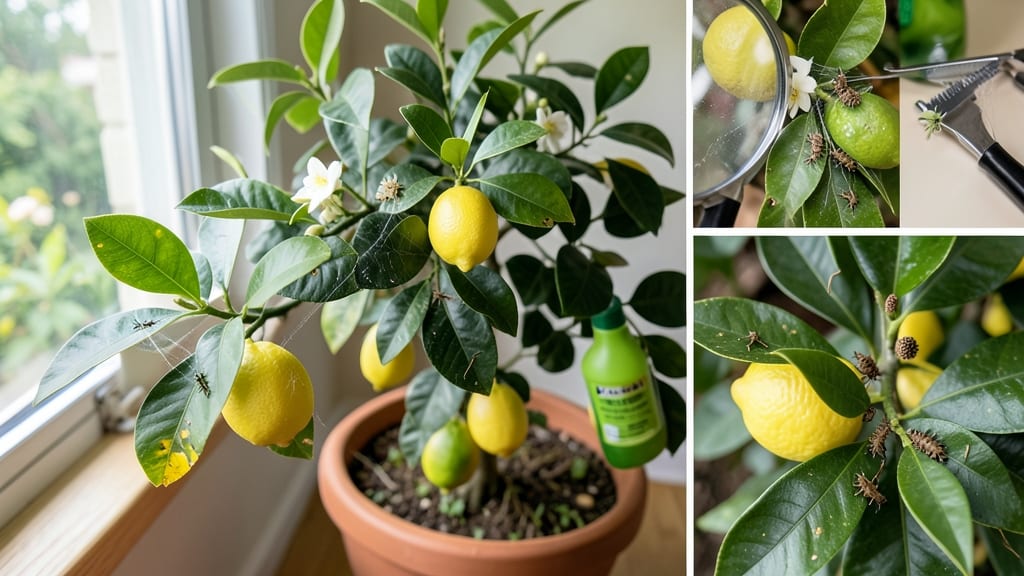
Your citrus tree’s yellowing leaves and sticky residue aren’t just cosmetic—they’re a cry for help from indoor citrus tree pests like spider mites and scale. 🌿 I’ve battled these tiny invaders on my Meyer lemon, and the key is acting fast with plant-safe solutions before they spread.
The worst offenders—mealybugs, aphids, and scale—love dry air and crowded branches. They suck sap, leaving behind a sticky mess that attracts mold and weakens your tree. But here’s the good news: neem oil and insecticidal soap work like magic when applied correctly, without harming your plant.
You’ll see improvement within 2-3 weeks of consistent treatment, with leaves regaining their glossy green and new growth staying pest-free. The secret is combining sprays with preventive care—humidity trays and regular pruning keep pests at bay naturally. This works for all citrus varieties, from dwarf poncirus to full-sized lemons.
Let’s get your tree thriving again!
Root Causes Of Citrus Tree Infestations
Indoor citrus trees may seem like low-maintenance tropical darlings, but they’re actually magnets for pests—especially when certain conditions align. Understanding why these critters invade your leafy green friend is half the battle. Let’s break down the science behind the chaos.
Citrus trees thrive in specific conditions, and when those needs go unmet, pests move in like uninvited houseguests. Here’s how:
- High Humidity: While citrus trees love moisture, too much humidity (above 60%) creates a breeding ground for scale insects and whiteflies. These pests adore damp foliage, which slows their natural predators (like ladybugs) and speeds up their reproduction. 💡 Pro Tip: Aim for 40-50% humidity—use a hygrometer to monitor levels.
- Stagnant Air: Poor airflow traps pests and prevents beneficial insects (e.g., parasitic wasps) from patrolling your tree. Citrus trees in cramped corners or near walls suffer most. ✨ Fix: Place your tree near a fan or open window (but avoid drafts).
- Overwatering: Soggy soil isn’t just bad for roots—it attracts fungus gnats and root maggots. These pests lay eggs in moist soil, and their larvae feast on your tree’s roots. 🔥 Warning: Let the top inch of soil dry out between waterings.
Think of your citrus tree like a spa day: too much heat, moisture, or stuffiness, and the pests will show up uninvited.
Pests target weak trees—just like bullies pick on the kid with the empty lunchbox. When your citrus tree is malnourished or overfed, it becomes a buffet for hungry invaders.
| Nutrient Issue | Pests That Exploit It | Why It Happens |
|---|---|---|
| Nitrogen Deficiency | Spider Mites, Mealybugs | Weak growth = less sap = pests drill into stems for easy meals. Yellowing leaves signal stress, which attracts these sap-suckers. |
| Excess Fertilizer (Burnt Roots) | Root-Knot Nematodes, Fungus Gnats | Over-fertilizing weakens roots, making them vulnerable to microscopic nematodes. Fungus gnats thrive in the decaying organic matter from dead roots. |
| Potassium Deficiency | Citrus Leafminers | Potassium strengthens cell walls. Without it, leaves become soft targets for leafminers, which burrow into foliage like tiny caterpillar drills. |
💪 Actionable Fix: Test your soil (DIY kits work!) and feed your tree a balanced citrus-specific fertilizer every 6-8 weeks. Avoid synthetic fertilizers—they can disrupt the soil microbiome, making pests bolder.
In nature, citrus trees have a built-in pest control system: birds, lacewings, and parasitic wasps. Indoors? Not so much. Here’s why pests take over:
- Sealed Environments: Windows and doors block beneficial insects. Without them, aphids and whiteflies multiply unchecked.
- Chemical Overuse: Harsh pesticides kill both pests and their natural enemies. For example, neem oil can harm ladybugs if overapplied.
- Monoculture Setups: Growing only citrus trees (no herbs or companion plants) removes diversity. Pests like citrus psyllids spread faster with no competition.
🌿 Organic Hack: Introduce pest-friendly plants like marigolds or basil near your citrus tree. They repel pests and attract predatory insects. Even a windowsill herb garden helps!
Sometimes, the problem isn’t your tree’s fault—it’s yours. Here’s how pests hitch a ride indoors:
- New Plants: Bringing home a single infested leaf or soil clump can introduce scale or spider mites. These pests are stealthy and can hide in potting mix for weeks.
- Outdoor Contaminants: Potting soil, tools, or even your shoes can carry eggs or larvae from garden pests like citrus rust mites.
- Visitors’ Plants: Houseguests’ citrus cuttings or gifts from nurseries often arrive with hidden stowaways. 🎯 Prevention: Quarantine new plants for 2 weeks before introducing them to your collection.
🔍 Inspection Checklist:
- Rinse new soil in water to remove pests before repotting.
- Wipe down pots and tools with 70% isopropyl alcohol.
- Check leaves under a magnifying glass for tiny eggs or webbing.
Pests don’t just appear out of nowhere—they’re drawn by specific weaknesses in your citrus tree’s care routine. By addressing these root causes, you’re not just treating symptoms; you’re cutting off the pest party at the pass.
Practical fixes for citrus tree troubles
When pests invade your indoor citrus tree, quick action keeps your plant thriving—and your patience intact. Below, we’ve mapped out targeted fixes for common culprits, from sneaky aphids to stubborn scale insects.
Each solution is designed to be effective, organic, and easy to implement, so you can restore your tree’s health without harsh chemicals.
Cause: These sap-suckers cluster on new growth, leaving sticky residue (aphids) or fine webbing (mites). Weakened plants attract them faster. Fix It:1. Blast Them Off 💦
- Fill a spray bottle with water + a drop of dish soap (or neem oil).
- Direct the stream at infested areas, focusing on undersides of leaves.
- Pro tip: Repeat every 3–4 days until gone. Soap breaks their protective coating!
2. Introduce Beneficial Bugs 🐞
- Ladybugs and lacewings devour aphids and mites. Buy them online or attract wild ones with dill or fennel plants nearby.
- Release them in the evening when they’re most active.
3. Quarantine & Wipe Down 🧼
- Isolate the tree for 48 hours to prevent spread.
- Wipe leaves with a damp microfiber cloth + rubbing alcohol (50% water) to remove eggs.
1. Scrape Them Off 🧹
- Use a soft toothbrush or cotton swab dipped in rubbing alcohol to scrub off visible scale.
- For stubborn clusters, soak a cloth in hot water (120°F) + a few drops of castile soap and wipe gently.
2. Drown Their Eggs 💧
- Scale lay eggs year-round. Spray infested areas with horticultural oil (like neem or refined mineral oil) every 7–10 days.
- Pro tip: Test oil on a small leaf first—some citrus varieties are sensitive.
3. Prune & Dispose 🌱
- Cut off heavily infested branches (sterilize shears with rubbing alcohol between cuts).
- Bag and trash pruned parts immediately—don’t compost!
1. Smother Them 🧴
- Apply isopropyl alcohol (70%) on a cotton ball and dab directly onto mealybugs. They’ll dissolve in seconds!
- Warning: Avoid over-spraying—alcohol can burn leaves.
2. Use a Sticky Trap 🕸️
- Place double-sided tape or a yellow sticky card near the tree to catch crawling nymphs.
- Check traps daily and replace when saturated.
3. Boost Plant Immunity 🌿
- Fertilize with fish emulsion or compost tea to strengthen the tree’s defenses.
- Increase air circulation with a small fan (mealybugs hate airflow!).
1. Yellow Sticky Trap Blitz ⚡
- Hang 3–4 yellow sticky traps around the tree. Replace every 3–4 days.
- Pro tip: Place traps above the plant—whiteflies fly upward.
2. Soap Spray Ambush 🎯
- Mix 1 tsp castile soap + 1 quart water in a spray bottle.
- Spray undersides of leaves until dripping, focusing on new growth.
- Repeat every 5 days for 3 weeks.
3. Parasitic Wasps (Nature’s Cleanup Crew) 🐝
- Release Encarsia formosa (a beneficial wasp) to hunt whiteflies. They’re safe for humans and pets!
- Order online or find them at garden centers.
Once pests are gone, help your citrus tree bounce back:
- Leaf Shine Routine: Wipe leaves with a damp cloth + neem oil (1 tsp/quart water) weekly to repel future pests.
- Bright Light Boost: Move the tree to a south-facing window (or use grow lights) to speed up recovery.
- Root Check: If pests were severe, repot in fresh, well-draining soil to prevent underground reinfestation.
Remember: Consistency is key! Most organic fixes take 2–4 weeks to fully eradicate pests. Stay vigilant, and your citrus tree will reward you with lush, pest-free foliage.
Frequently asked questions
What are the first signs my indoor citrus tree has pests?
Look for tiny white webs on leaves (spider mites), sticky residue on branches (aphids or mealybugs), or small holes in foliage (leafminers). Yellowing leaves or black sooty mold also signal sap-sucking pests. Check leaf undersides and stems first—they’re favorite hiding spots.
Can I use regular dish soap to treat citrus pests?
Yes, but use it carefully! Mix 1 teaspoon mild dish soap with 1 quart water and spray directly on pests (aphids, mealybugs, or mites). Test on a small leaf first—some citrus varieties are sensitive to soap. Repeat every 3-4 days until pests disappear.
How do I know if my citrus tree is stressed enough to attract pests?
Stressed trees show yellow leaves, dropped fruit, or stunted growth. Pests target weak trees because they’re easier to feed on. Check your care routine: overwatering, underwatering, or inconsistent light all weaken your tree and make it vulnerable to infestations.
Are there any pests that hide underground in citrus tree pots?
Yes! Fungus gnats and root-knot nematodes thrive in damp soil. You’ll spot fungus gnats as tiny black flies hovering near the pot, while nematodes cause stunted growth and yellowing leaves. Let the top inch of soil dry between waterings and use hydrogen peroxide (1 part to 4 parts water) to treat soil.
How often should I inspect my citrus tree for pests?
Check your tree weekly during growing seasons (spring-fall) and biweekly in winter. Focus on new growth, leaf undersides, and stems. Early detection is key—most pests spread quickly! Keep a small magnifying glass handy to spot tiny eggs or early infestations.