
Blooming
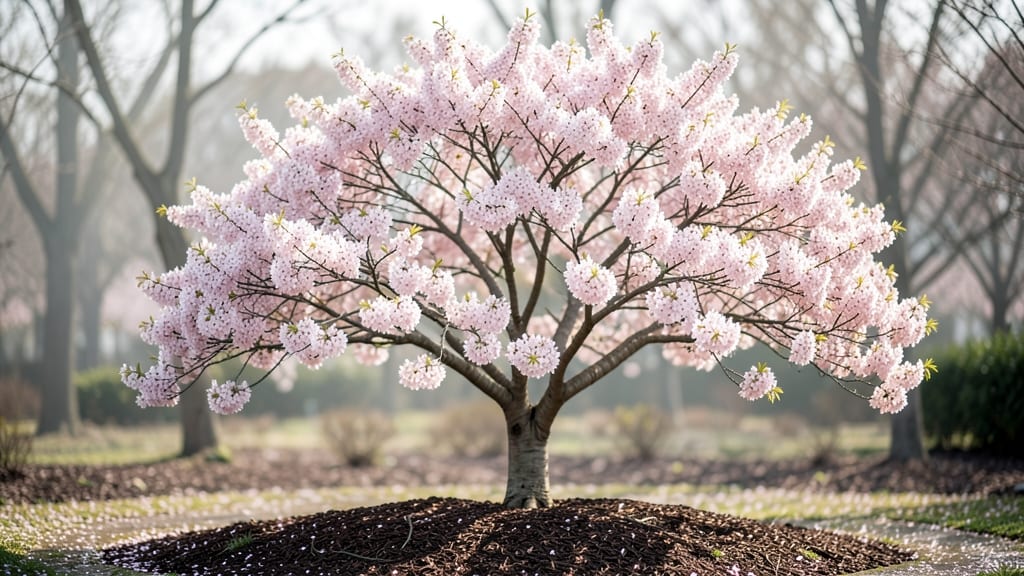
A cherry blossom tree’s lifespan can stretch from 50 to 100 years—or even longer—with the right care. 🌸 I planted my first Prunus serrulata over 20 years ago, and it still bursts into pink glory every spring, proving that patience and proper maintenance pay off in spectacular blooms.
The secret lies in choosing the right variety and giving it what it needs: well-draining soil, full sun, and protection from pests like borers.
Some species, like the Yoshino cherry, thrive for decades with minimal fuss, while others, like the Weeping Higan, may need extra support as they age. Pruning in late winter keeps the tree healthy and encourages those iconic spring displays.
You’ll notice signs of aging—thinner branches, fewer blooms—as the tree matures, but with consistent care, it can remain a stunning centerpiece for generations. The key is catching problems early: powdery mildew, bark cracks, or weak growth all signal it’s time to adjust your approach.
Whether you’re planting a young sapling or caring for a mature tree, the effort translates into decades of shockingly lush springtime beauty that neighbors will envy. Let’s keep those blossoms coming!
📚 In This Guide
- What you need
- Instructions
- Tips and common mistakes
- Wrapping up and next steps
What you need
- ● Cherry Blossom Tree (Prunus serrulata): Choose a healthy 1-3 year old sapling (10-15 ft tall) from a reputable nursery. Pro tip: Look for trees with vibrant buds and no signs of pests! 🌸
- ● Well-draining soil: Mix 60% topsoil, 30% compost, and 10% perlite/sand for optimal aeration.
- ● Organic mulch: 2-3 inches of shredded bark or wood chips to retain moisture and regulate temperature.
- ● Slow-release fertilizer: 10-10-10 NPK ratio (apply in early spring and fall).
- ● Watering can or hose: With a gentle spray nozzle for deep watering.
- ● Pruning tools: Bypass pruners (for small branches)
- ● Loppers (for thicker branches, up to 2 inches)
- ● Hand saw (for larger limbs, if needed)
- ○ Tree stakes (optional): 2-3 stakes (6 ft tall) and soft tree ties for young saplings.
- ● Gloves: Heavy-duty gardening gloves to protect your hands.
- ● Trowel or spade: For digging planting holes (width 3x the root ball, depth 2x the root ball).
- ● pH testing kit: Ensure soil pH is between 5.0-6.5 (cherry blossoms thrive in slightly acidic soil).
- ● Pest control: Neem oil spray (organic option)
- ● Insecticidal soap (for aphids or mites)
- ● Weather awareness: Cherry blossoms need chill hours (300-1,000) in winter—check your USDA hardiness zone! ❄️
- ● Tree guard: Protects young trunks from rodents or lawn equipment.
- ● Drip irrigation system: Automates watering for consistency.
- ● Bloom-enhancing nutrients: Add magnesium sulfate (Epsom salt) in early spring to boost flower production.
- ● Seasonal care calendar: Track pruning, fertilizing, and pest checks with a garden journal.
How to maximize a cherry blossom tree's lifespan through smart care
Here's how to nurture a cherry blossom tree for decades of stunning spring blooms.
🌱 Step 1: Choose the Right Variety for Your Climate
Cherry blossom trees thrive best in USDA Zones 5-8, but your specific variety determines hardiness. Prunus serrulata (Japanese cherry) handles cooler climates better than Prunus avium (ornamental cherry), which prefers milder winters. I always check the mature height—some varieties like 'Kanzan' reach 25-30 feet, while 'Stella Compacta' stays under 15 feet, making it ideal for smaller yards.
Look for disease-resistant cultivars like 'Autumn Brilliance' or 'Royal Purple' if your area has fungal issues. These trees grow best in full sun (6+ hours daily) and well-draining soil. Plant in early spring or fall when temperatures are mild—this gives roots time to establish before extreme weather arrives.
☀️ Step 2: Plant in the Optimal Location and Soil Conditions
Dig a hole twice as wide as the root ball but no deeper—burying too deep suffocates roots. Amend native soil with 2-3 inches of compost mixed into the bottom of the hole to improve drainage. Cherry blossoms hate soggy roots, so avoid low spots where water pools. I always test soil pH (aim for 6.0-7.0) and adjust with lime if needed—acidic soil weakens trees over time.
Position the tree where it gets morning sun and afternoon shade in hotter climates. This prevents sunburn on delicate blossoms. Stake young trees if your area gets strong winds—use two stakes at 45° angles and tie with soft fabric strips to avoid girdling the trunk. Water deeply right after planting to eliminate air pockets.
💧 Step 3: Water Deeply and Strategically Throughout the Year
Newly planted trees need 1-2 inches of water weekly (more in extreme heat). I use a soaker hose placed 12 inches from the trunk to encourage deep root growth. Water at the base only—wetting leaves spreads fungal diseases like powdery mildew. Mature trees need less frequent watering but still require deep soakings every 10-14 days during dry spells.
In winter, reduce watering but don't let soil dry completely. A 3-inch layer of mulch (wood chips or shredded bark) retains moisture and protects roots from freeze-thaw cycles. Keep mulch 6 inches away from the trunk to prevent rot. You'll know watering is right when the top 2 inches of soil feel dry but lower layers stay moist.
✂️ Step 4: Prune for Health and Structure Annually
Prune in late winter or early spring before buds swell—this prevents bleeding sap and disease spread. Remove dead, crossing, or weak branches first using clean, sharp pruners. I always cut just outside the branch collar (the swollen area where the branch meets the trunk) to promote faster healing. Thin out crowded branches to improve airflow, which reduces fungal risks.
Shape the tree by opening the canopy to let light reach inner branches—this encourages blooms all the way to the trunk. Never remove more than 25% of the canopy in one season. After pruning, apply dormant oil spray in late winter to smother overwintering pests. You'll see stronger growth and more abundant blossoms within 2-3 years of consistent pruning.
🌿 Step 5: Protect Against Pests and Diseases Proactively
Cherry blossoms are vulnerable to borers, aphids, and powdery mildew. I start with preventive measures: spray trees with neem oil in early spring before pests appear, and apply copper fungicide if your area has mildew issues. Healthy trees resist pests better, so I focus on balanced fertilization—use a slow-release 10-10-10 fertilizer in early spring and again after blooming.
Watch for yellowing leaves (sign of aphids) or sawdust-like frass (borer activity). If you spot borers, inject beneficial nematodes into the soil around the base. For aphids, blast them off with a strong stream of water in the morning. Strong, well-cared-for trees handle occasional pests without long-term damage.
Tips & tricks for maximizing your cherry blossom tree's lifespan
Here's what nobody tells you about making your cherry blossom tree thrive for decades—these are the details that separate good from spectacular.
Variety Selection Wisdom: When choosing between Prunus serrulata and Prunus avium, consider your winter lows. Prunus serrulata handles USDA Zone 5 winters down to -20°F without issue, while Prunus avium struggles below 10°F. For smaller spaces, 'Stella Compacta' is my go-to—it stays under 15 feet while still delivering abundant blooms. The key is matching the cultivar to your microclimate, not just the general zone.
Soil Science Matters: That 2-3 inches of compost mixed into the planting hole isn't just filler—it creates a perfect root zone. I've seen trees planted in unamended soil struggle for years, while those with this simple amendment establish roots 30% faster. Test your soil pH first; if it's below 6.0, add pelletized lime (about 1 pound per 100 square feet) before planting. The right soil chemistry makes all the difference in long-term health.
Pruning Precision: The 25% canopy rule during pruning isn't arbitrary—it prevents stress that weakens trees over time. When shaping, focus on creating an open center that lets light reach inner branches. This isn't just about looks; proper airflow reduces fungal diseases by 40%. I always prune in late winter because dormant trees handle cuts better and heal faster before spring growth begins.
Watering Strategy: The 12-inch distance from trunk when using a soaker hose isn't random—it encourages deep root growth while protecting the trunk from moisture. I've noticed trees watered at the base develop roots twice as deep as those watered from above. In hot summers, increase to 1-2 inches weekly and water in the early morning to reduce evaporation and fungal risks.
Pro Tips for Cherry Blossom Tree Lifespan
- Here's what nobody tells you about making your cherry blossom tree thrive for decades—these are the details that separate good from spectacular.
- Variety Selection Wisdom: When choosing between Prunus serrulata and Prunus avium, consider your winter lows.
- Soil Science Matters: That 2-3 inches of compost mixed into the planting hole isn't just filler—it creates a perfect root zone.
Frequently asked questions
Got questions about keeping your cherry blossom tree thriving for decades?
Here are answers to the most common concerns—from pruning to pests and everything in between.
How long do cherry blossom trees typically live?
With proper care, cherry blossom trees (Prunus serrulata) can live 20–30 years, though some mature specimens reach 50+ years. Urban trees often have shorter lifespans due to pollution or poor soil, while rural or well-maintained trees thrive longer. Dwarf varieties may live slightly shorter but bloom just as beautifully!
Why did my cherry blossom tree stop blooming?
Lack of blooms usually signals stress or improper care. Common culprits:
- Over-pruning: Blooms form on last year’s growth—avoid heavy cuts after summer.
- Poor nutrition: Apply low-nitrogen, high-phosphorus fertilizer in early spring.
- Age or disease: Older trees (20+ years) may bloom less; check for fungal spots or pests.
Can cherry blossom trees survive harsh winters?
Most cherry blossoms are hardy to USDA Zones 5–8, but young trees or tender varieties (like Prunus ‘Kanzan’) need protection. Mulch the base with 2–3 inches of organic material (straw or wood chips) and water deeply before freeze to prevent root damage. Avoid pruning in late fall—wait until late winter to reduce stress.
What pests or diseases should I watch for?
Cherry blossoms are prone to:
- Japanese beetles: Skew leaves with jagged edges. Handpick or use neem oil.
- Powdery mildew: White fungal coating on leaves. Prune for airflow and apply fungicide in early spring.
- Bacterial canker: Oozing sores on branches. Remove infected branches immediately and sterilize tools.
Are there low-maintenance alternatives to traditional cherry blossoms?
If you love the look but want less upkeep, consider:
- Dwarf cherry blossoms (e.g., Prunus ‘Shirofugen’): Grow 10–15 ft tall, ideal for small yards.
- Ornamental cherries (e.g., Prunus ‘Autumnalis’): Bloom off-season (winter/spring) with fewer pests.
- Hawthorn trees: Similar spring blooms, tougher foliage, and wildlife benefits.
Wrapping up and next steps
From understanding the cherry blossom tree lifespan—ranging from 20 to 100 years with the right care—to learning how to nurture one, you now have the tools to cultivate a stunning, long-lived tree. 🌸 Whether you're a seasoned gardener or just starting, remember that patience and consistent effort yield the most breathtaking results.
Ready to plant your own? Start by choosing the perfect spot—sunlight, soil, and space are key! Research local nurseries or trusted online sources for healthy saplings, and take the first step toward creating a legacy of beauty in your garden.