
Pruning
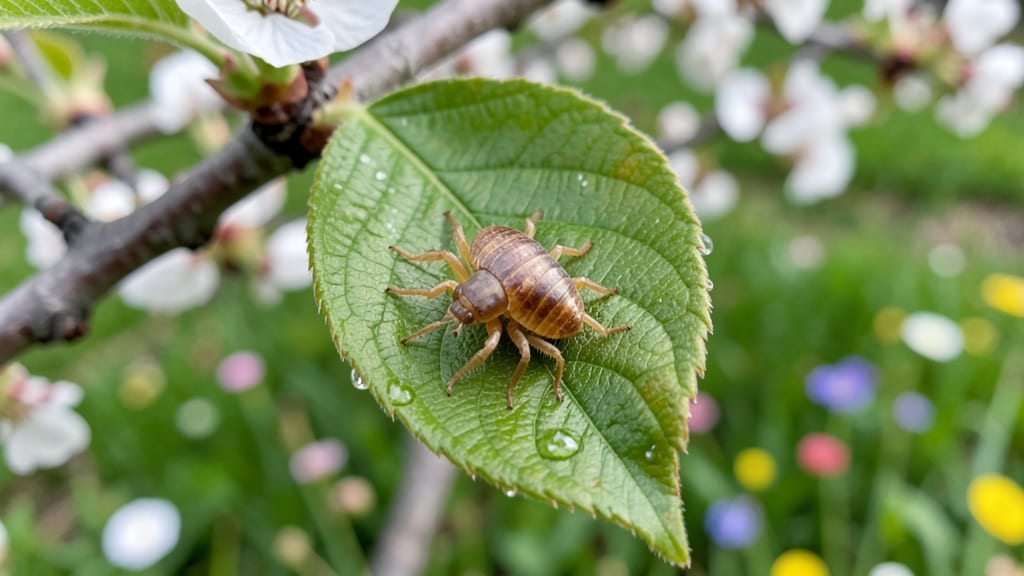
When cherry tree insect control strikes, these 5 fast-acting sprays save your harvest before the damage spreads. 🌿 I’ve battled aphid swarms and borer tunnels that turned my sweet cherries into a skeleton of what they should be—and these organic solutions actually work within days, not weeks.
The key is targeting the right pest with the right spray at the right time. Aphids? Insecticidal soap smothers them in minutes. Borers? Neem oil disrupts their life cycle before they tunnel deeper.
The secret isn’t just spraying—it’s timing (early morning applications stick better) and consistency (repeat every 5–7 days until pests vanish).
By the end of a week, you’ll see fewer sticky leaves, fewer chewed fruits, and a tree that’s fighting back. The best part? These sprays keep birds and bees safe while outperforming chemical sprays at stopping pests cold. No more watching your cherry harvest disappear.
Works for sour cherries, sweet cherries, and even tart varieties—just adjust the spray strength based on severity. Here’s how to pick the right one for your tree’s specific invaders.
Root Causes Of Cherry Tree Pests
Cherry trees are a garden’s sweet treasure—but they’re also a buffet for hungry insects. Understanding why these pests invade is the first step to stopping them. Below, we break down the science behind the most common culprits and their motivations.
When cherry trees struggle, pests take notice. Stress from poor soil nutrition, drought, or disease weakens a tree’s natural defenses, making it an easy target. Here’s how it happens:
- Nutrient Deficiency: Trees low in nitrogen, phosphorus, or potassium can’t produce enough phenolic compounds—chemicals that deter insects. 🌱💡 Pro Tip: Test your soil annually and amend with compost or organic fertilizers to boost resilience.
- Water Stress: Drought weakens cell walls, making leaves and bark easier for pests to penetrate. Overwatering can also create soggy conditions, inviting fungal issues that attract secondary pests like borers.
- Disease Pressure: Fungal infections (e.g., Monilinia, the cause of brown rot) create open wounds. Insects like Platypus beetles or spotted wing drosophila exploit these entry points to lay eggs or feed.
🔍 Key Takeaway: A healthy tree is a lazy pest’s worst nightmare. Focus on preventative care—mulching, proper watering, and disease monitoring—to keep your cherry tree less appealing.
Cherry trees offer perfect conditions for insects: tender young leaves, sweet sap, and cozy bark crevices. Here’s what makes them irresistible:
| Pest Type | Why They Love Cherry Trees | Peak Activity |
|---|---|---|
| Japanese Beetles | Feed on flower petals and fruit; attracted to volatile organic compounds (VOCs) released by stressed plants. | June–August (adults); larvae in soil year-round. |
| Cherry Fruit Flies (Spotted Wing Drosophila) | Lay eggs in ripe, soft fruit; thrive in warm, humid climates with abundant host plants. | Summer–fall (peak when cherries ripen). |
| Aphids & Scale Insects | Sap-suckers target new growth; aphids excrete honeydew, which attracts sooty mold. | Spring (aphids); year-round (scale). |
| Borers (e.g., Sirex Woodwasps) | Larvae burrow into damaged or dying wood; adults seek trees with low resin defenses. | Late spring–early summer (adults). |
💡 Actionable Insight: Remove fallen fruit, mulch, and debris from the base of the tree—these provide hiding spots and breeding grounds. Prune to improve airflow, reducing humidity that pests love.
Insects don’t attack randomly—they follow a seasonal script. Here’s how timing plays a role:
- Spring: Aphids and leafhoppers emerge as sap rises. Cool nights + warm days trigger rapid growth, making leaves more vulnerable. 🌱🌡️
- Summer: Japanese beetles and fruit flies peak when temperatures hit 75–90°F. Overripe cherries become a magnet for egg-laying females.
- Fall: Scale insects and borers seek shelter in bark crevices as temps drop. Dry leaves provide camouflage.
- Winter: Some pests (like spotted lanternfly eggs) hide in tree bark or mulch, waiting for spring.
⏰ Strategic Timing: Monitor your tree’s growth stages and apply organic sprays at key moments (e.g., dormant oil in late winter for scale, neem oil at bloom for beetles).
By addressing these root causes—tree health, habitat appeal, and seasonal patterns—you’ll disrupt the pest lifecycle before it starts. Next, we’ll explore organic solutions tailored to each trigger.
Fixing Cherry Tree Pests Naturally
When pests invade your cherry tree, acting fast with the right solutions can save your harvest—and your tree’s health. Below are targeted fixes for common insect issues, paired with prevention tips to keep your tree thriving. No harsh chemicals needed!
Aphids cluster on new growth, sucking sap and leaving sticky residue (honeydew). Here’s how to evict them:
🔥 Step 1: Blast Them Off
- Method: Use a strong spray of water (from a hose nozzle) to dislodge aphids from leaves and stems. Repeat every 3–4 days until gone.
- Pro Tip: 💡 Do this in the early morning so the tree dries quickly, reducing fungal risks.
🍳 Step 2: Apply Organic Sprays
- Neem Oil Solution: Mix 1 tbsp neem oil + 1 tsp mild soap + 1 quart water. Spray directly on infested areas.
- Insecticidal Soap: Use a 2% solution (like Safer® Brand) and reapply after rain.
- Prevention: 🌡️ Plant garlic or chives nearby—aphids dislike their scent!
These metallic invaders skeletonize leaves overnight. Act swiftly to stop their feast:
🔪 Step 1: Handpick & Drown
- Method: Fill a bucket with soapy water. Shake beetles into it daily (especially in late morning when they’re sluggish).
- Pro Tip: ✨ Use a drop cloth beneath the tree to collect fallen beetles easily.
🌿 Step 2: Trap & Repel
- Milky Spore or Beetle Traps: Apply milky spore powder to soil (takes 2–3 years to establish) or use pheromone traps far from the tree (they attract more beetles if placed nearby!).
- Prevention: 🎯 Plant trap crops like roses or grapes to lure beetles away from cherries.
Borers tunnel into wood, weakening the tree, while sawfly larvae chew leaves into lace-like patterns.
⏰ Step 1: Prune & Destroy
- Method: Cut out and burn or bag infested branches (don’t compost!). Prune in late winter when borers are dormant.
- Pro Tip: 🔥 Seal fresh cuts with pruning paint to prevent entry.
🍳 Step 2: Soil & Tree Treatment
- Beneficial Nematodes: Apply Heterorhabditis bacteriophora to soil (kills borer larvae). Water deeply after application.
- Kaolin Clay Spray: Creates a barrier that deters sawflies. Mix 2 tbsp clay + 1 gallon water + a drop of dish soap.
- Prevention: 💪 Mulch heavily with wood chips to discourage borers from laying eggs.
Tiny but destructive, spider mites thrive in dry heat, causing stippled leaves and webbing.
🌧️ Step 1: Increase Humidity
- Method: Mist the tree daily (especially undersides of leaves) or install a drip irrigation system to keep foliage moist.
- Pro Tip: 💡 Use a hose-end spray nozzle for thorough coverage.
🍳 Step 2: Spray with Miticides
- Neem Oil or Horticultural Oil: Spray every 5–7 days until mites vanish. Test a small area first for sensitivity.
- Predatory Mites: Release Phytoseiulus persimilis (sold online) to hunt mites naturally.
- Prevention: 🎯 Avoid broad-spectrum pesticides—they kill beneficial insects that eat mites!
Stop pests before they start with these year-round habits:
- 🌱 Healthy Soil: Test soil pH (cherries prefer 6.0–6.5) and amend with compost.
- 🌿 Companion Planting: Add marigolds, basil, or thyme to repel insects.
- 🍃 Regular Inspections: Check leaves weekly for early signs (eggs, chew marks, webbing).
- 🪓 Proper Pruning: Remove dead wood in winter to eliminate borer hiding spots.
- 💦 Water Deeply: Stress-free trees resist pests better—water at the base, not leaves.
With these targeted fixes, your cherry tree can bounce back—and stay pest-free for seasons to come. 🌳💚
Frequently asked questions
What’s the first sign my cherry tree has pests?
Look for sticky leaves (honeydew), chewed edges on fruit, or tiny webs on branches. Aphids leave shiny trails, while borers create small holes with sawdust-like frass. Check undersides of leaves first—pests love to hide there!
Can I use the same spray for all cherry tree pests?
No—different pests need different solutions. Neem oil works for aphids and mites, but kaolin clay is better for Japanese beetles. Always match the spray to the pest type. For borers, focus on soil treatments like beneficial nematodes instead.
How often should I spray my cherry tree?
Apply sprays every 5–7 days during active pest seasons (spring–fall). After rain, reapply immediately. For preventive care, a monthly neem oil spray in early spring keeps pests away before they start.
Will organic sprays harm birds or bees?
Most organic sprays are safe when used correctly—just avoid spraying during peak bloom times (when bees are active). Neem oil and insecticidal soap break down quickly and pose minimal risk. Always follow label instructions for application timing.
What’s the fastest way to stop borers from killing my tree?
Prune and burn infested branches immediately, then apply beneficial nematodes to the soil. Seal fresh cuts with pruning paint to block entry. For severe cases, inject systemic insecticides (like imidacloprid) into the trunk—it’s the last resort but works within weeks.