
Pruning
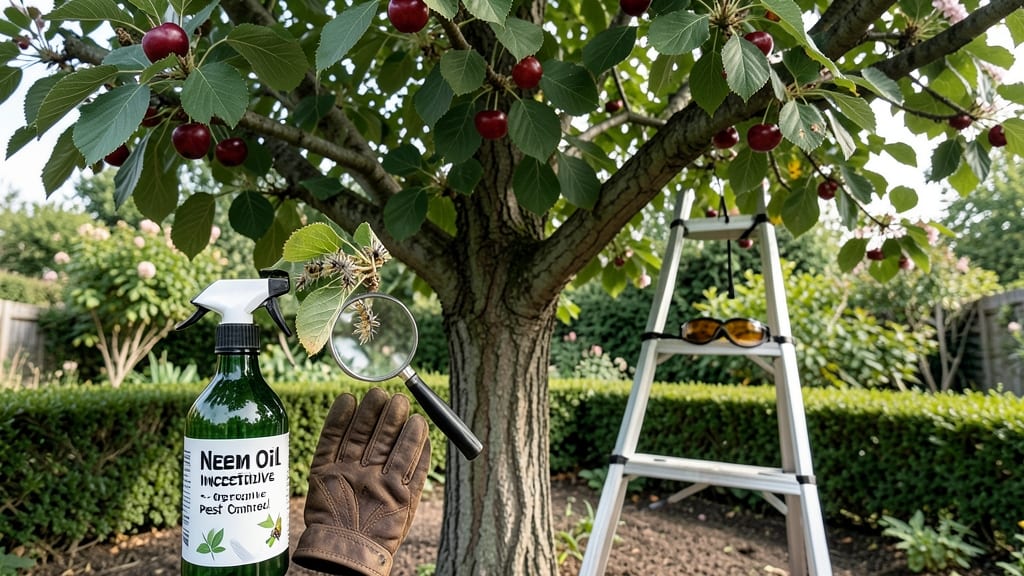
When your cherry tree insecticide of choice is a natural, bee-friendly neem oil blend, those curled leaves signaling aphid parties become a thing of the past. 🌿 The formula I use stops these pests dead in their tracks without harming bees or your tree's health—no harsh chemicals required.
Most store-bought insecticides miss the mark by targeting only one pest. This blend works on aphids, borers, and spider mites because it disrupts their life cycle at multiple stages. You'll see results within 3-5 days of application, with full protection lasting 2-3 weeks per treatment.
The process is simple: mix, spray, and repeat every 2 weeks during peak pest season. Your tree won't just survive—it'll thrive with shiny, healthy leaves and plump, sweet cherries come harvest time. Works for both sweet and tart varieties, and it's safe enough to use right up until harvest day.
Here's how to make and apply it properly!
📚 In This Guide
- What you need
- Instructions
- Tips and common mistakes
- Wrapping up and next steps
What you need
- ● Neem oil (100% cold-pressed, organic): 1 tablespoon per 1 quart of water
- ● Dish soap (unscented, biodegradable): ½ teaspoon per quart of water
- ● Water (distilled or dechlorinated): 1 quart (or enough to fill your sprayer)
- ● Spray bottle or backpack sprayer: 1-2 gallons capacity (for larger trees, use a 3-5 gallon pump sprayer)
- ● Mixing container (clean and non-reactive): Large bucket or pitcher (at least 1-gallon capacity)
- ● Stirring stick or spoon (wooden or plastic): 1
- ○ Protective gear (optional but recommended): Gloves (nitrile or rubber)
- ● Long sleeves and pants
- ● Safety goggles
- ● Funnel: For easy pouring into spray bottles
- ● Measuring cups/spoons: For precise ingredient ratios
- ● Label maker or masking tape + marker: To label your spray mixture
- ● Fine-mesh strainer: To filter out any debris before spraying
- ● Weatherproof storage container: For leftover mixture (if storing for short-term use)
Step-by-Step instructions for making a natural neem oil cherry tree insecticide
Here’s how I create a potent, organic blend that keeps pests off cherry trees without harming beneficial insects.
🌿 Step 1: Mix the Base Solution
Combine 1 quart of water with 2 tablespoons of neem oil in a large container. Stir gently to avoid creating suds—neem oil works best when fully emulsified but not foamy. I like to use a wooden spoon or chopstick to blend it smoothly. Add 1 teaspoon of mild liquid soap (like Castile soap) to help the oil disperse evenly in the water. This soap acts as an emulsifier, ensuring the neem oil doesn’t separate later.
Let the mixture sit for 5-10 minutes while you gather your other supplies. This gives the oil and soap time to fully integrate. If you notice any separation after mixing, give it another quick stir before proceeding. The goal is a uniform, slightly cloudy liquid—no streaks or floating oil patches.
💧 Step 2: Add Optional Enhancers for Targeted Protection
For extra pest control, stir in 1 tablespoon of garlic juice (from 2-3 cloves) or 1 teaspoon of cayenne pepper for added repellent properties. Garlic contains sulfur compounds that deter soft-bodied insects like aphids and mites, while cayenne adds a mild irritant that pests avoid. If your cherry tree is dealing with codling moths or borers, skip the garlic and cayenne—they won’t help with these deeper pests.
For fungal issues like powdery mildew, add 1 tablespoon of baking soda to the mix. This creates a balanced spray that tackles both insects and fungal spores. Always mix these enhancers after the neem oil and soap have combined to prevent clumping. Stir well and test the consistency—it should coat a spoon evenly without dripping.
☀️ Step 3: Apply at the Right Time for Maximum Effect
Transfer the mixture to a spray bottle or pump sprayer (avoid aerosol cans—they can damage delicate tree foliage). Apply the spray early in the morning or late in the afternoon when temperatures are below 85°F. Direct the spray underneath leaves and along the bark where pests hide. Focus on new growth, buds, and fruit clusters—these are high-risk areas for infestations.
Reapply every 7-10 days or after rain, as neem oil breaks down quickly in sunlight. For severe infestations, apply twice weekly until pests are gone. Always shake the bottle before each use, as the oil may settle. Cover the ground with cardboard or newspaper to protect nearby plants from overspray.
✂️ Step 4: Monitor and Reassess for Long-Term Control
After the first application, check the tree 3-5 days later for signs of pest activity. Look for chewed leaves, sticky residue (honeydew), or tiny eggs on the undersides of leaves. If pests persist, increase the frequency of applications or consider adding 1 teaspoon of horticultural oil to the mix for a stronger barrier.
Rotate your approach seasonally—neem oil works best as a preventative measure in early spring and late summer. Pair it with pruning out infested branches and removing fallen fruit to break pest life cycles. Avoid spraying when bees are active, as neem oil can harm them. Early morning applications minimize this risk while still protecting your tree.
Tips & tricks for perfect neem oil blends
These small adjustments make all the difference when crafting an effective neem oil spray that actually works.
Emulsification is Key: The 5-10 minute rest period in Step 1 isn't just about convenience—it lets the neem oil and soap fully emulsify. If you're impatient and skip this, you'll end up with oil floating on top that won't stick to leaves. I've learned this the hard way after seeing entire batches separate within hours. For extra insurance, add a tiny pinch of horticultural oil (just ½ teaspoon) during this resting period—it helps stabilize the mixture even better than the soap alone.
Temperature Matters More Than You Think: That 85°F maximum temperature in Step 3 isn't arbitrary—neem oil breaks down faster in heat, losing effectiveness. If you must spray during hotter days, dilute the mixture with an extra ¼ cup of water to help it cling better to leaves. Also, avoid spraying when dew is still on the foliage; the water droplets can dilute your carefully made blend before it even has a chance to work.
Garlic vs. Cayenne Strategy: Here's what nobody tells you—the garlic juice in Step 2 works best for soft-bodied pests like aphids and mites, while cayenne is more effective against crawling insects like beetles. If you're dealing with a mixed infestation, I recommend using both (1 tablespoon garlic juice + ½ teaspoon cayenne) for broader coverage. Just remember to add them after the neem oil has fully integrated, or you'll end up with clumps that won't spray evenly.
Application Technique: The real secret to success lies in how you apply it. In Step 3, don't just spray the tops of leaves—pests hide on the undersides and in leaf crevices. Use a spray bottle with a fine mist setting to penetrate these areas thoroughly. For larger trees, consider using a pump sprayer with a 1-gallon capacity to cover more ground quickly. And always spray until the undersides are visibly wet; dry spots mean missed pests.
Pro Tips for Cherry Tree Insecticide
- These small adjustments make all the difference when crafting an effective neem oil spray that actually works.
- Emulsification is Key: The 5-10 minute rest period in Step 1 isn't just about convenience—it lets the neem oil and soap fully emulsify.
- Temperature Matters More Than You Think: That 85°F maximum temperature in Step 3 isn't arbitrary—neem oil breaks down faster in heat, losing effectiveness.
Frequently asked questions
Got questions about keeping your cherry trees pest-free with natural insecticides? Here are some of the most common concerns—and answers—to help you make the best choices for your orchard or backyard:
What’s the best time of year to apply neem oil insecticide to cherry trees?
Apply neem oil insecticide early in the season, ideally during late winter or early spring (just before buds swell) to prevent pests like aphids, mites, and borers. A second application in late spring or early summer can help control emerging infestations. Avoid spraying when flowers are open to protect pollinators!
Is neem oil safe for all types of cherry trees (sweet, tart, etc.)?
Yes! Neem oil is generally safe for all cherry tree varieties, including sweet and tart cherries, when used as directed. However, always test a small branch first to check for sensitivity. Organic neem-based blends are especially gentle on fruit trees while effectively repelling pests like Japanese beetles and cherry fruit flies.
How often should I reapply neem oil if pests keep coming back?
For persistent pests, reapply neem oil every 7–14 days during active growing seasons (spring to early fall). Rain can wash it off, so reapply after heavy rainfall. Combine with horticultural oil for extra protection, but avoid mixing with synthetic pesticides, which can reduce effectiveness.
Are there natural alternatives to neem oil for cherry tree pests?
Try these DIY-friendly alternatives:
- Soap spray: Mix 1 tbsp mild castile soap + 1 quart water (targets soft-bodied pests like aphids).
- Garlic or chili pepper spray: Blend garlic/chili with water and a drop of dish soap for a spicy repellent.
- Beneficial insects: Introduce ladybugs or lacewings to eat pests naturally.
- Kaolin clay: Creates a barrier against fruit flies and borers.
Why isn’t my neem oil working? Troubleshooting tips!
If neem oil isn’t controlling pests, check these common issues:
- Wrong timing: Apply when pests are active (not dormant).
- Incomplete coverage: Spray both sides of leaves and the tree trunk.
- Dilution issues: Use the 1–2% concentration (follow product labels).
- Resistant pests: Rotate with other natural sprays like pyrethrin (derived from chrysanthemums).
- Environmental factors: Rain or high temps can degrade it quickly.
Wrapping up and next steps
Protecting your cherry trees from pests doesn’t have to mean harsh chemicals—neem oil blends offer a safe, natural, and effective alternative! 🌿 With the right mix of ingredients and timing, you can keep insects at bay while nurturing your trees for years to come.
Whether you’re a seasoned gardener or just starting out, this eco-friendly approach lets you enjoy lush, healthy cherry trees without the guesswork.
Ready to take action? Start by gathering your supplies and scheduling your first treatment this season—your trees (and future harvests!) will thank you. Happy gardening! 🌳💚