
Pruning
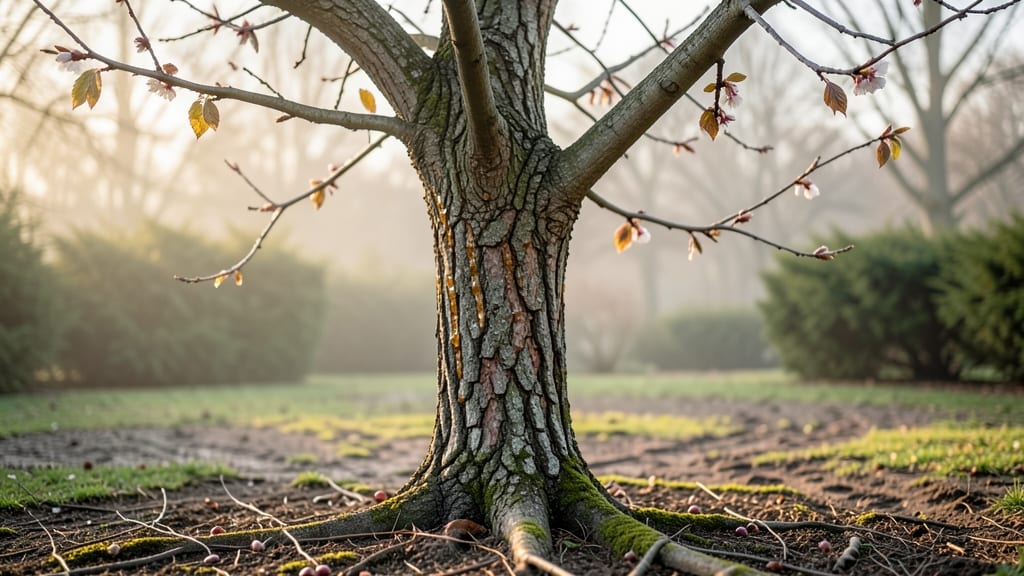
My cherry tree oozing sap like a broken faucet? That sticky mess isn’t just gross—it’s a cry for help. 🌳 I’ve seen this happen after brutal winters, pest attacks, or when bacteria move in like uninvited guests. The good news?
You can stop the flow with three targeted cuts and a little first aid for your tree. First, grab your pruners and inspect the wounds. Sap oozing from vertical cracks means frost damage, while oozing cankers signal bacterial infection.
Cut out the damaged tissue 6–12 inches below the ooze—sterilize your tools first to avoid spreading trouble. For frost cracks, seal the wounds with tree wound paint (optional but helpful). What you’ll end up with is a tree that stops "bleeding" and starts healing.
New growth will fill in the gaps, and those cankers won’t spread if you catch them early. The key is acting fast—before the sap turns into a full-blown infection.
Prevention is easier than cleanup: wrap young trees in burlap for winter, prune in late winter (when the tree is dormant), and keep an eye out for sawyer beetles or borers. A healthy tree fights off sap oozing like a champ.
Root Causes of Sap Bleeding
When your cherry tree starts oozing sap like a sticky syrup factory, it’s usually a sign that something’s off beneath the surface—or even inside it. Understanding the root causes helps you diagnose the issue and act fast.
Below, we break down the most common reasons why sap might be leaking from your tree, along with the science behind each one.
Cherry trees, like many fruit trees, can develop sap bleeding when they’re under stress. This often happens during early spring when the tree is breaking dormancy but hasn’t yet fully adjusted to warmer temperatures.
The sudden shift can cause internal pressure to build up, forcing sap out through weak spots in the bark.
- Why it happens: Rapid temperature fluctuations (like freezing nights followed by sunny days) disrupt the tree’s vascular system. The xylem (water-conducting tissue) struggles to regulate sap flow, leading to leaks.
- Actionable clue: Look for sap oozing near the base of the trunk or larger branches. If the weather has been unpredictable, stress-induced bleeding is likely the culprit.
- Pro tip: 🌡️ Mulch the base of the tree with 2–4 inches of organic mulch to insulate roots and reduce temperature stress. Avoid over-mulching, which can suffocate the tree.
Sap bleeding can also signal an unseen battle waging inside your tree. Pests like borers or fungal infections weaken the bark, creating entry points for sap to escape. If you notice sawdust-like frass (insect waste) or discolored bark, pests may be the villains.
- Why it happens:
- Borers: These wood-boring insects tunnel into the cambium layer (the tree’s growth ring), disrupting sap flow. The tree “bleeds” as it tries to seal off the damage.
- Fungal infections: Pathogens like Nectria or Cytospora can clog the tree’s vascular system, forcing sap to leak through cracks or wounds.
- Actionable clue: Check for:
- Small holes or exit tunnels in the bark (borer activity).
- Sunken, discolored, or oozing cankers (fungal infections).
- Honeydew or sooty mold (a sign of sap-sucking insects like aphids).
- Pro tip: ✨ If you spot borers, apply borax-based insecticide or introduce beneficial nematodes to the soil. For fungal issues, prune infected branches below the canker and sterilize tools with rubbing alcohol.
Even well-intentioned pruning can trigger sap bleeding if cuts aren’t made correctly. Improper pruning severs the cambium layer, leaving the tree vulnerable to excessive sap loss. Large wounds or jagged cuts act like open faucets, allowing sap to gush out.
- Why it happens:
- The cambium layer is the tree’s “plumbing.” When damaged, the tree releases sap to seal the wound, but if the cut is too big or poorly healed, the bleeding continues.
- Pruning during active sap flow (late winter to early spring) worsens the issue, as the tree is already under pressure to push nutrients upward.
- Actionable clue: Look for:
- Fresh, jagged cuts on branches or the trunk.
- Sap oozing from pruning sites that haven’t calloused over within a few weeks.
- Dieback (dead branches) near pruning wounds.
- Pro tip: 🔪 To minimize bleeding:
- Prune during dormant season (late fall or winter).
- Use clean, sharp tools to make 45-degree cuts just outside the branch collar.
- Apply pruning sealant (like Tanglefoot Tree Wound Pruning Seal) to large wounds to reduce sap loss.
Sometimes, the problem starts below ground. Poor drainage, compacted soil, or root damage can create internal pressure that forces sap to the surface. If your tree is in heavy clay soil or an area prone to waterlogging, this could be the cause.
- Why it happens:
- Waterlogged roots: Excess moisture in the soil increases root pressure, pushing sap up through the trunk and branches.
- Root girdling: If roots are circling the trunk (from container growth or poor planting) or damaged by construction, they can’t regulate water uptake, leading to sap leaks.
- Soil compaction: Heavy foot traffic or machinery can crush roots, restricting water flow and causing the tree to “bleed” as it compensates.
- Actionable clue: Check for:
- Sap oozing near the base of the trunk or along the root flare.
- Mushrooms or mold at the base (sign of excess moisture).
- Visible root damage or girdling when inspecting the soil line.
- Pro tip: 💡 Improve drainage by:
- Amending soil with compost or sand to loosen clay.
- Avoiding overwatering—let the top 2–3 inches of soil dry out between waterings.
- Creating a root zone aeration trench (dig a shallow trench around the tree and fill with gravel).
Fixing Cherry Tree Sap Leaks
A cherry tree oozing sap can feel like a mystery, but the good news? Most causes have straightforward fixes—whether it’s a minor wound or a deeper issue. Below, we’ll match common causes to practical solutions, so you can stop the "bleeding" and keep your tree thriving.
Plus, we’ll share prevention tips to avoid future sap emergencies.
Cause: Fresh pruning cuts, bark damage, or small injuries expose the tree’s sap vessels, leading to oozing.
How to Fix It:
- Clean the wound 🧼: Use a sterilized pruning saw or knife to trim away any ragged edges, creating a smooth surface. This reduces entry points for pests and disease.
- Apply a protective sealant 🛡️: Coat the cut with tree wound paint (like Tanglefoot Tree Wound Pruning Sealer) or pruning sealant. Avoid thick, suffocating products—opt for breathable options.
- Monitor for healing 🌱: Sap should slow within 24–48 hours. If it persists, check for deeper damage (see below).
Prevention Tips: ✔ Prune in late winter/early spring (when the tree is dormant) to minimize sap loss. ✔ Use sharp tools to avoid tearing bark—clean cuts heal faster. ✔ Disinfect tools between cuts (rubbing alcohol or bleach solution) to prevent bacterial spread.
Cause: Extreme cold, heat waves, or rapid temperature swings can cause sap bleeding as the tree struggles to regulate moisture.
How to Fix It:
- Water deeply but less frequently 💦: During heatwaves, water early in the morning (1–2 inches per week) to reduce stress. Avoid soggy soil, which can worsen sap flow.
- Mulch properly 🌿: Apply 2–4 inches of organic mulch (wood chips, straw) around the base (but not touching the trunk) to insulate roots.
- Shade young trees 🌳: If sap oozing coincides with scorching sun, provide light shade (e.g., a temporary shade cloth) during peak afternoon heat.
Prevention Tips: 💡 Avoid winter watering—overly wet soil in cold months can freeze and damage roots. 🌡️ Acclimate trees gradually to temperature changes (e.g., move potted cherry trees indoors before a frost warning).
Cause: Boring insects (like emerald ash borer or carpenterworms) or fungal infections (e.g., silver leaf fungus) can create internal damage, forcing sap to ooze from cracks or holes.
How to Fix It:
| Pest/Disease | Signs | Solution |
|---|---|---|
| Boring Insects | Sawdust-like frass, exit holes | Apply systemic insecticide (e.g., imidacloprid) or beneficial nematodes (for organic control). |
| Fungal Infection | Discolored sap, wilting leaves | Prune infected branches (sterilize tools!), then treat with copper fungicide. |
| Bacterial Canker | Oozing sap + sunken, dead bark | Remove infected tissue, apply copper-based bactericide, and improve airflow. |
Prevention Tips: 🛡️ Inspect trees regularly for early signs (e.g., holes, unusual sap colors). 🌿 Encourage natural predators (ladybugs, birds) by planting companion flowers nearby. 🚫 Avoid over-fertilizing—excess nitrogen attracts pests and weakens defenses.
Cause: Root girdling, soil compaction, or physical trauma (e.g., lawnmower strikes) can disrupt the tree’s vascular system, causing sap to leak from the base or trunk.
How to Fix It:
- Check the roots 🌱: Gently loosen compacted soil around the base with a garden fork. If roots are circling the trunk (girdling), prune the excess carefully.
- Support weak trunks 🪵: If the tree is leaning or cracked, install a tree stake (with a soft, breathable strap) to stabilize it.
- Test for soil health 📊: If sap oozing coincides with poor growth, amend the soil with compost or a slow-release fertilizer.
Prevention Tips: ✨ Keep grass/weeds trimmed at least 2 feet from the trunk to avoid hidden damage. ✨ Avoid heavy machinery near the tree’s drip line (the area under its canopy).
If sap oozing is heavy, foul-smelling, or accompanied by wilting, dieback, or fungal growth, consult an arborist. Severe cases (like advanced canker or internal rot) may require professional treatment to save the tree.
Remember: Most sap leaks are not emergencies, but acting quickly prevents long-term stress. With the right care, your cherry tree will bounce back—and next season, you’ll enjoy plump fruit and zero sticky surprises! 🍒✨
Frequently asked questions
Is oozing sap from my cherry tree always a sign of disease?
Not necessarily! While sap oozing can indicate infections like bacterial canker, it often happens due to environmental stress or minor injuries. Common non-disease causes include frost cracks, improper pruning, or rapid temperature swings. Always check for other symptoms like wilting leaves or oozing cankers before assuming disease.
How do I tell if my cherry tree's sap oozing is from pests or disease?
Look for these clues: If you see small holes with sawdust-like frass (insect waste), it's likely borers. For disease, watch for sunken, discolored cankers or foul-smelling sap. Fungal infections often appear as black or orange ooze with dying branches nearby. Sterilize tools before pruning suspected areas!
Can I use regular paint to seal sap leaks on my cherry tree?
No—regular paint suffocates the wound! Use tree-specific wound sealant (like Tanglefoot Tree Wound Pruning Seal) instead. These products allow the tree to heal naturally while protecting against pests. Apply only to clean, fresh cuts—never to healthy bark, as this can trap moisture and cause rot.
Will pruning my cherry tree stop the sap oozing immediately?
Not always. While proper pruning removes damaged tissue, sap flow may continue for 24–48 hours as the tree seals the wound. For stubborn oozing, check for deeper issues like root damage or internal rot. If the sap persists beyond 3 days, consult an arborist—some problems require professional treatment.
Is it safe to eat fruit from a cherry tree that's oozing sap?
Only if the oozing is minor and from environmental stress (like frost cracks). However, if the sap is discolored, foul-smelling, or accompanied by cankers, the fruit may be contaminated. When in doubt, remove all fruit from affected trees and monitor for 3–4 weeks to ensure no disease spreads.