
Leaf Blower
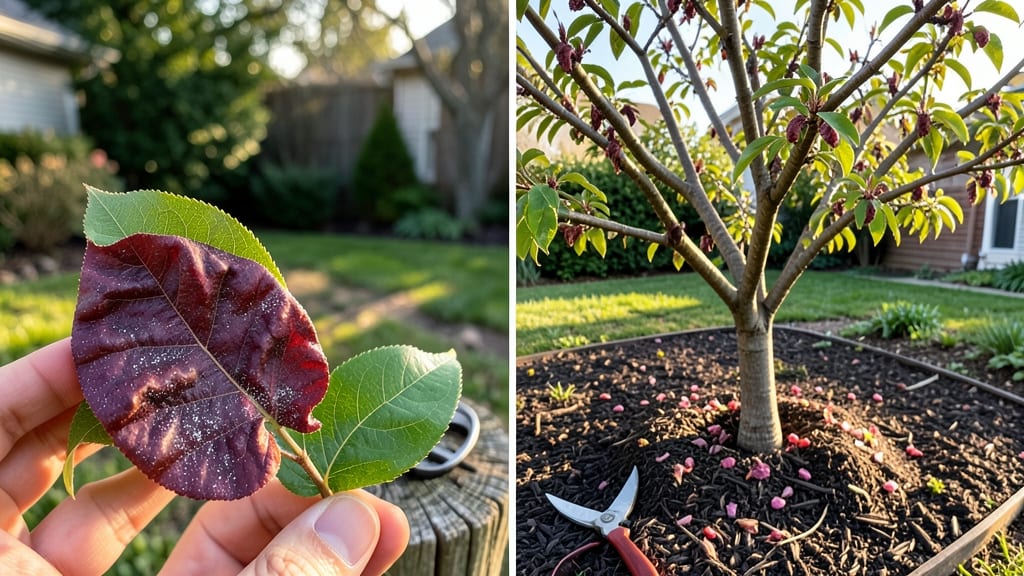
That puckered, curled leaf on your peach tree isn’t just odd—it’s peach tree curly leaf fungus, and catching it early means saving your harvest. 🌱 I’ve seen this disease turn lush canopies into sad, distorted messes, but with the right moves, you can turn things around before it spreads.
This fungus thrives in damp springs and loves peach, plum, and nectarine trees. The classic symptom? Leaves that curl, thicken, and turn yellow or red—like someone crumpled them overnight.
The good news? It’s treatable, especially if you act fast. Prune infected branches before spores spread, and clean up fallen leaves to starve the fungus.
For organic control, a mix of copper fungicide and baking soda spray (1 tsp baking soda + 1 tsp oil + 1 tsp soap per gallon of water) works wonders.
Spray when leaves are dry, and repeat every 2 weeks until new growth appears. The key? Consistency—this fungus doesn’t quit, so neither can you.
Long-term, focus on airflow: thin your tree’s branches to let sunlight and air circulate. Resistant varieties like ‘Redhaven’ or ‘Elberta’ can also help. With these steps, your tree will bounce back—and next season, you’ll spot the first signs before they become a full-blown problem.
Root Causes Behind Leaf Warping
Understanding why your peach tree’s leaves develop that unmistakable curly, puckered appearance starts with identifying the fungal culprits and environmental triggers at play. This isn’t just a random quirk of nature—it’s a clear distress signal from your tree, often tied to pathogens, weather patterns, or poor orchard management.
Let’s break down the science behind the symptoms.
The primary villain behind peach tree curly leaf is the Taphrina deformans fungus, a microscopic organism that thrives in peach orchards. Here’s how it hijacks your tree’s growth:
- Spores Spread via Wind/Rain 🌬️💧 Taphrina spores lurk dormant in infected leaves, buds, or even the soil. When conditions are right—warm, humid springs (60–75°F)—they blast off in the wind or hitch rides on raindrops to healthy tissue.
Once landed, they germinate and penetrate leaf cells, disrupting normal development.
- Cellular Hijacking 🧬🔗 The fungus secretes enzymes that alter the leaf’s growth hormones, causing cells to divide abnormally. Instead of flat, smooth leaves, the tissue puckers, thickens, and curls as the fungus feeds on nutrients.
Think of it like a parasite rewiring a computer—your tree’s leaves are "hacked" to serve the fungus’s needs.
- Seasonal Outbreaks 📅🍑 Curly leaf fungus is most aggressive in early spring, when new leaves emerge. If your tree was infected last year, spores may already be hiding in bud scales or fallen leaves, ready to strike again as soon as buds swell.
Fungi don’t act alone—they’re opportunists, and your tree’s environment often sets the stage for an outbreak. Watch for these red-flag conditions:
| Weather Factor | How It Helps the Fungus | Your Action Plan |
|---|---|---|
| Cool, Wet Springs | Spores germinate faster in damp conditions. | Prune infected branches before buds swell. |
| High Humidity | Fungal growth accelerates; leaves stay wet longer. | Improve airflow with proper spacing (15–20 ft between trees). |
| Late Frosts | Damaged buds = entry points for spores. | Use frost cloth in high-risk zones. |
| Poor Drainage | Waterlogged soil weakens roots, stressing the tree. | Amend soil with compost to boost drainage. |
💡 Pro Tip: If your area has a history of mild winters followed by rainy springs, your peach tree is at high risk. Monitor buds closely in February–March for the first signs of pinkish, curled growth—this is the fungus’s "hello."
A healthy tree can resist fungal attacks, but stress makes it an easy target. Common stressors that weaken defenses include:
- Nutrient Deficiencies 🌱💀 Low zinc, nitrogen, or boron weaken cell walls, making leaves more susceptible. Look for yellowing between veins (a classic deficiency sign) alongside curling.
- Overwatering or Drought 💦🔥 Both extremes disrupt root function. Too much water = root rot; too little = osmotic stress. Either way, the tree diverts energy from leaf protection to survival.
- Physical Damage ⚔️🍂 Hail, strong winds, or improper pruning create wounds where spores can latch on. Even insect damage (like from peach tree borers) opens the door.
- Crowded Orchards 🌳🚫 Trees competing for sunlight and air circulation stay damp longer, perfect for fungal spores. Aim for 12–20 feet of space between mature peach trees.
Here’s the harsh truth: Taphrina deformans is a persistent pest. Even if you cure this year’s outbreak, spores can lie dormant for years in:
- Mummified leaves clinging to branches.
- Infected buds hidden in bark crevices.
- Soil or mulch near the tree’s base.
🔥 Actionable Insight: If your tree has had curly leaf in past years, aggressive cleanup in late winter (before bud break) is critical. Remove all infected leaves, branches, and debris within a 10-foot radius of the tree. Burn or trash them—do not compost—to break the fungus’s life cycle.
Key Takeaway: Curly leaf fungus doesn’t strike randomly—it’s the result of a perfect storm of pathogens, weather, and tree stress. By addressing spore sources, environmental conditions, and tree health, you can starve the fungus out before it warps another season’s harvest. 🚜🌿
How to Fix Curly Leaf Issues
Curly, distorted leaves on your peach tree aren’t just unsightly—they can weaken the tree and reduce fruit quality if left unchecked. The good news? With the right approach, you can turn things around.
Below are practical, organic solutions tailored to the root causes of peach tree leaf curl, from fungal infections to environmental stressors. Follow these steps to restore your tree’s health and prevent future outbreaks.
Before treating, identify whether your peach tree’s curly leaves are caused by fungal infection (like peach leaf curl), pests, or environmental stress.
Here’s how: - Inspect the undersides of leaves for fuzzy mold (fungus) or tiny webs (mites/spider mites). - Check for sticky residue (aphids) or chewed edges (caterpillars). - Look for yellowing or browning along leaf veins (fungal signs). - Monitor weather patterns: Curling often worsens after wet springs or sudden temperature swings.
If you’re unsure, snap a clear photo and consult your local Cooperative Extension Service for a diagnosis.
Fungal spores and pests thrive in old plant material. Prune aggressively to stop the spread: - 🔪 Cut out all curled, distorted, or spotted leaves—don’t compost them!
Toss them in the trash or burn them (if legal in your area). - Rake up fallen leaves and fruit mummies from under the tree. These harbor overwintering fungi and pests. - Thin out dense branches to improve airflow, reducing humidity (a fungus’s best friend).
Pro Tip: 💡 Sterilize pruners between cuts with 70% isopropyl alcohol or a 10% bleach solution to avoid spreading spores.
For peach leaf curl fungus, act early (dormant season is best, but you can treat now if caught early). Use these effective, organic options:
| Treatment | How to Use | Best For |
|---|---|---|
| Baking Soda Spray | Mix 1 tbsp baking soda + 1 tsp horticultural oil + 1 tsp soap per gallon of water. Spray every 7–10 days. | Early-stage fungal infections |
| Neem Oil | Combine 1–2 tbsp neem oil + 1 tsp soap per gallon of water. Spray at dusk to avoid burning leaves. | Fungus and pests (mites, aphids) |
| Copper Fungicide | Follow label rates (e.g., Copper Sulfate or Copper Hydroxide). Apply before bud break for best results. | Severe fungal infections |
| Potassium Bicarbonate | Mix 1 tbsp per gallon of water + a few drops of soap. Spray weekly until leaves recover. | Mild to moderate infections |
Avoid chemical fungicides if possible—they can harm beneficial insects and soil health. Reapply after rain to maintain protection.
Overwatering or poor drainage stresses trees, making them susceptible to fungus.
Fix these issues: - Water deeply but infrequently: Aim for 1–1.5 inches per week (check soil moisture 2–3 inches down). - Improve drainage: Amend heavy clay soil with compost or sand to prevent waterlogging. - Mulch properly: Use 2–3 inches of organic mulch (wood chips, straw) but keep it 6 inches away from the trunk to avoid rot.
Pro Tip: 🌡️ Water in the morning to allow foliage to dry quickly, reducing fungal growth.
An ounce of prevention saves hours of cleanup! Follow these long-term strategies:
🎯 Cultural Controls (Non-Chemical)
- Plant resistant varieties: Some peach cultivars (like ‘Redhaven’ or ‘Elberta’) are less prone to leaf curl.
- Prune in late winter: Remove last year’s infected leaves before buds swell.
- Space trees properly: Ensure 12–15 feet between trees for airflow and sunlight penetration.
🔥 Biological & Physical Barriers
- Install row covers in early spring to block fungal spores from infecting new growth.
- Encourage beneficial insects: Ladybugs and lacewings prey on pests like aphids, which can spread fungal diseases.
- Use reflective mulch: Aluminum mulch around the base can reduce fungal spores by reflecting sunlight.
💡 Early Detection Tips
- Inspect leaves weekly during growing season.
- Watch for “silvering” (a metallic sheen) on new leaves—an early sign of peach leaf curl.
- Test soil pH: Aim for 6.0–7.0; acidic soil (below 5.5) encourages fungal growth. Amend with lime if needed.
- Pruned? ✅ All infected leaves and debris removed.
- Treated? ✅ Applied fungicide (neem, copper, or baking soda).
- Watering fixed? ✅ Soil is well-draining and not soggy.
- Prevented? ✅ Mulched, spaced, and resistant varieties considered.
- Monitoring? ✅ Scheduled weekly leaf checks.
With consistent care, your peach tree should regain its lush, healthy leaves within 4–6 weeks. If symptoms persist, consider soil testing or consulting a local arborist for deeper issues.
Remember: Patience is key—some trees take time to bounce back, but your efforts will pay off in juicier peaches and stronger growth next season!
Frequently asked questions
Why do peach tree leaves curl in spring?
The classic peach tree curly leaf fungus (caused by Taphrina deformans) thrives in cool, wet springs when new leaves emerge. The fungus alters growth hormones, causing leaves to pucker and thicken. Look for pinkish, curled growth on new shoots—this is the fungus’s signature move!
Can I save my peach tree if leaves are already curled?
Yes! Act fast with copper fungicide or a baking soda spray (1 tbsp baking soda + 1 tsp oil + 1 tsp soap per gallon of water). Prune all infected branches immediately and remove fallen leaves to stop spore spread. With consistent treatment, new leaves should grow straight within 4–6 weeks.
Is peach leaf curl the same as viral curl?
No—they’re completely different! Fungal curl (like peach leaf curl) causes thickened, puckered leaves with a fuzzy mold on undersides, while viral curl creates thin, twisted leaves with no fungal growth. Viral curl has no cure; fungal curl is treatable with proper care. Always confirm with a local extension office if unsure!
How do I prevent this fungus next year?
Start with dormant-season pruning (late winter) to remove all infected leaves. Apply copper fungicide before buds swell, and improve airflow by spacing trees 12–15 feet apart. Mulch with wood chips (keep 6 inches from trunk) and avoid overhead watering to keep leaves dry.
Will my peaches still be edible if the leaves are curled?
Yes! The fungus primarily affects leaves, not fruit. However, severe infections can reduce fruit quality and make trees more susceptible to sunburn. Treat the fungus aggressively to ensure healthier trees and sweeter peaches next season. Always harvest fruit as soon as it ripens to avoid pest issues.