
Pruning
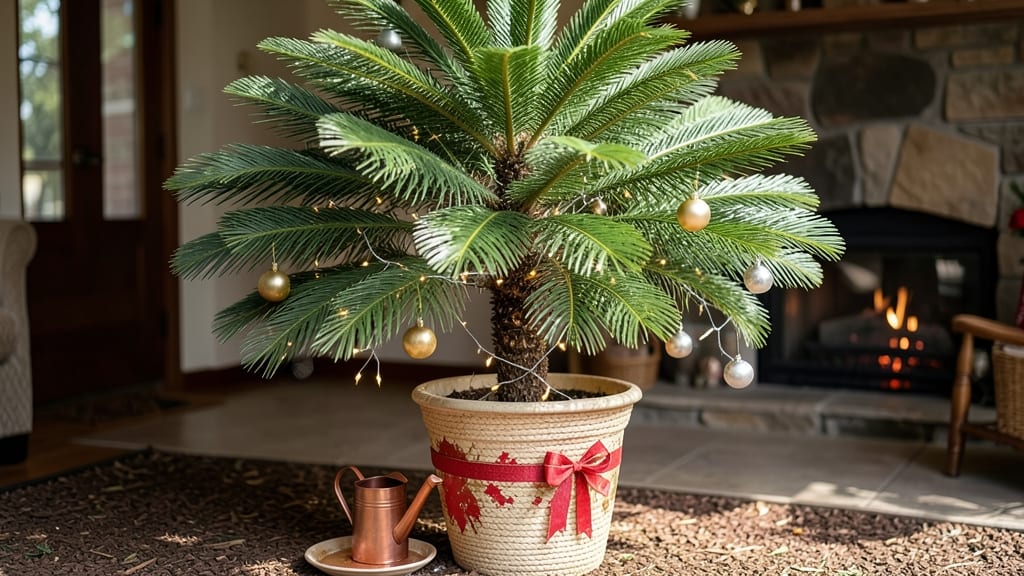
Growing a Christmas tree in a flower pot means holiday cheer year-round, not just December. 🌲 I’ve turned my tiny balcony into a winter wonderland by growing a dwarf Alberta spruce in a decorative pot—it’s been lush and green through every season, even when snow’s falling outside.
The key is choosing the right tree: dwarf varieties like Fraser firs, Nordmann firs, or Colorado blue spruces thrive in containers. You’ll need a pot with drainage, quality potting mix, and a spot that gets morning sun and afternoon shade.
My tree’s been in the same 15-gallon pot for three years, and it’s never looked better. By late fall, you’ll add twinkling lights or ornaments, but the magic starts now—watering deeply once a week, fertilizing lightly in spring, and pruning just enough to keep it shaped.
The result? A living centerpiece that smells like Christmas all year. Works for patios, porches, or even indoor spaces with bright windows. Here’s how to make it happen without the holiday stress!
📚 In This Guide
- What you need
- Instructions
- Tips and common mistakes
- Wrapping up and next steps
What you need
- ● Flower pot: 1 large, sturdy pot (12–18 inches in diameter) with drainage holes. Choose from ceramic, terracotta, or a decorative holiday-themed pot.
- ● Potting soil: 1–2 bags of high-quality, well-draining potting mix (avoid garden soil—it compacts too much!).
- ● Christmas tree (miniature or dwarf variety): Option 1: Pre-potted Norfolk Island pine or dwarf Alberta spruce (3–5 feet tall).
- ● Option 2: Bare-root balsam fir or fraser fir sapling (if planting from seedling).
- ● Slow-release fertilizer: 1 packet of balanced, organic fertilizer (e.g., 10-10-10 or a tree-specific blend).
- ○ Mulch (optional but recommended): Pine bark or decorative stones to retain moisture and add holiday flair.
- ● Garden trowel or small shovel: For planting and soil adjustments.
- ● Watering can or hose with a gentle spray nozzle: To avoid disturbing the soil.
- ● Pruning shears: For shaping and trimming (if needed).
- ○ Decorative accents (optional): Miniature ornaments, fairy lights, or garlands.
- ● Holiday-themed pot cozy or sleeve (for outdoor pots).
- ● A sunny or partially shaded spot (6+ hours of light daily for best growth).
- ● Access to water (trees need consistent moisture but not soggy soil!).
- ● Patience! Miniature trees grow slowly—plan for at least 1–2 years to reach ideal size.
Step-by-Step guide to growing a potted Christmas tree
Transform your porch or patio into a year-round holiday display with this simple potted Christmas tree plan.
🌱 Step 1: Choose the Right Tree and Pot
Select a dwarf variety like Fraser fir or Nordmann fir—these stay manageable in containers. The pot needs drainage holes and should be at least 12 inches deep with a diameter of 18-24 inches to accommodate root growth. I like to use terra cotta pots because they breathe and prevent root rot, but any sturdy container works.
Fill the pot's base with 2-3 inches of gravel or broken pottery for drainage. This layer prevents waterlogging, which can suffocate roots. If you're planting a young tree, make sure the pot is 2-3 inches wider than the root ball—this gives roots room to expand without circling.
🪴 Step 2: Plant the Tree Properly
Remove the tree from its nursery pot and gently loosen the roots with your fingers. Place it in the center of the pot so it stands 1-2 inches taller than the pot's rim—this accounts for settling. Fill the sides with lightweight potting mix (never garden soil—it compacts too much).
Press the soil lightly around the roots to eliminate air pockets, but don’t pack it down. Water deeply until it drains from the bottom holes, then let it sit for 10-15 minutes to absorb fully. Mulch the surface with 1 inch of pine bark to retain moisture and keep roots cool.
☀️ Step 3: Place for Optimal Growth
Your potted tree needs full sun (6+ hours daily) for best color and growth. A south- or west-facing spot works best, but if you only have shade, choose a slow-growing variety like the Colorado blue spruce. Avoid hot afternoon sun in summer—it can scorch needles.
Rotate the pot quarter-turn weekly so the tree grows evenly. You’ll notice one side leaning toward the light? That’s your cue to move it. In winter, bring it indoors near a bright window or supplement with a grow light to prevent needle drop.
💧 Step 4: Water and Fertilize Regularly
Water when the top 1-2 inches of soil feel dry. Potted trees dry out faster than in-ground ones—check daily in summer. Overwatering is worse than underwatering, so let the soil dry slightly between waterings. I use a moisture meter to avoid guesswork.
Fertilize in early spring and late summer with a slow-release, acid-loving plant fertilizer. Follow the package rates, but halve them if your tree is in a small pot. Yellow needles? That’s a sign of over-fertilizing—flush the soil with water to correct it.
✂️ Step 5: Prune and Maintain Year-Round
Prune in late winter to shape the tree and remove dead branches. Use clean, sharp shears to make cuts just above a bud or branch junction. Never remove more than 1/3 of the foliage at once—this stresses the tree. I also wipe down the pot and branches with a mild soap solution in spring to prevent pests.
For holiday decorating, use LED string lights (they stay cool) and lightweight ornaments to avoid breaking branches. After the season, store decorations in a dry place and give the tree a light trim to encourage fresh growth. With proper care, your potted tree will thrive for 10+ years!
Tips & tricks for perfect potted Christmas trees
Here's what nobody tells you about keeping your potted Christmas tree thriving year after year.
Drainage is Non-Negotiable: That 2-3 inch gravel layer in Step 1 isn't just a suggestion—it's essential. I've seen roots rot from poor drainage even with "drainage holes" in pots. If your pot lacks holes, drill them yourself or use a container with built-in drainage. The roots need air as much as they need water.
Root Loosening Technique: In Step 2, when loosening those roots, don't just pull them apart—gently tease them with your fingers. This encourages outward growth instead of circling. I've had trees live 15 years because of this simple step. The goal is to mimic natural root spread, not create a tangled mess.
Sunlight Rotation Strategy: The quarter-turn weekly rotation in Step 3 works wonders, but here's the secret: mark the pot's position with a small piece of tape or paint a dot. This helps you track growth patterns and ensures even exposure. In my experience, trees left unrotated develop lopsided growth that's nearly impossible to correct later.
Winter Indoor Transition: When moving your tree indoors in winter, don't just plop it by the window. First, gradually acclimate it to indoor conditions over 3-4 days by moving it closer each day. Sudden temperature changes can cause needle drop. I also recommend running a small fan nearby to prevent spider mite infestations—those pests love indoor environments.
Pro Tips for Christmas Tree In Flower Pot
- Here's what nobody tells you about keeping your potted Christmas tree thriving year after year.
- Drainage is Non-Negotiable: That 2-3 inch gravel layer in Step 1 isn't just a suggestion—it's essential.
- Root Loosening Technique: In Step 2, when loosening those roots, don't just pull them apart—gently tease them with your fingers.
Frequently asked questions
Got questions about keeping a Christmas tree in a flower pot? You’re not alone! Here are answers to the most common queries to help you enjoy your festive green beauty all year long.
Can I keep a Christmas tree in a pot year-round?
A real Christmas tree (like a Nordmann or Fraser fir) won’t thrive long-term in a pot—its roots need space to grow. However, you can repurpose it as a seasonal potted plant for 1–2 months with proper care. For year-round greenery, opt for a dwarf conifer (like a mugo pine) or a balsam fir bonsai, which are designed for containers.
How long will a potted Christmas tree last after cutting?
With the right care, a freshly cut Christmas tree in a pot can last 4–6 weeks (or longer!). To extend its life:
- Trim the trunk at a 45-degree angle before placing it in water.
- Use a clean vase or bucket (like a 5-gallon container) to hold it upright.
- Change the water every 2–3 days and add a tree preservative (like floral food) to slow needle drop.
Pro tip: Place it in a cool room (60–65°F) away from heaters to preserve moisture.
What’s the best soil or growing medium for a potted Christmas tree?
Real Christmas trees need well-draining, aerated soil to prevent root rot. Mix:
- 60% peat moss or coconut coir (retains moisture).
- 30% perlite or pumice (prevents compaction).
- 10% sand or orchid bark (improves drainage).
For dwarf conifers, add a slow-release fertilizer (like 10-10-10) in spring. Skip heavy garden soil—it’s too dense!
Can I reuse a potted Christmas tree the next year?
Unfortunately, real Christmas trees won’t regrow after cutting—they’re harvested for short-term use. But you can repurpose the pot! Clean it thoroughly, then use it for:
- A new dwarf tree (like a Norfolk Island pine).
- An indoor herb garden (basil or rosemary love pots!).
- A holiday-themed planter with seasonal flowers.
For a live tree, consider renting a potted tree (some nurseries offer this!) or buying a container-grown sapling designed for replanting.
Why are my potted tree’s needles turning brown?
Brown needles usually signal stress. Common causes and fixes:
Issue
Solution
Overwatering
Let the top 1–2 inches of soil dry between waterings. Ensure the pot has drainage holes.
Underwatering
Water deeply until it drains from the bottom. Mist needles daily in dry climates.
Heat or drafts
Move the tree away from vents, fireplaces, and direct sunlight. Ideal temp: 60–70°F.
Pests (spider mites, aphids)
Wipe needles with a soapy water cloth or spray with neem oil.
Pro tip: If the tree is cut (not potted long-term), brown tips are normal—focus on keeping the trunk hydrated!
Wrapping up and next steps
Transforming your Christmas tree into a year-round statement piece in a flower pot is simpler—and more rewarding—than you think! With the right pruning, care, and creative flair, you can keep that festive charm alive beyond December.
Whether you’re working with a small balcony or a cozy windowsill, this project proves that holiday magic doesn’t have to fade with the season.
Ready to bring the cheer indoors? Grab your tools, pick your pot, and let your green thumb shine! Start small—prune with confidence—and watch your tree thrive as a living holiday centerpiece all year long. 🌲✨