
Diseases
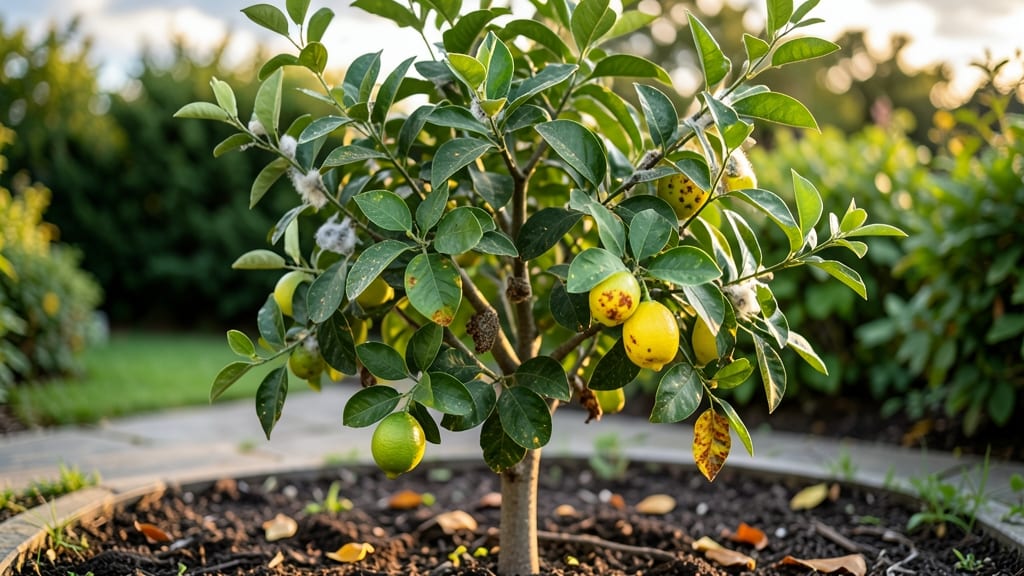
Spotting citrus tree diseases with these pictures early saves your harvest—and I’ve learned that the key is knowing what to look for before the damage spreads. 🌿 This visual guide covers the most common fungal issues, from yellowing leaves to rotting fruit, with clear descriptions of symptoms so you can act fast.
Most problems start with stress—too much water, poor drainage, or crowded branches—but some diseases like citrus canker or greasy spot strike even with perfect care. The good news? Early identification means simple fixes like pruning infected branches or adjusting watering habits can stop the spread before it ruins your tree.
You’ll learn to recognize the telltale signs: dark spots on leaves, sticky residue on fruit, or bark that peels away like old wallpaper. With these visual clues, you’ll catch issues before they become serious—and keep your citrus thriving for years.
Whether you’re a beginner or a seasoned grower, this guide makes diagnosis straightforward. No more guessing—just clear pictures and actionable steps to protect your tree’s health.
Root Causes of Citrus Tree Ailments
Citrus trees are resilient, but they’re not invincible. When diseases strike, it’s usually because of a mix of environmental stress, microbial invaders, or poor care practices. Understanding why these issues arise is the first step to prevention and treatment.
Below, we break down the science behind the most common citrus tree diseases—so you can protect your grove before problems take root.
Fungi are the #1 culprit behind citrus tree diseases, thriving in warm, humid conditions. These microscopic organisms release spores that infect leaves, fruit, and bark, often spreading unnoticed until symptoms appear.
- Humidity & Rain: Fungi like Phytophthora (causing root rot) and Alternaria (leaf spot) love moisture. Overhead watering or poor drainage creates the perfect breeding ground. 💡 Pro Tip: Water at the base in the morning to let foliage dry quickly.
- Warm Temperatures: Ideal fungal growth occurs between 70–85°F (21–29°C). Citrus trees in subtropical climates are especially vulnerable during rainy seasons.
- Weakened Trees: Stress from drought, nutrient deficiency, or physical damage (like pruning wounds) lowers a tree’s defenses, making it easier for fungi to take hold.
🔍 Key Fungal Diseases to Watch For:
Disease
Trigger
Symptoms
Citrus Canker (Xanthomonas bacteria)
Bacterial spread via wind/rain, thrives in wet conditions
Yellow, oozing lesions on leaves/fruit
Melanose (Diaporthe fungus)
High humidity + warm temps
Dark, sunken spots on fruit/leaves
Root Rot (Phytophthora)
Waterlogged soil + poor drainage
Wilting, yellowing leaves; blackened roots
Not all citrus tree problems come from fungi—some are hitchhikers. Insects like aphids, scale, and citrus leaf miners don’t just damage leaves; they spread viruses and bacteria while feeding.
- Sap-Sucking Insects: Aphids and scale insects excrete honeydew, a sticky residue that fosters sooty mold—a black fungal growth. This weakens the tree and blocks sunlight.
- Leaf Miners: Larvae burrow into leaves, creating wounds that invite secondary infections like Alternaria leaf spot.
- Citrus Psyllids: These tiny pests transmit Huanglongbing (HLB), a devastating bacterial disease that causes yellowing leaves and fruit drop.
🛡️ Prevention Tip: Regularly inspect undersides of leaves and use neem oil or insecticidal soap to deter pests before they become a problem.
Healthy soil = healthy trees. When citrus trees lack proper nutrients or suffer from compacted or acidic soil, their immune systems weaken, making them susceptible to diseases.
- Nitrogen Deficiency: Leads to pale, yellow leaves (chlorosis), reducing the tree’s ability to fight off fungal infections like anthracnose.
- Overwatering or Poor Drainage: Causes root rot by suffocating roots and promoting anaerobic (oxygen-lacking) conditions where Phytophthora thrives.
- pH Imbalance: Citrus trees prefer slightly acidic soil (pH 6.0–7.0). Alkaline soil (pH >7.5) locks out essential nutrients like iron and zinc, stressing the tree.
- Soil Compaction: Restricts root growth, reducing water/nutrient uptake and making trees more vulnerable to drought stress and disease.
📊 Quick Soil Check: Test your soil’s pH and nutrient levels annually. Amend with compost or sulfur to adjust pH, and ensure proper drainage with raised beds or gravel if needed.
Extreme weather, sudden temperature shifts, or improper pruning can shock citrus trees, leaving them open to infections.
- Frost or Freezing Temps: Damages leaves and bark, creating entry points for bacterial canker or fungal infections.
- Strong Winds: Physically injures branches, leading to cankers (sunken, dead tissue) where pathogens can colonize.
- Improper Pruning: Cutting too close to the trunk or during wet seasons invites bacterial infections or fungal spores to invade wounds.
- Drought Stress: While underwatering weakens trees, overwatering can also cause stress by promoting root rot. Find the balance!
🌿 Mitigation Tip: Mulch around the base of your tree to regulate soil temperature and retain moisture, reducing stress-related vulnerabilities.
By addressing these root causes—fungal conditions, pests, soil health, and environmental factors—you’ll give your citrus trees the best shot at staying disease-free. Next, we’ll dive into how to spot these issues early using visual cues and our disease picture guide!
How to Fix Citrus Tree Ailments
Now that you’ve identified the problem—whether it’s citrus canker, melanose, root rot, or greasy spot disease—it’s time to act. Early intervention is key to saving your citrus trees.
Below, we break down practical, step-by-step solutions tailored to each common disease, along with prevention tips to keep your trees thriving. Let’s get your citrus back to healthy and happy! 🌿🍊
Cause: Xanthomonas citri bacteria spread by wind, rain, or contaminated tools. Fix:
- 🔪 Prune Infected Branches
- Remove all affected leaves, twigs, and branches—even if just a few spots appear. Cut at least 6 inches below the last visible lesion to ensure bacteria are gone.
- Sterilize pruners between cuts with 70% rubbing alcohol or a 10% bleach solution (1 part bleach to 9 parts water).
- 🧼 Apply Copper-Based Fungicide
- Spray copper hydroxide (e.g., Kocide 3000) or copper sulfate (follow label rates) every 2–4 weeks during wet seasons or after pruning.
- Best time to spray: Early morning or late evening to avoid leaf burn.
- 🌧️ Improve Airflow & Drainage
- Thin out dense foliage to reduce humidity around the tree.
- Ensure the soil is well-draining—citrus hates soggy roots!
💡 Prevention Tips:
- Avoid overhead watering—use drip irrigation instead.
- Disinfect tools before and after use.
- Remove fallen leaves promptly to break the bacteria’s cycle.
Cause: Diaporthe citri fungus thrives in humid, rainy conditions. Fix:
- 🍄 Spray Fungicides Proactively
- Use fixed copper fungicides (like Cueva) or synthetic options such as chlorothalonil (Daconil).
- Apply every 3–4 weeks during spring and summer (peak fungal activity).
- 🌡️ Adjust Watering Habits
- Water deeply but infrequently—early morning only to allow foliage to dry.
- Mulch around the base (2–3 inches of wood chips) to reduce soil splashing onto leaves.
- 🌿 Prune for Light Penetration
- Thin out overcrowded branches to improve sunlight exposure (fungi love shady, damp spots).
💡 Prevention Tips:
- Plant citrus in full sun (6+ hours daily).
- Avoid wounding trees (e.g., rough pruning) to prevent entry points for fungus.
- Rotate fungicides to prevent resistance.
Cause: Phytophthora or Fusarium fungi from overwatering or poor soil. Fix:
- ⏰ Stop Watering Immediately
- Let the soil dry out completely—citrus trees prefer drought over soggy roots.
- Check drainage: If water pools after 6 hours, amend the soil with sand or perlite.
- 🔄 Repot or Improve Soil (If in Containers)
- Remove the tree, trim rotted roots, and repot in fresh, fast-draining mix (50% native soil, 50% perlite/sand).
- For in-ground trees, create a raised bed or install drainage tiles.
- 🌡️ Apply Fungicide to Soil
- Drench roots with phosphite fungicide (e.g., Aliette) or copper fungicide to stop fungal spread.
💡 Prevention Tips:
- Water only when the top 2 inches of soil are dry.
- Choose well-draining soil (citrus hates clay).
- Elevate containers to prevent waterlogging.
Cause: Mycosphaerella fungus spreads via rain and contaminated tools. Fix:
- 🧹 Remove All Infected Leaves
- Pick off yellow or brown spots and destroy them (do not compost).
- Rake up fallen leaves from under the tree.
- 🍄 Use Fungicides Early
- Spray copper fungicide or potassium bicarbonate before symptoms appear (preventative care is best).
- Reapply every 2–3 weeks during wet seasons.
- 🌿 Improve Air Circulation
- Prune to open the canopy—fungi love tight, humid spaces.
- Space trees 10–15 feet apart if planting new ones.
💡 Prevention Tips:
- Water at the base (avoid wetting leaves).
- Sanitize pruners between trees.
- Plant resistant varieties (e.g., Meyer lemon is less susceptible).
- 🌱 Boost Tree Health: Fertilize with citrus-specific fertilizer (high in nitrogen but balanced).
- 🐞 Encourage Beneficial Insects: Ladybugs and lacewings naturally control pests that stress trees.
- 📅 Monitor Regularly: Weekly inspections catch issues before they spread.
Remember: The key to long-term citrus health is prevention + quick action. Once your tree recovers, keep these disease-fighting habits in place to enjoy juicy, blemish-free fruit for years! 🍋💚
Frequently asked questions
How can I tell if my citrus tree has a fungal disease just by looking at it?
Look for distinct visual clues: dark spots with yellow halos on leaves (common in greasy spot), oozing sores on fruit or branches (citrus canker), or blackened, sunken areas on leaves/fruit (melanose). Fungal diseases often appear as powdery or fuzzy growths on stems or leaves, especially in damp conditions.
Can I use the same fungicide for all citrus tree diseases?
No—different diseases need targeted treatments. Copper-based fungicides work for bacterial issues like citrus canker, while phosphite fungicides (like Aliette) combat root rot. For fungal spots, potassium bicarbonate or chlorothalonil are better choices. Always check the label for specific pathogens.
What’s the best time of year to treat citrus tree diseases?
Start treatments in early spring (before new growth) and continue through fall, with extra attention during rainy seasons. Fungal spores spread most aggressively when temperatures are between 70–85°F and humidity is high. Proactive spraying every 3–4 weeks prevents outbreaks.
Will pruning help stop the spread of citrus diseases?
Prune infected branches at least 6 inches below visible lesions to remove diseased tissue. Always sterilize tools between cuts with 70% rubbing alcohol or bleach solution. Thin out dense foliage to improve airflow, which reduces humidity—a key factor in fungal growth.
Are there any citrus varieties that naturally resist diseases?
Yes! Meyer lemons and Calamondin oranges are generally more resistant to fungal diseases than standard varieties. Satsuma mandarins also handle humidity better. While no citrus is completely immune, these varieties require less aggressive treatment when grown in ideal conditions.