
Trees
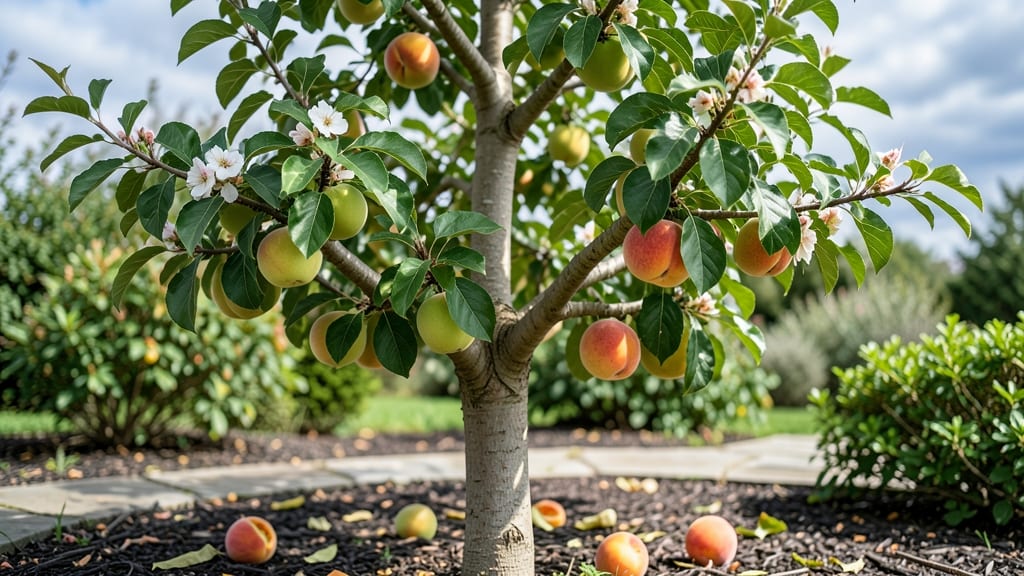
Contender peach trees thrive in USDA hardiness zones 5 through 9, tolerating winter lows down to -20°F (-29°C) with proper care. Cold hardiness improves with age, but young trees need winter protection in marginal zones.
Understanding a Contender peach tree's hardiness zone is key to its long-term success. 🌳 These trees handle cold snaps better than many peach varieties, thanks to their thick bark and deep root systems that insulate against freezing temperatures.
However, even with their resilience, young trees in zones 4 or 10 face extra challenges—either from late frosts or summer heat stress. The key is matching the tree's needs to your local climate while providing seasonal support to push those zone boundaries just a little further.
For gardeners in zone 5, the biggest threat comes in late spring when unexpected frosts can damage blossoms before they set fruit. Meanwhile, those in zone 9 must watch for summer heat waves that can stress the tree's growth.
The good news? With the right winter care—like proper mulching and protective wraps—you can safely grow Contender peaches even outside their ideal range. It's all about giving your tree the best possible start each season.
💡 In This Article
- How Contender Peach Trees Survive Cold Weather
- Winter Protection Strategies for Contender Peach Trees
How Contender peach trees survive cold weather
Contender peach trees rely on a combination of biological adaptations to endure winter's chill. Their thick, corky bark—up to 0.5 inches thick on mature trees—acts as a natural insulator, slowing heat loss and protecting the delicate cambium layer beneath.
This bark also contains high levels of suberin, a waxy substance that reduces water loss during cold snaps, much like how a well-insulated house retains warmth. 🌡️ The tree's root system extends deep into the soil, where temperatures remain more stable, often 10-15°F warmer than the surface.
Bud dormancy is another critical survival mechanism. Contender peaches enter a state where metabolic activity slows dramatically, allowing them to withstand temperatures down to -20°F (-29°C) without permanent damage. This dormancy isn't just about cold tolerance—it's also triggered by shorter daylight hours in fall, creating a synchronized response.
Interestingly, younger trees (under 3 years old) have less developed bark and root systems, making them more vulnerable to winterkill unless protected. The tree's ability to harden off—gradually acclimating to colder temperatures—begins in late summer and peaks by winter.
Zone boundaries matter because they reflect both average winter lows and the risk of secondary stresses. In zone 5, late spring frosts (occurring after buds swell) can devastate blossoms before they set fruit, while in zone 9, summer heat waves can stress the tree's energy reserves.
The USDA zone map accounts for average minimum temperatures, but microclimates—like a south-facing slope—can push a tree 1-2 zones harder.
For example, a Contender tree in zone 4 might survive winters if planted on a sunny hillside with proper protection, while one in zone 10 could struggle with summer heat unless given afternoon shade.
What most gardeners don't realize is how the tree's growth cycle affects its cold hardiness. Trees that experience a proper chilling period (300-700 hours below 45°F) during winter break dormancy more effectively in spring. Without adequate chill hours, Contender peaches may produce fewer flowers or poor-quality fruit.
This is why zone 9 gardeners sometimes need to use artificial chilling methods or select low-chill cultivars. The tree's ability to recover from winter damage also depends on soil moisture—dry soils in winter can exacerbate cold stress by making the tree more susceptible to desiccation.
Consider these key factors when evaluating your local climate:
- Bark thickness: Mature trees (5+ years) have 20-30% thicker bark than young trees, offering better insulation
- Root depth: Contender roots typically reach 3-5 feet deep, accessing warmer soil layers
- Chill hours: Most Contender varieties need 400-600 hours below 45°F annually
- Late frost risk: Zone 5 gardeners should monitor local frost dates—some areas experience 2-3 frost-free days after average last frost dates
The tree's survival strategy extends beyond just cold tolerance—it's about balancing energy reserves, growth cycles, and environmental cues. For instance, Contender peaches grown in zone 8 near the coast may handle winter better than those inland due to moderating ocean breezes, while inland trees might benefit from the "winter hardening" effect of colder nights. Understanding these nuances helps explain why some Contender trees thrive in zone 4 with protection while others struggle in zone 10 despite similar winter temperatures. 🌟
The bottom line? Contender peach trees are cold survivors because they've evolved to manage winter stress through multiple adaptive layers—bark insulation, root depth, dormancy cycles, and energy reserves. While they can handle -20°F (-29°C) with proper care, their success depends on matching these biological needs with your specific climate conditions.
This is why zone boundaries serve as guidelines rather than absolute limits—with the right knowledge and preparation, you can successfully grow Contender peaches well beyond their "official" hardiness range.