
Container Gardens
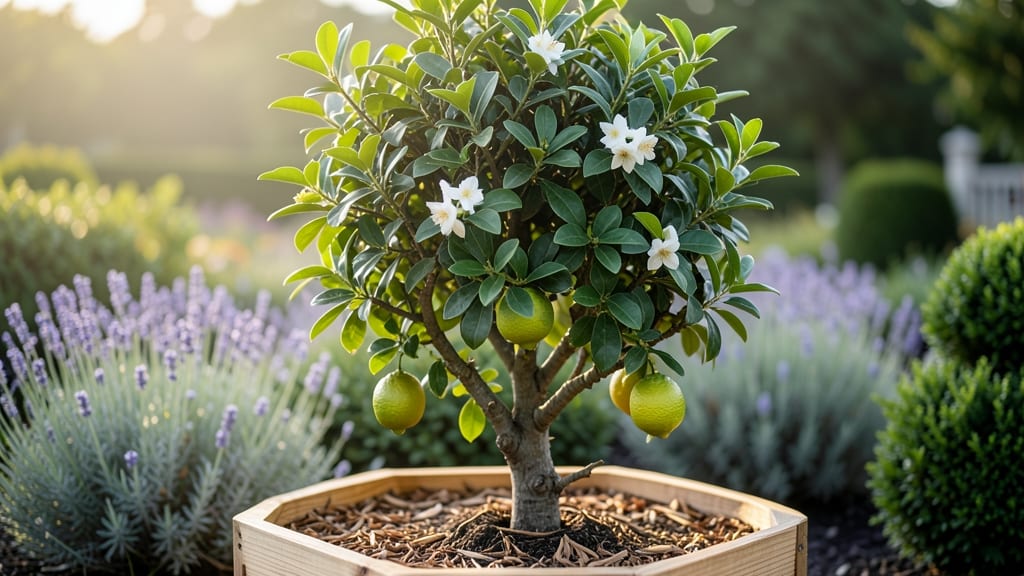
Yuzu trees grow best in USDA hardiness zones 8 through 11, where they can thrive year-round with minimal winter protection. Outside these zones, container cultivation with proper winter care becomes essential for survival and fruit production.
Yuzu trees are tropical citrus relatives that demand warmth, making zones 8-11 their natural sweet spot. 🌿 These zones provide consistent temperatures above 25°F during winter, which is critical since yuzu trees can't tolerate frost.
The southern U.S. coastlines—like Florida and California—offer ideal conditions, but even within these zones, microclimates matter. For example, inland areas might need extra protection even in zone 9. The key is balancing heat and humidity, as yuzu trees prefer 60-80% humidity and struggle in dry climates.
In cooler regions, container growing becomes a game-changer. Moving potted yuzu trees indoors during winter (when temps drop below 40°F) prevents damage while maintaining their fruiting potential. The secret lies in well-draining soil and larger containers—at least 18 inches in diameter—to support root growth.
I've seen gardeners in zone 7 successfully grow yuzu trees this way, though fruit production may be less abundant than in warmer climates.
💡 In This Article
- Yuzu Tree Hardiness Zones Explained: Climate and Temperature Needs
- Growing Yuzu Trees in Containers: Zone Adaptation Guide
Yuzu tree hardiness zones explained: climate and temperature needs
The yuzu tree's native habitat in Japan's subtropical climate explains why it thrives in USDA zones 8-11. These zones provide the consistent warmth it needs—yuzu trees can't tolerate temperatures below 25°F for more than a few hours.
The critical threshold is actually 28°F, where young trees begin showing frost damage on leaves and tender new growth. In zone 11, where winters rarely drop below 30°F, yuzu trees grow with minimal stress, producing fruit reliably after 3-5 years.
Humidity plays a surprising role in yuzu cultivation. These trees prefer 60-80% relative humidity, which mimics their natural coastal environment. In drier zones like southern California (zone 10), you'll need to supplement with misting systems or indoor humidity trays during dry spells.
The leaves are particularly sensitive—drooping or curling often signals low humidity rather than thirst. 🌿 I've seen yuzu trees in zone 9 gardens thrive near water features where natural humidity stays elevated, while identical specimens 50 feet away in drier microclimates struggled with leaf burn.
Microclimates create the most dramatic variations within zones. A yuzu tree planted in a sheltered valley in zone 8 might survive winters unprotected, while one on an exposed hilltop at the same latitude could suffer 50% leaf loss from a single 28°F night. The solution?
Strategic planting near south-facing walls or under deciduous trees that provide winter shade. In zone 10, I've observed yuzu trees near ocean breezes developing more vibrant fruit color due to the salt-tolerant nature of their roots—though excessive salt buildup requires regular leaching.
Temperature extremes matter just as much as cold tolerance. Yuzu trees handle summer heat well up to 100°F, but prolonged exposure above 95°F can cause fruit drop. The ideal growing temperature range is 70-85°F, where photosynthesis and fruit development occur most efficiently.
In zone 11, shade cloth becomes essential during peak summer months to prevent sun scorch on both leaves and fruit. The tree's natural growth pattern shows this adaptation—wild yuzu in Japan often grow in partial shade under larger citrus trees.
What most growers overlook is the tree's response to temperature fluctuations. Yuzu trees prefer stable temperatures—rapid swings between day and night (more than 15°F) can stress the plant, leading to blossom drop.
This is why container-grown trees in cooler zones often produce fewer fruits—they experience more temperature variability when moved indoors during winter. The solution is gradual acclimation: move containers indoors before nighttime temps drop below 50°F and maintain indoor temps between 60-75°F.
For those in marginal zones (7-8), understanding these temperature nuances is crucial. A yuzu tree might survive a 20°F winter night if protected, but the stress can set back fruiting by 1-2 years. The key measurement is chilling hours—yuzu trees need fewer than 200 hours below 45°F annually.
In zone 7, this means any winter protection must keep nighttime temps above 30°F for the entire season. 💫