
Pruning
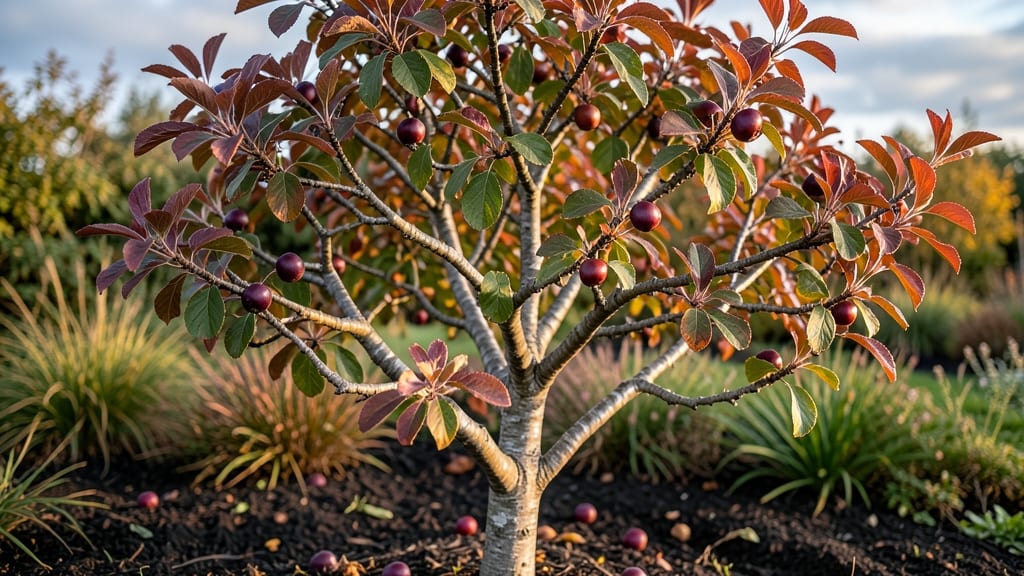
Fall is the perfect time to give your crabapple tree a health boost before winter—pruning now prevents winter damage and sets up next year's stunning blooms. 🌿 I learned the hard way that skipping this step means brittle branches snapping under snow, and those sharp thorns become a hazard.
The right cuts now mean fewer headaches later, plus you'll encourage stronger growth and better fruit production.
You'll need sharp pruning shears, rubbing alcohol to sterilize them between cuts, and a sturdy ladder if your tree is over 10 feet tall. Grab some twine to mark branches you're unsure about—it's easier to see the final shape when you step back.
The goal is to remove dead, crossing, or weak branches first, then thin out the canopy by 15-20% to improve airflow and sunlight penetration.
Start by removing any branches that rub together—they'll create wounds that attract pests. Next, cut back any suckers growing from the base or trunk. For larger branches, make clean cuts just outside the branch collar, and avoid leaving stubs.
You'll notice the tree's structure becomes more open, which reduces snow load and makes future pruning easier.
After pruning, rake up any fallen fruit and leaves to prevent pests and diseases from overwintering. A light application of compost around the base helps protect roots from freeze-thaw cycles.
With these steps, your crabapple will wake up in spring stronger than ever, ready to dazzle with blossoms and fruit.
📚 In This Guide
- What you need
- Instructions
- Tips and common mistakes
- Wrapping up and next steps
What you need
- ● Pruning shears: Bypass pruners (for small branches, ¼"–¾" thick) – 1 pair
- ● Loppers: Heavy-duty bypass loppers (for branches ¾"–2" thick) – 1 pair
- ● Pruning saw: Curved-tooth pruning saw (for branches 2"+ thick) – 1
- ● Ladder: Sturdy, extendable ladder (height depends on tree size) – 1
- ● Gloves: Heavy-duty gardening gloves (cut-resistant) – 1 pair
- ● Disinfectant: 70% isopropyl alcohol or bleach solution (1 part bleach to 9 parts water) – small spray bottle
- ● Heavy-duty trash bags: For collecting fallen branches and debris – 2-3
- ● Rake: Sturdy garden rake (for clearing leaves/debris) – 1
- ● Safety gear: Safety glasses, long sleeves, and closed-toe shoes – mandatory!
- ● Tree wound paint: (Controversial but useful for large cuts) – small bottle
- ● Extension pole pruners: For high branches without a ladder – 1
- ● Work gloves with grip: For extra comfort during long pruning sessions
- ● Notebook & pen: To jot down pruning notes or sketch a tree map
- ● Tree pruning rope: For stabilizing branches during removal
Step-by-step guide to pruning your crabapple tree for winter
Here's how I prepare my crabapple trees each fall—keeping them strong, healthy, and ready for winter's challenges.
✂️ Step 1: Remove Dead, Diseased, or Damaged Branches First
Start by scanning your tree for any branches that are clearly dead, diseased, or physically damaged. These are your top priority—they won't recover and can spread problems to healthy wood. Use sharp pruning shears to make clean cuts just outside the branch collar (the swollen area where the branch meets the trunk). Avoid leaving stubs, as they invite rot and pests.
I always work from the bottom up, removing the lowest branches first. This makes it easier to spot hidden problems higher in the canopy. If you're unsure whether a branch is dead, scratch the bark with your fingernail—live wood will be green underneath, while dead wood stays brown.
🌿 Step 2: Thin the Canopy for Better Airflow and Light
Next, focus on thinning the canopy to improve airflow and sunlight penetration. Look for branches that cross or rub against each other—they'll eventually create wounds that invite disease. Remove about 20-25% of the total canopy by selecting branches that are one-third the diameter of the trunk or smaller. This keeps the tree's natural shape while reducing winter stress.
I like to step back frequently to visualize the tree's structure. The goal is an open center that lets light reach the inner branches. Avoid cutting too much at once—this weakens the tree and stresses it before winter. If you're unsure which branches to remove, prioritize those growing inward or downward.
☀️ Step 3: Shape the Tree for Winter Wind Resistance
Now it's time to refine the tree's shape to help it withstand winter winds. Focus on reducing the weight of the outer branches by shortening them by one-third to one-half if they're overly long or top-heavy. Use loppers or a pruning saw for thicker branches, making cuts at a 45-degree angle just outside the branch collar.
Pay special attention to branches that grow straight up—these are more vulnerable to wind damage. You can also lightly shape the tree to encourage a more natural, balanced form. Just remember: never remove more than 25% of the total canopy in one season, especially in late fall when the tree is preparing for dormancy.
⏰ Step 4: Clean Up and Protect the Tree
After pruning, clean up all the debris from the ground beneath the tree. Dispose of diseased branches immediately in the trash (not your compost pile) to prevent the spread of pathogens. Sterilize your pruning tools with rubbing alcohol or a 10% bleach solution to kill any lingering bacteria or fungi.
Finally, consider applying a wound dressing to larger cuts (over ½ inch in diameter) to protect them from pests and disease. While some gardeners skip this step, I find it helps prevent winter rot, especially in areas with harsh winters. Water the tree deeply before the first hard frost to encourage root growth and prepare it for dormancy.
🌱 Step 5: Monitor and Plan for Next Season
Take a few minutes to note any areas that need extra attention next year. For example, if you notice a branch that's growing too close to the trunk or a spot where sunlight doesn't reach, mark it with flagging tape or a small stake. This helps you stay organized and ensures you don't miss anything during your next pruning session.
I also like to check the tree's overall health one last time before winter. Look for signs of pests, such as holes in the bark or sticky residue, and treat them early if you spot anything. With proper fall pruning, your crabapple tree will enter winter strong and bloom beautifully next spring.
Tips & tricks for pruning your crabapple tree this fall
These simple strategies will help you prune with confidence and keep your tree thriving through winter.
Tool Prep: Before you begin, sharpen your pruning shears and sterilize them with rubbing alcohol or a 10% bleach solution. Dull blades tear wood instead of making clean cuts, which slows healing and invites disease. I also keep a small bucket nearby to collect debris—this makes cleanup much easier after pruning.
Branch Selection: In Step 2, when thinning the canopy, prioritize removing branches that grow inward or downward. These are the ones that create dense, shaded areas where moisture lingers and disease thrives. Look for branches that are one-third the diameter of the trunk or smaller—these are ideal candidates for removal since they won't disrupt the tree's structure.
Cutting Technique: Always make your cuts at a 45-degree angle just outside the branch collar (the swollen area where the branch meets the trunk). This prevents water from pooling in the wound and promotes faster healing. For thicker branches, use loppers or a pruning saw—never use hedge trimmers, as they crush the wood and create jagged edges.
Season Timing: Late fall is the perfect time for this pruning because the tree is entering dormancy, so it won't experience the stress of bleeding sap. However, avoid pruning too close to winter's first hard frost—aim for at least 4-6 weeks before the ground freezes. This gives the tree time to seal its wounds before dormancy.
Pro Tips for Crabapple Tree Fall
- These simple strategies will help you prune with confidence and keep your tree thriving through winter.
- Tool Prep: Before you begin, sharpen your pruning shears and sterilize them with rubbing alcohol or a 10% bleach solution.
- Branch Selection: In Step 2, when thinning the canopy, prioritize removing branches that grow inward or downward.
Frequently asked questions
Got questions about crabapple tree fall pruning? You’re not alone!
Here are answers to the most common concerns—so you can tackle your tree with confidence this winter.
When is the best time to prune a crabapple tree in fall?
Prune your crabapple tree after leaves fall (late fall to early winter) but before harsh freezes. Aim for November–December in most regions. This timing minimizes stress, reduces disease risk, and lets the tree heal before spring. Avoid pruning too early—wet leaves can spread fungal spores!
Will pruning in fall harm my crabapple tree?
No, if done correctly! Fall pruning is safe for crabapples—as long as you avoid heavy cuts (limit to 20–25% of the canopy). Focus on removing dead, diseased, or crossing branches. Just skip pruning if your tree is already stressed (e.g., drought, pest damage) or in colder climates (Zone 3 and below).
Can I prune a young crabapple tree the same way?
Young trees (under 5 years) need light pruning—just remove dead wood, water sprouts, and branches growing toward the center. Avoid shaping aggressively; their bark is thin and prone to sun scald. For mature trees, structural pruning (thinning, raising the canopy) is key to airflow and fruit production.
How do I clean up after pruning to prevent disease?
Dispose of fallen branches and debris immediately—don’t compost them! Sterilize pruners with rubbing alcohol between cuts, and seal larger wounds with pruning sealant (optional but helpful for wounds >½ inch thick). Rake up leaves around the base to reduce fungal buildup. Pro tip: Water the root zone after pruning to help recovery!
What if my crabapple tree isn’t blooming after fall pruning?
Blooms may take 1–2 years to rebound after heavy pruning. Ensure your tree gets full sun (6+ hours/day) and well-draining soil. Over-pruning or poor timing (e.g., late fall freezes) can delay blooms. If no flowers appear by spring, check for pests (aphids, scale) or nutrient deficiencies—add compost or a balanced fertilizer in early spring.
Wrapping up and next steps
Crabapple trees reward your winter prep efforts with vibrant blooms, stronger branches, and fewer pests—all while keeping your yard looking its best. By following these pruning steps, you’ll ensure your tree stays healthy, resilient, and ready to shine when spring arrives. 🌳✨
Now that you’re armed with the right tools and techniques, take action this winter. Grab your pruners, mark those branches, and give your crabapple tree the TLC it deserves. Your future self—and your tree—will thank you!