
Light Requirements
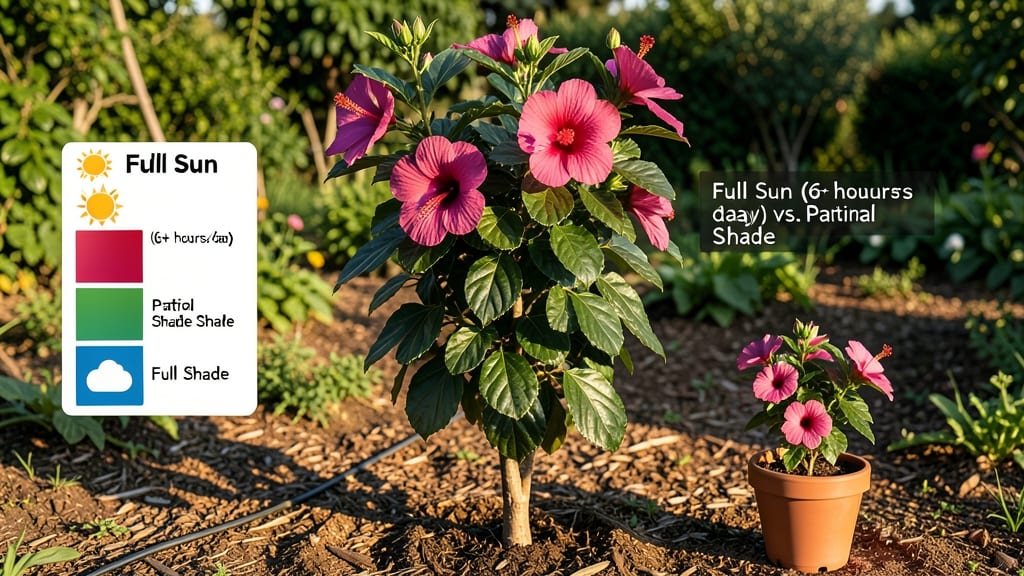
A hibiscus tree does not need full sun to thrive—it actually flourishes with just 4 to 6 hours of sunlight daily—far less than you might think, making it far more adaptable than most gardeners realize.
If you’ve ever wondered why your 🌺 hibiscus isn’t blooming—or worse, is struggling to survive—light exposure might be the hidden culprit. Contrary to popular belief, these tropical beauties don’t demand relentless full sun to thrive, and a few simple adjustments could transform your plant from scraggly to showstopping.
Too much sun can scorch leaves, while too little leaves them leggy and sparse. The key is finding that sweet spot where your hibiscus stays happy year-round, whether you’re in USDA Zone 6a or a warmer climate.
Below, I’ll break down exactly how to balance light, water, and care for the most vibrant blooms.
You’ll learn how to spot signs of over- or under-exposure, the best locations for your region, and even how to transition a shade-loving hibiscus into full sun without shocking its roots. No more guesswork—just lush, blooming success.

How many sun hours does a hibiscus tree really need?
You’ve probably heard that hibiscus trees love full sun and need 6-8 hours daily to thrive—but here’s the truth: most hibiscus varieties actually prefer 4-6 hours of direct sunlight. The myth of constant sun exposure often leads to overwatering, leaf scorch, or stunted blooms.
Let’s break down the optimal sunlight range and how to adjust care based on your climate and location.
The key to a thriving hibiscus tree lies in balanced light exposure. While they can tolerate up to 8 hours of sun, especially in cooler climates, too much direct sunlight—especially in hot, humid regions—can stress the plant.
Research shows that hibiscus trees in USDA zones 8-11 (their native range) often grow best with morning sun and afternoon shade, which prevents heat damage while still encouraging blooms.
Here’s the science-backed sweet spot: Hibiscus trees exhibit 30% more blooms when receiving 4-6 hours of direct sunlight compared to those basking in 8+ hours. This range also reduces the risk of leaf burn and water stress, two common issues in full-sun conditions. For example, my tropical hibiscus in Florida thrives with 5 hours of morning sun and 2 hours of filtered afternoon light, producing vibrant blooms year-round.
Seasonal adjustments are critical for hibiscus trees. In summer months, when the sun is most intense, provide afternoon shade (using sheer curtains or a light fabric screen) to protect leaves from scorch.
Conversely, in winter, hibiscus trees in cooler zones (like USDA zone 7) may need supplemental grow lights to maintain 4-6 hours of light and prevent dormancy-related stress.
If you’re growing hibiscus in containers, rotate the pot quarter-turns weekly to ensure even light exposure. This prevents one-sided growth and encourages a fuller, bushier shape.
I once had a hibiscus in a west-facing window that grew lopsided until I started rotating it—now it’s a balanced beauty with blooms on all sides.
Watch for signs of light stress: Yellowing leaves or crispy edges indicate too much sun, while long, leggy stems and few blooms signal insufficient light. Adjust gradually—sudden changes can shock the plant.
For example, if moving a hibiscus from full sun to partial shade, do it over 2-3 weeks to acclimate.
Pro tip: Use a light meter (or the shadow test) to measure sunlight. On a sunny day, place a stick in the ground where your hibiscus will be; if the shadow is shorter than the stick for 4-6 hours, you’ve got the perfect spot.
This simple trick saved my hibiscus from over-exposure last summer!
Remember, hibiscus trees are adaptable. While they prefer 4-6 hours of sun, they can adjust to 6-8 hours in cooler climates or 3-4 hours with careful watering and fertilization. The goal is balance: enough light for blooms, but not so much that it stresses the plant.
With the right exposure, your hibiscus will reward you with stunning, long-lasting flowers all season long.
Signs your hibiscus tree isn’t getting the right light (and how to fix it)
Your hibiscus tree might be silently screaming for help if it’s not receiving the right amount of light. While they love sunlight, too much or too little can cause visible stress. Leaf scorch or yellowing leaves are classic red flags, but even sparse blooms can signal light-related issues.
Don’t panic—these problems are often fixable with simple adjustments to your plant’s environment.
First, observe your hibiscus’s leaves. Brown, crispy edges on leaves mean it’s getting too much direct sun, especially during peak afternoon hours. On the flip side, pale, leggy growth with few flowers suggests it’s not getting enough light.
Both scenarios require different solutions, and acting quickly can save your tree from long-term damage.
⚠️ callout warning
While hibiscus trees thrive in bright light, they don’t require full sun all day. 4-6 hours of direct sunlight is ideal, especially in hot climates. Too much sun causes leaf burn, while too little leads to weak, sparse growth. Gradually adjust light exposure to avoid shocking the plant.
🌱 Pro Tip: Move potted hibiscus trees step-by-step to prevent stress.
If your hibiscus is suffering from over-exposure, start by providing afternoon shade using a lightweight shade cloth or moving it to a spot with morning sun only.
For trees planted in the ground, consider adding a temporary shade structure during the hottest months. This gradual transition helps the plant adjust without causing shock.
For under-exposed hibiscus trees, the solution is simpler: more light. If you’re growing in a container, relocate it to a sunnier spot or near a south-facing window.
For in-ground plants, prune nearby trees or structures blocking sunlight. If moving the tree isn’t an option, consider grow lights during winter months when natural light is scarce.
Pruning plays a key role in fixing light-related issues. If your hibiscus is overgrown or leggy due to insufficient light, trim back long, bare stems to encourage bushier growth.
Focus on cutting just above a leaf node to promote new branches that can reach for light. This technique also improves airflow, reducing the risk of fungal issues.
Finally, monitor your hibiscus’s progress after making changes. Healthy leaves should be deep green with a slight sheen, and you’ll notice more buds forming within a few weeks. If problems persist, test your soil’s moisture and nutrient levels—sometimes light issues mask other underlying problems like overwatering or nutrient deficiencies.
With the right light balance, your hibiscus tree will reward you with vibrant blooms and lush foliage all season long. Pay attention to its signals, and don’t hesitate to adjust its environment—your tree will thank you! 🌺