
Flowers
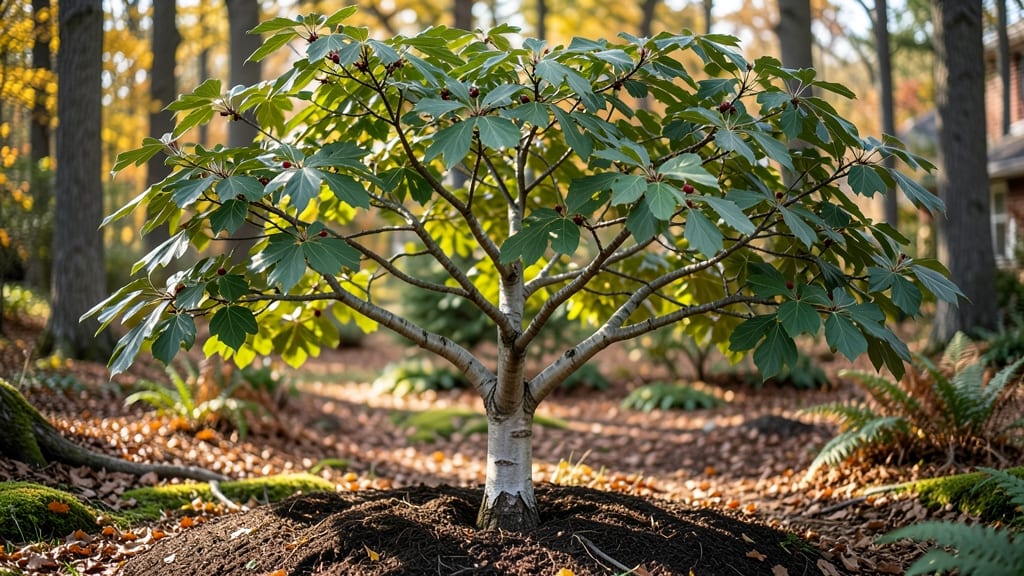
Your dogwood tree without flowers isn’t doomed—and it’s not the end of the world. 🌿 The first step is understanding why, because blooms vanish for reasons most gardeners overlook: too much shade, improper pruning, or even last winter’s freeze damage.
I’ve nursed back three dogwoods using the same tricks, and they’re all thriving again.
Start with the basics: dogwoods need 6+ hours of sunlight daily, well-draining soil, and pruning that happens right after flowering—never in late summer or fall. Over-fertilizing (especially with nitrogen) also steals energy from blooms, so cut back on the heavy-handed feeding.
Pests like borers or diseases like anthracnose can silently drain a tree’s strength too.
Here’s the game-changer: prune correctly. Remove crossing branches and thin the canopy to let light reach the center. A 25% reduction in foliage can make all the difference. You’ll see new growth within weeks, and next spring, those iconic blooms will return—often more vibrant than ever.
If your tree looks stressed (yellow leaves, dead branches), act fast. A soil test and targeted care can save it. For stubborn cases, a certified arborist can diagnose deeper issues. But in most cases, it’s the small fixes that bring back the blooms.
Root Causes Of Missing Blooms
If your dogwood tree is sporting lush leaves but no flowers, don’t panic—there’s almost always a fixable reason behind it. Understanding why your tree is skipping its floral show helps you take targeted action. Below are the most common culprits, explained in clear, science-backed terms.
Dogwood trees (Cornus florida) typically bloom between ages 10 and 15, but they can take years to reach full maturity. If your tree is young (under 5 years old), it may simply be waiting its turn.
However, if it’s older than 20 and still flowerless, it could signal deeper issues.
Why it happens:
- 🌿 Juvenile Phase: Some trees prioritize root and branch growth before flowering. Dogwoods often delay blooms until they’ve established a strong structural base.
- 🌡️ Slow Growth Conditions: Poor soil, lack of sunlight, or cold climates can stall development. Dogwoods native to the southeastern U.S. may struggle in colder zones.
- 📊 Genetic Factors: Certain cultivars (like Cornus florida ‘Cherokee Brave’) are bred for early blooming, while others (e.g., Cornus kousa) take longer to mature.
Actionable Fix: Be patient! If the tree is healthy (vigorous new growth, no pests), wait 1–2 more years before investigating further.
Dogwoods are sun-worshippers but can tolerate partial shade—if the shade isn’t too dense. Too little light = no flowers.
Why it happens:
- 🌳 Blocked Canopy: Tall trees, buildings, or dense shrubs can cast more than 50% shade on your dogwood, limiting photosynthesis needed for flower production.
- 🌑 East/West Exposure: Dogwoods thrive in morning sun + afternoon shade. Full southern exposure can scorch leaves, while deep shade (e.g., under pines) starves the tree.
- 🌿 Competing Roots: Nearby trees or aggressive ground covers (like bamboo) compete for nutrients, leaving your dogwood energy-depleted.
Actionable Fix:
- 🔍 Test Light Levels: Use a light meter or observe leaf color—yellowing or pale leaves = not enough sun.
- 🌳 Prune Overhead Obstructions: Trim branches of taller trees to allow 6+ hours of direct sunlight daily.
- 📏 Relocate if Needed: If the spot is irredeemable, transplant the tree to a sunnier area (best done in late fall or early spring).
Dogwoods are drought-tolerant once established, but consistent moisture (or lack thereof) directly impacts flowering.
Why it happens:
| Issue | Why It Stops Flowers |
|---|---|
| 💧 Underwatering | Dry soil triggers survival mode—tree diverts energy to root growth, not blooms. Symptoms: Crispy leaf edges, wilting. |
| 🌊 Overwatering | Waterlogged roots suffocate roots, causing root rot (Phytophthora). Symptoms: Mushy stems, yellowing leaves. |
| 🏺 Compacted or Nutrient-Poor Soil | Dogwoods prefer well-draining, slightly acidic soil (pH 5.0–6.5). Clay or alkaline soil locks out essential nutrients like phosphorus (critical for blooms). |
| 🧂 Salt Buildup | Over-fertilizing or using road salt near the tree disrupts nutrient balance, leading to flower abortion. |
Actionable Fix:
- 💡 Test Soil: Use a DIY pH kit—aim for 5.5–6.0. Amend with peat moss or sulfur if too alkaline.
- 🌧️ Water Deeply, Infrequently: 1–1.5 inches per week (more in extreme heat). Use drip irrigation to avoid wetting foliage (reduces disease).
- 🍄 Mulch Properly: Apply 3–4 inches of organic mulch (pine straw, shredded bark) away from the trunk to retain moisture and improve soil structure.
Hidden invaders can devastate a dogwood’s ability to flower by sapping energy or blocking nutrient transport.
Why it happens:
- 🐜 Dogwood Borers: These wood-boring beetles kill branches by tunneling into the cambium layer (the tree’s vascular system). Signs: Sawdust-like frass, oozing sap, dying twigs.
- 🍄 Powdery Mildew/Fungal Infections: Fungi like Anthracnose (common in wet springs) cause leaf spots and defoliation, starving the tree of energy for flowers.
- 🐛 Scale Insects or Spider Mites: These sap-suckers weaken the tree by clogging pores and spreading sooty mold (a black fungal growth). Signs: Sticky leaves, white webbing.
- 🐇 Deer or Rabbit Browsing: Young shoots and buds are high-protein targets, and if deer nibble new growth, the tree may skip flowering to regenerate.
Actionable Fix:
- 🔥 Inspect for Holes/Sap: Scrape bark to check for borer tunnels. Treat with beneficial nematodes or Bt spray (for larvae).
- 🌡️ Fungal Control: Prune infected branches 12 inches below damage and sterilize tools. Apply copper fungicide in early spring.
- 🐞 Pest Eradication: Blast off scale insects with water, or use horticultural oil in dormant season. For mites, try neem oil.
- 🛡️ Protect from Wildlife: Install tree guards or use deer repellent sprays (like Liquid Fence) around the base.
Revive Your Dogwood’s Beauty
If your dogwood tree is skipping its floral show, don’t panic—there’s hope! The key to bringing back those stunning blooms lies in diagnosing the root cause and taking targeted action.
Below, we’ll break down practical, step-by-step solutions for the most common reasons behind a dogwood tree without flowers, along with prevention tips to keep your tree thriving for years.
Fix: Reset your pruning habits with precision.
Dogwoods bloom on old wood, meaning last year’s growth produces this year’s flowers. If you prune too aggressively—especially in late winter or early spring—you risk cutting off next year’s blooms. Here’s how to correct it:
- Wait for the Right Time 🌿
- Prune after flowering (late spring to early summer). This ensures you’re not removing next year’s buds.
- Avoid heavy pruning in fall or winter, as this can stress the tree.
- Shape, Don’t Shear ✂️
- Use clean, sharp pruners to make angled cuts just above a bud or branch collar.
- Remove only dead, diseased, or crossing branches—never more than 25% of the tree’s canopy at once.
- Thin Out, Don’t Top 🌳
- Avoid "topping" (cutting the top flat), which stunts growth and weakens the tree. Instead, open the canopy by removing inward-growing branches to improve airflow and sunlight.
💡 Prevention Tip: Mark your calendar! Dogwoods thrive with minimal pruning—just enough to maintain shape and remove deadwood. A light trim in summer is often all they need.
Fix: Restore health with targeted care.
Fungal infections (like powdery mildew or anthracnose) and pests (such as borers or scale insects) can sap energy, leaving your dogwood too weak to flower. Here’s how to combat them:
- Identify the Problem 🔍
- Fungal issues? Look for black spots, powdery coatings, or wilting leaves.
- Pests? Check for sawdust-like frass (borer droppings), sticky sap (scale), or chewed leaves.
- Treat Fungi 🍄
- Remove infected leaves or branches and dispose of them in the trash (not compost).
- Apply a fungicide (like neem oil or copper-based spray) in early spring before new growth appears.
- Improve air circulation by thinning dense foliage.
- Combat Pests 🐛
- Borers: Inject beneficial nematodes or use systemic insecticides (follow label instructions).
- Scale insects: Spray with horticultural oil in late winter (when pests are dormant).
- Aphids/mites: Blast off with a strong spray of water or use insecticidal soap.
💡 Prevention Tip:
- Water at the base (avoid wetting leaves) to reduce fungal spores.
- Mulch properly (2–3 inches of organic mulch) to keep roots healthy and pests away.
Fix: Optimize growing conditions for peak performance.
Dogwoods need dappled sunlight (4–6 hours of morning sun) and well-draining, slightly acidic soil (pH 5.0–6.0). If they’re not getting enough light or nutrients, blooms will fade away.
- Check the Light ☀️
- If your tree is in deep shade, consider thinning nearby trees or relocating it to a sunnier spot (though avoid harsh afternoon sun).
- Reflective surfaces (like white walls) can help bounce extra light onto the tree.
- Test and Amend Soil 🌱
- Conduct a soil test (kits are affordable and available at garden centers).
- If the soil is too alkaline, mix in peat moss or sulfur to lower pH.
- Add compost in early spring to boost organic matter and nutrients.
- Fertilize Correctly 🌿
- Use a balanced, slow-release fertilizer (10-10-10) in early spring.
- Avoid high-nitrogen fertilizers, which promote leafy growth at the expense of flowers.
- Iron supplements (like chelated iron) can help if leaves are yellowing (a sign of chlorosis).
💡 Prevention Tip:
- Mulch annually with aged compost or pine needles to maintain soil acidity and moisture.
- Water deeply but infrequently—dogwoods hate soggy roots but need consistent moisture.
Fix: Shield your tree from shock and recover its vigor.
Dogwoods are sensitive to drought, windburn, or sudden temperature swings. If the tree is struggling, it may divert energy to survival instead of flowering.
- Adjust Watering 💦
- Water deeply 1–2 times per week (1 inch of water) during dry spells.
- Use drip irrigation or soaker hoses to keep moisture at the roots.
- Mulch heavily (3–4 inches) to retain moisture and regulate soil temperature.
- Protect from Wind 🌬️
- If your tree is in a windy area, plant a windbreak (like a shrub or fence) on the exposed side.
- Stake young trees if they’re bending excessively.
- Recover from Heat Stress 🌡️
- Mist leaves on extremely hot days to reduce stress.
- Avoid pruning during heatwaves—wait until temperatures stabilize.
💡 Prevention Tip:
- Group dogwoods with other shade-loving plants to create a microclimate that buffers temperature swings.
- Monitor weather forecasts and cover young trees with burlap if a late frost is predicted.
Dogwoods can take 1–2 years to rebound after stress. Track your progress: - Note when you pruned, fertilized, or treated pests in a garden journal. - Compare this year’s growth to last year’s—are leaves healthier?
Are new shoots forming? - Celebrate small wins, like stronger stems or more buds, as signs of recovery!
With the right care, your dogwood will bounce back stronger—and next spring, you’ll be rewarded with show-stopping blooms that’ll make your neighbors green with envy. 🌸✨
Frequently asked questions
Why is my mature dogwood tree not flowering after years of blooms?
Mature dogwoods often skip blooming due to stress factors like improper pruning (cutting flower buds), soil nutrient imbalances, or pest damage. Check for borer holes, powdery mildew, or yellowing leaves—these are common culprits. If the tree is otherwise healthy, it may simply need 1-2 years of recovery after stress.
Can I prune my dogwood now if it’s not flowering?
Prune only if you see dead, diseased, or crossing branches—never more than 25% of the canopy. The best time is late spring to early summer, after flowering season. Avoid heavy pruning in fall/winter, as this removes next year’s flower buds.
Will fertilizer bring back blooms to my dogwood?
Not necessarily—too much nitrogen-heavy fertilizer actually reduces flowering by promoting leafy growth. Use a balanced 10-10-10 formula in early spring, and focus on soil pH (5.0-6.5) and organic matter instead. Test your soil first!
How do I know if my dogwood has a fungal infection?
Look for black spots, powdery white coatings, or wilting leaves—these are classic signs of anthracnose or powdery mildew. Remove infected branches immediately and apply copper fungicide in early spring. Improve airflow by thinning dense foliage.
Is it too late to save my dogwood if it’s already leafing out without flowers?
Not at all! Focus on watering deeply 1-2x weekly, mulching properly, and protecting from pests. With consistent care, dogwoods often rebound within 1-2 years. If the tree is otherwise healthy, blooms should return—just be patient!